

What is Silane Agent
A silane agent is a chemical compound that contains silicon atoms bonded to organic groups. Silanes are used as coupling agents to improve the adhesion between inorganic materials, such as glass, ceramics, and metals, and organic polymers, such as plastics and rubbers.
Why Choose Us
Team
Our company has a professional management team engaged in scientific research, safety production, quality control, and sales operations
Production Line
We have highly automated production lines and international standard research and development facilities
Security Management
We emphasize safety and environmental management
Our Product
Degreaser;Metal cleaning agent; Antirust agent;Phosphating agent;Silane agent;Cutting solution;Copper blackening agent;Iron rusting agent.
-
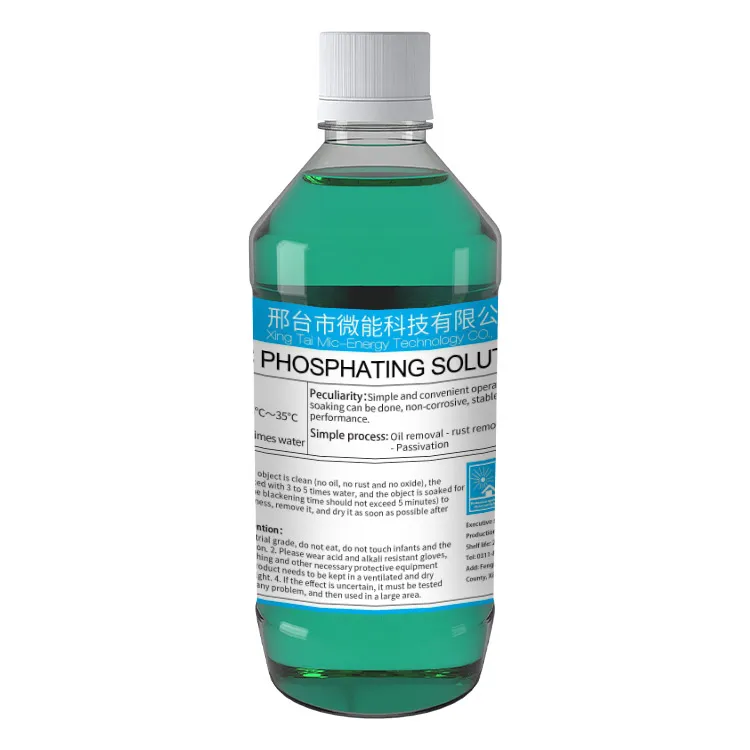
![Silane Agent for Steel]() Silane Agent for SteelProduct name:Silane Agent . Label:Custom. Certification:MSDS. MOQ:100ml. Sample:free sample can be sent to check qualityread more
Silane Agent for SteelProduct name:Silane Agent . Label:Custom. Certification:MSDS. MOQ:100ml. Sample:free sample can be sent to check qualityread more -
![Best Metal Silane Agent for Steel]() Best Metal Silane Agent for SteelProduct name:Silane Agent . Label:Custom. Certification:MSDS. MOQ:100ml. Sample:free sample can be sent to check qualityread more
Best Metal Silane Agent for SteelProduct name:Silane Agent . Label:Custom. Certification:MSDS. MOQ:100ml. Sample:free sample can be sent to check qualityread more -
![Best Metal Silane Agent]() Best Metal Silane AgentProduct name:Silane Agent . Label:Custom. Certification:MSDS. MOQ:100ml. Sample:free sample can be sent to check qualityread more
Best Metal Silane AgentProduct name:Silane Agent . Label:Custom. Certification:MSDS. MOQ:100ml. Sample:free sample can be sent to check qualityread more -
![Silane Agent for Aluminum]() Silane Agent for AluminumProduct name:Silane Agent . Label:Custom. Certification:MSDS. MOQ:100ml. Sample:free sample can be sent to check qualityread more
Silane Agent for AluminumProduct name:Silane Agent . Label:Custom. Certification:MSDS. MOQ:100ml. Sample:free sample can be sent to check qualityread more -
![Best Silane Agent Powder]() Best Silane Agent PowderProduct name:Silane Agent . Label:Custom. Certification:MSDS. MOQ:100ml. Sample:free sample can be sent to check qualityread more
Best Silane Agent PowderProduct name:Silane Agent . Label:Custom. Certification:MSDS. MOQ:100ml. Sample:free sample can be sent to check qualityread more


And What Are They Used For Silane Agent


As a coupling agent in coatings to enhance adhesion to substrates
Silane coupling agents are popular coating additives that are used in various sectors. Their application can enhance the quality of coatings, bring unique roles, and minimize product expenses. Silanes have unique structural compositions that make them the best in the coating sector. The compound can be applied as an additive or a separate primer to deliver high-quality performance.
Adhesives and grouts
In the construction sector, silanes are used in polysulfide and polyurethane as Caulks and Sealants, eliminating the need for a separate primer. The compound can be used on mortar, brick, wood, and other materials to create a waterproof layer. Furthermore, salines help to prevent harmful effects of moisture like rusting. The adhesive property makes the compound ideal in areas that experience flooding and other rain destructions. Also, the adhesive features allow silane to create durable bonds between mortar and masonry materials when joined together.
Fiberglass
Silane coupling agents are an essential element of glass-reinforced thermoset or thermoplastic materials. The chemical helps to enhance the bonding between the reinforcing fillers and the polymer matrix. It’s vital to treat the surface of the glass with saline to prevent water from seeping into the interface between glass fibres and the polymer materials. Some benefits of using a saline coupling agent on fibreglass include stabilizing electrical elements and enhancing the processing qualities of thermally insulating glass fibres.
Adhesion improvement in epoxy, polyurethane, and acrylic
Many concrete sealers used in waterborne environments, such as epoxy, polyurethane, and acrylic, are prone to water damage over time. Salines are high-quality chemicals and water repellents that can improve the strength of the sealers mentioned above. It’s durable and can withstand harsh environments, making it an ideal choice to enhance other sealants. Adding saline to these sealers boosts their strength and can last for many years.
Used to improve epoxy-based encapsulating materials
Saline unites with inorganic substrates to deliver a compelling damp and dry bonding. The chemical bonds well in epoxy-based enclosing materials. This results in the enhancement of adhesion between balm and fillers. Saline also helps epoxy encapsulation units via its improved safety incorporated circuits, shielding them from water damage or corrosion.
One of the applicable properties of Silane Agent is its ability to form strong chemical bonds with other materials. This makes it an excellent choice for use as an adhesive or sealant because it can form strong bonds with a wide variety of substrates, including metals, plastics, glass, ceramics, and even wood.
Silane Agent also has excellent thermal stability, meaning that it can withstand high temperatures without losing its adhesive properties. Additionally, silane is resistant to water and other solvents, making it suitable for use in environments where moisture may be present.
Durability is another of Silane Agent characteristics. It will not degrade when exposed to UV radiation or extreme temperatures. This makes silane ideal for outdoor applications where the adhesive or sealant must be able to withstand harsh environmental conditions without losing its effectiveness. Additionally, silane does not shrink or swell when exposed to moisture or temperature changes, making it ideal for applications where dimensional stability is important.
Silane Agent also has good electrical insulation properties. This means that it can be used as an insulator between two components in an electrical circuit without compromising the circuit’s performance. Additionally, silane has low vapor pressure, which makes it suitable for use in vacuum systems where outgassing must be minimized.
Finally, Silane Agent has excellent adhesion properties, which make it an ideal choice for use as an adhesive or sealant. Silane Agent forms strong chemical bonds with a variety of substrates and does not require primers or activators before application as some other adhesives do. Additionally, Silane Agent adhesives are often more cost-effective than other types of adhesives due to their low material costs and easy application process.
Functions of Silane Agent
Once Silane Agent is grafted to main polymer chain, it can connect polymer molecule together by forming siloxane bond, and then produce a three-dimensional reticular structure. This kind of crosslinking is activated by surrounding moist, and this kind of activity can be conducted at room temperature. Silane Agent can provide better thermal stability, creep resistance, hardness and chemical resistance for coating, adhesive, sealant and composite materials.
Silane Agent can provide better adhesion of substrate for adhesive, sealant and coating, especially under hot and humid conditions. Silane is usually used for improving adhesion of glass, mineral and metal, and has good effect on tricky base materials, such as polyamide, SMC, acrylic resin, PVC, etc.
Silane Agent can couple inorganic pigment, packing and organic resin. Coupling usually enhances moisture resistivity and chemical resistance of coating, adhesive or composite materials.
Silane Agent contributes to dispersion of coating, inorganic pigment and packing of sealant. Better dispersion usually can lead to lower viscosity of finished products, higher adhesive rate of pigment and packing, and improve covering power of coating.
Protectant Of Silane Agent
Silane protective agent is a chemical protective agent widely used in various fields.
It effectively protects the surface of the target object from erosion and damage by the external environment by forming a layer of wear-resistant, acid-alkali-resistant, and high-temperature-resistant silane polymer film on the surface.
It has many advantages, such as durability, anti-pollution, anti-corrosion and aesthetic properties, and is widely used in fields such as building materials, automobiles, electronic products and textiles.
First of all, silane protective agents play an important role in the field of building materials.
In construction, various building materials such as brick walls and concrete walls are susceptible to erosion by the atmosphere, moisture and pollutants.
The application of silane protective agent can form a transparent film, effectively blocking external erosion and extending the service life of the building.
In addition, silane protective agents can also improve the durability and aesthetics of building materials, effectively reducing building maintenance and repair costs.
Secondly, silane protective agents also play an important protective role in the automotive field.
In the car manufacturing process, the use of silane protective agents can form a hard protective film on the car surface, which can effectively block the erosion of car paint by acid rain, ultraviolet rays and chemicals, and extend the life and gloss of the car's appearance.
In addition, silane protective agents also have temperature resistance and can remain stable at high temperatures, playing an important role in protecting vehicle engines and components.
In addition, silane protective agents also have important application value in the field of electronic products.
As electronic products continue to evolve, their surfaces are susceptible to damage from fingerprints, scratches, and chemicals.
The application of silane protective agents can effectively protect the surface of electronic products from damage and pollution, and improve the durability and reliability of electronic products.
At the same time, silane protective agents also have high temperature stability and can play a good protective role in the working process of electronic products.
In addition, silane protective agents are also widely used in the field of textiles.
Textiles are easily affected by factors such as pollution, washing, and friction during use, which can lead to problems such as color fading, pilling, and deformation.
By coating the surface of textiles with silane protective agents, a protective film can be formed to improve the washing resistance, wear resistance and pollution resistance of textiles, and extend the service life of textiles.
As a chemical protective agent, silane protective agent is widely used in fields such as building materials, automobiles, electronic products and textiles.
Its application can effectively protect the surface of the target object from erosion and damage from the external environment, and improve the durability, aesthetics and reliability of the material.
In the future, with the advancement of science and technology, silane protective agents will continue to be improved and innovated to provide better protection solutions for various fields.
Safety analysis of Silane Agent

Storage and transportation
Silane should be stored in sealed containers to prevent leakage; fire and explosion-proof measures should be taken during transportation to avoid contact with other chemicals.

Use
When using silane, you should wear protective equipment, such as hard hats, gloves, and glasses, and provide adequate ventilation to reduce its harm to the human body.

Disposal of waste
Silane should be safely disposed of by professional disposal agencies to avoid environmental pollution.
Main Components And Characteristics Of Silane Agent
The main components of Silane Agent surface treatment agents include silicone prepolymers, silanol, silane and organic modifiers. The complex chemical structure produced by the reaction mixture of these ingredients gives the silane surface treatment agent unique characteristics, which are mainly reflected in the following aspects:
Wettability - Silane Agent surface treatment agents can significantly improve the wettability of the material surface and form a smaller contact angle, making it difficult for water droplets to form, thereby improving the waterproofness and stain resistance of the material surface.
Wear resistance - Silane surface treatment agents can increase the hardness and wear resistance of the material surface while maintaining the softness and elasticity of the material, allowing the material to be used for a long time under harsh conditions and improving the service life and stability of the material. .
Stability - Silane Agent surface treatment agents have excellent chemical stability and can maintain their characteristics under harsh conditions such as high temperature and high humidity, allowing them to be used in various special environments.
Transparency - Silane Agent surface treatment agents can maintain the transparency of the material surface without affecting its original color, gloss, transparency and other characteristics.
Preparation Process Of Silane Agent Surface Treatment
Silane Agent surface treatment agent is a common organosilicon compound, mainly used to improve the wettability, wettability and water resistance of material surfaces, and can be used in many fields. The preparation process of silane surface treatment agent is relatively Silane Agent. The main production processes include:
Preparation of precursors
Synthesis of Silane Agent monomers or organosilicon cross-linking agents, which can be synthesized using raw materials such as hydrogenated silane, organosilane or siloxane.
Reaction mixing
React and mix the precursor with the organic modifier, and other additives may need to be added according to different application fields.
Reaction heat treatment
Heat treatment of the reaction mixture, usually using high temperature or ultraviolet radiation.
Purification, ion exchange and stability evaluation
Purification, ion exchange and stability evaluation of the reaction product are carried out to ensure its quality and stability.
Select the appropriate type of silane surface treatment agent based on the plastic type and processing conditions;
Master the correct concentration of treatment agent. Too much or too little will affect the effect;
Reasonably control the plastic processing temperature and processing pressure to avoid affecting the stability and modification effect of the silane surface treatment agent;
Silane surface treatment agents are sensitive to the environment, and it is necessary to avoid environmental pollution during application;
When using silane surface treatment agents, it must be operated in accordance with relevant regulations and standards to ensure safety and effectiveness.
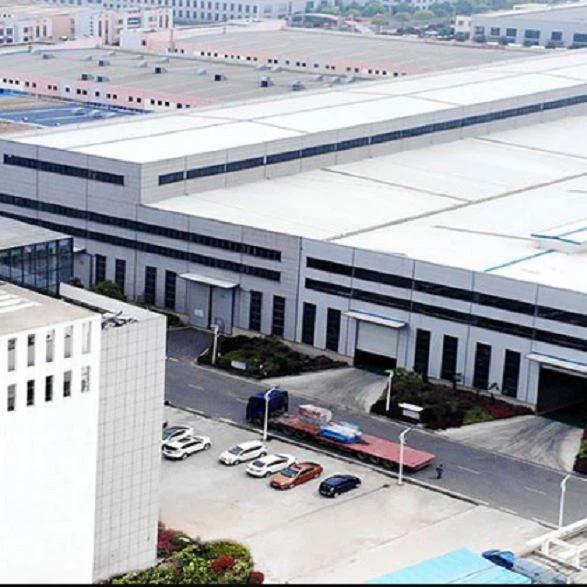
Our company was founded in 2014, with its headquarter located in XingTai. Our company is operated by a professional management team specialized in scientific research ,safe production,quality control and sales operation.We have highly automatic production lines and R&D facilities of international standard we emphasizes safety & environment protect management ,precise process control and quality supervision according to SHEQ standards (lSO9001/ISO14001/OHSAS18001).We also stick to sustainable development with social responsibilities so as to in prove the core competitiveness.Also, we have a trading company, Our sales team is consisted of up to 30 elites of high professionalism, providing our clients first-class service of high efficiency.
FAQ
As one of the leading silane agent manufacturers and suppliers in China, we warmly welcome you to wholesale bulk high quality silane agent in stock here from our factory. Contact us for free sample.
silane boiling point, silane result, silane permit