

What is Antirust Agent
An antirust agent, also known as a rust inhibitor or corrosion inhibitor, is a substance that is applied to metals to protect them from corrosion, particularly rust formation. Corrosion is a natural process that occurs when metals react with their environment, leading to deterioration and weakening of the material.
Why Choose Us
Team
Our company has a professional management team engaged in scientific research, safety production, quality control, and sales operations
Production Line
We have highly automated production lines and international standard research and development facilities
Security Management
We emphasize safety and environmental management
Our Product
Degreaser;Metal cleaning agent; Antirust agent;Phosphating agent;Silane agent;Cutting solution;Copper blackening agent;Iron rusting agent.
-
![Copper Antirust Agent]() Copper Antirust AgentProduct name:Anti rust oil . Usage:Anti rust. Label:Custom. Certification:MSDS. MOQ:100ml. Sample:free sample can be sent to check qualityread more
Copper Antirust AgentProduct name:Anti rust oil . Usage:Anti rust. Label:Custom. Certification:MSDS. MOQ:100ml. Sample:free sample can be sent to check qualityread more -
![Antirust Agent for Steel Metal]() Antirust Agent for Steel MetalProduct name:Anti rust oil . Usage:Anti rust. Label:Custom. Certification:MSDS. MOQ:100ml. Sample:free sample can be sent to check qualityread more
Antirust Agent for Steel MetalProduct name:Anti rust oil . Usage:Anti rust. Label:Custom. Certification:MSDS. MOQ:100ml. Sample:free sample can be sent to check qualityread more -
![Steel Antirust Agent Paint]() Steel Antirust Agent PaintProduct name:Anti rust oil . Usage:Anti rust. Label:Custom. Certification:MSDS. MOQ:100ml. Sample:free sample can be sent to check qualityread more
Steel Antirust Agent PaintProduct name:Anti rust oil . Usage:Anti rust. Label:Custom. Certification:MSDS. MOQ:100ml. Sample:free sample can be sent to check qualityread more -
![Best Antirust Agent for Aluminum Metal]() Best Antirust Agent for Aluminum MetalProduct name:Anti rust oil . Usage:Anti rust. Label:Custom. Certification:MSDS. MOQ:100ml. Sample:free sample can be sent to check qualityread more
Best Antirust Agent for Aluminum MetalProduct name:Anti rust oil . Usage:Anti rust. Label:Custom. Certification:MSDS. MOQ:100ml. Sample:free sample can be sent to check qualityread more -
![Heavy Duty Antirust Agent for Aluminum]() Heavy Duty Antirust Agent for AluminumProduct name:Anti rust oil . Usage:Anti rust. Label:Custom. Certification:MSDS. MOQ:100ml. Sample:free sample can be sent to check qualityread more
Heavy Duty Antirust Agent for AluminumProduct name:Anti rust oil . Usage:Anti rust. Label:Custom. Certification:MSDS. MOQ:100ml. Sample:free sample can be sent to check qualityread more -
![Copper Antirust Agent]() Copper Antirust AgentProduct name:Anti rust oil . Usage:Anti rust. Label:Custom. Certification:MSDS. MOQ:100ml. Sample:free sample can be sent to check qualityread more
Copper Antirust AgentProduct name:Anti rust oil . Usage:Anti rust. Label:Custom. Certification:MSDS. MOQ:100ml. Sample:free sample can be sent to check qualityread more -
![Premier Antirust Agent for Copper]() Premier Antirust Agent for CopperProduct name:Anti rust oil . Usage:Anti rust. Label:Custom. Certification:MSDS. MOQ:100ml. Sample:free sample can be sent to check qualityread more
Premier Antirust Agent for CopperProduct name:Anti rust oil . Usage:Anti rust. Label:Custom. Certification:MSDS. MOQ:100ml. Sample:free sample can be sent to check qualityread more


The Use Methods and Cautions of Antirust Agent
The methods of using anti-rust agent :


● Soaking method
Some small metal parts are soaked in anti-rust agent to fully combine the surface with anti-rust agent.
● Brushing method
Not suitable for soaking or spraying equipment or products with special shapes. Pay attention to prevent leakage when brushing
● Spray method
Some large-scale anti-rust objects cannot be soaked. Generally, use filtered compressed air with a pressure of about 0.7Mpa for spraying in a clean air place.
What problems should be paid attention to when using rust inhibitors? In what range should the use temperature of the rust inhibitor be controlled?
- Generally, the rust inhibitor can be kept at room temperature. If in winter, it is best to keep the rust inhibitor at 10-30C.
- The drying temperature is 70-80℃, and the drying time should be determined according to the type of metal parts. After drying, it is required that there is no water drop, the indoor ambient temperature:22±5℃, and the ambient humidity is 60±10%.
- Anti-rust and packaging must be kept ventilated and dry on site. The anti-rust agent, spraying tools, and liquid storage tank should meet the requirements without any pollution.
- After the parts that have undergone drying, cooling, cleaning and drying processes are transferred to the anti-rust packaging site, the anti-rust packaging work must be carried out immediately.
- Water vapor and any pollutants are not allowed in the anti-rust packaging process, the product cannot be in direct contact with the human body, and protective gloves should be worn during transportation.
- The method of monitoring pH value and refractometer can be used to evaluate whether it is necessary to refill or change the tank. It is recommended to change the slot within 15 days.
- When the pH value of the liquid in the anti-rust tank changes significantly or contains too much metal impurities, it is recommended to change the tank immediately.
What are the Methods of Application of Rust Inhibitor

Spray Coating
Rust inhibitors are loaded into spray bottles and spread on the surface of the car. It is the simplest method of application.

Dip Coating
Smaller parts to be coated are dipped in the solution and then force dried. This method is used for single coat applications.

Flow Coating
This method is suitable for larger parts of the automobile where they are passed through a chamber filled with the rust inhibitor.
Anti-Rust Agents Market Analysis And Latest Trends
Antirusting or anti-rust agents are chemical compounds used to prevent or delay the corrosion of metals caused by various factors, such as moisture, humidity, and exposure to chemicals. They are commonly used in industries such as automotive, construction, oil and gas, and manufacturing to protect metal components and structures from rusting.
The global antirusting/anti-rust agents market is projected to grow at a significant rate during the forecast period. The increasing demand from end-use industries, such as automotive and construction, is one of the key factors driving the growth of this market. The automotive industry, in particular, plays a crucial role in the market as it frequently uses metal components and structures that are susceptible to corrosion.
In addition, the growing importance of maintenance and preventive measures in industries to prolong the lifespan of equipment and reduce replacement costs further fuels the market's growth. Antirusting/anti-rust agents provide a cost-effective solution to prevent rusting and corrosion, attracting industries to incorporate these agents in their maintenance routines.
Furthermore, technological advancements and product innovations are also contributing to the market's growth. Manufacturers are focusing on developing advanced antirusting/anti-rust agents that offer superior protection, longer lifespan, and environmental sustainability. These factors are likely to stimulate market growth and create opportunities for market players in the coming years.
What are the application areas of Anti-rust cleaning agent
Anti-rust cleaning agents are widely used in many fields, the following are some of its main application areas:
Home Repair: In home repair and maintenance, Anti-rust cleaning agent can help protect metal tools, doors, windows, faucets and other components from rust and corrosion.
Manufacturing: In metal manufacturing processes, Anti-rust cleaning agents are used for cleaning, degreasing and corrosion protection to ensure product quality.
Automobile industry: Anti-rust cleaning agent is used in automobile manufacturing and maintenance to clean and protect the body, engine and parts and extend the service life of the vehicle.
Aerospace: In aircraft and spacecraft manufacturing, anti-rust cleaning agents are used to extend the service life of aircraft and ensure their performance and safety.
Construction industry: Anti-rust cleaning agent is used to clean and protect metal structures, doors, windows and roofs in buildings to prevent metal parts from rusting.
Marine engineering: Anti-rust cleaning agent is used for anti-corrosion protection of metal equipment and structures in marine environments to ensure their long-term stable operation.
Electronics industry: In the manufacturing process of electronic products, Anti-rust cleaning agent is used to clean and protect metal parts to avoid the impact of rust on product performance.
Metal processing: During metal processing, Anti-rust cleaning agent is used to clean and protect processed metal parts to prevent them from rusting during storage and transportation.
Surface treatment: Anti-rust cleaning agent is used to pretreat metal surfaces to remove oil and rust on the surface to prepare for subsequent coating or electroplating processes.
Mechanical equipment maintenance: In the daily maintenance of mechanical equipment, Anti-rust cleaning agent is used to clean and protect metal parts and extend the service life of the equipment.
Surface cleanliness: Metal surfaces must be thoroughly cleaned before using Anti-rust cleaning agent. The presence of impurities such as oil, dust, and rust will affect the contact between the anti-rust agent and the metal surface, thus affecting the anti-rust effect. Therefore, surface impurities should be removed using appropriate cleaning agents and cleaning methods before using Anti-rust cleaning agent.
Dryness: The metal surface must be dry because the presence of moisture will react with the chemical components in the anti-rust agent and affect the anti-rust performance. Anti-rust cleaning agent should not be applied until the moisture on the metal surface has completely evaporated.
Flatness: The metal surface should have no obvious defects, such as scratches, pits, roughness, etc. These defects will affect the adhesion and uniform distribution of Anti-rust cleaning agent on the metal surface, thereby affecting the anti-rust effect. If there are defects on the metal surface, they should be repaired or pre-treated first.
Temperature: The temperature of the metal surface can also affect the performance of Anti-rust cleaning agent. Generally speaking, you can use Anti-rust cleaning agent at room temperature. If the metal surface temperature is too high or too low, it may affect the stability of the rust inhibitor or the reaction speed with the metal surface.
Types of contaminants: Different types of contaminants may require different treatment methods. For example, oil stains may need to be pre-treated with a specialized oil stain cleaner, while rust stains may need to be removed with a rust remover. Therefore, before using Anti-rust cleaning agent, you should understand the type of contaminants and take appropriate pretreatment measures.
Compatibility: Anti-rust cleaning agent should be compatible with metallic materials. Different metal materials have different tolerances to chemicals, so you should understand the compatibility of Anti-rust cleaning agents for metal materials and choose an anti-rust agent suitable for specific metal materials.
Storage conditions: The storage environment of the Anti-rust cleaning agent also needs attention. Adverse conditions such as direct sunlight, high temperature and humidity should be avoided to ensure the stability and effectiveness of Anti-rust cleaning agent.
What should I pay attention to when using Anti-rust cleaning agent?
Safety protection: Anti-rust cleaning agent may contain ingredients that are harmful to the human body. You should wear protective glasses, gloves and masks when using it to avoid direct contact with the skin and inhalation of steam.
Avoid mixing with other substances: Anti-rust cleaning agent cannot be mixed with other chemical substances to prevent chemical reactions from affecting the effect or producing harmful gases.
Cleaning container: Anti-rust cleaning agent containers should be cleaned thoroughly before use to prevent residues from reacting with the cleaning agent.
Good ventilation: Maintain good ventilation when using Anti-rust cleaning agent to reduce vapor concentration.
Pay attention to temperature and time: The cleaning time should not be too long and the temperature should not be too high to avoid damage to the items being cleaned.
Rinse thoroughly: After cleaning items with Anti-rust cleaning agent, rinse them thoroughly to prevent residue from corroding the items.
Choose the appropriate Anti-rust cleaning agent: Choose the appropriate Anti-rust cleaning agent according to the material and rust level of the cleaning items to avoid causing damage to the items.
Keep Dry: Cleaned items should be thoroughly dried after using Anti-rust cleaning agent to prevent rust.
Storage safety: Anti-rust cleaning agent should be stored in a cool, dry place away from direct sunlight and high temperatures.
Disposal: Discarded Anti-rust cleaning agent should be properly disposed of in accordance with relevant regulations to avoid environmental pollution.
Pay attention to allergic reactions: For people with allergies, you should conduct a skin allergy test before using Anti-rust cleaning agent. If you have allergic reactions, please stop using it immediately and seek medical treatment.
Keep out of reach of children: Anti-rust cleaning agent should be stored out of reach of children to avoid ingestion or misuse.
Stay neutral: Anti-rust cleaning agent may have an impact on some plastics, rubber and other materials. When using it, you should first test it in an inconspicuous place to ensure that it will not cause damage.
Pay attention to pre-treatment before cleaning: Before using Anti-rust cleaning agent, items should be pre-treated, such as mechanical cleaning, manual rust removal, etc., to improve the cleaning effect.
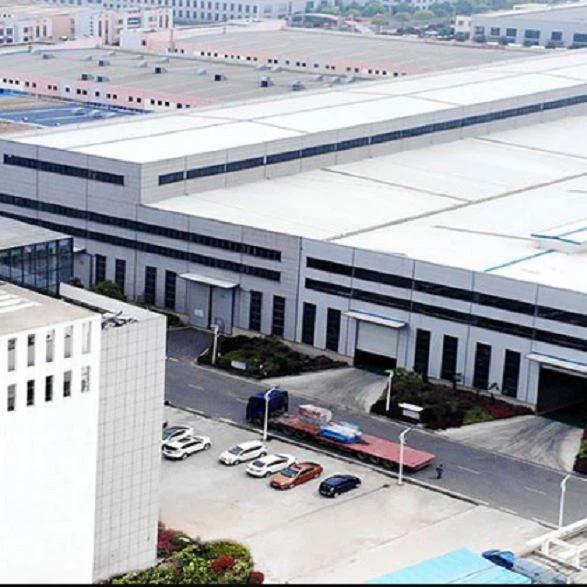
Our company was founded in 2014, with its headquarter located in XingTai. Our company is operated by a professional management team specialized in scientific research ,safe production,quality control and sales operation.We have highly automatic production lines and R&D facilities of international standard we emphasizes safety & environment protect management ,precise process control and quality supervision according to SHEQ standards (lSO9001/ISO14001/OHSAS18001).We also stick to sustainable development with social responsibilities so as to in prove the core competitiveness.Also, we have a trading company, Our sales team is consisted of up to 30 elites of high professionalism, providing our clients first-class service of high efficiency.
FAQ
As one of the leading antirust agent manufacturers and suppliers in China, we warmly welcome you to wholesale bulk high quality antirust agent in stock here from our factory. Contact us for free sample.
iron anti corrosion chemicals, non toxic anti corrosion, corrosion protection of metal