

Why Aluminum Surface Blackening Matters in Modern Industry
Aluminum has solidified its position as a cornerstone material in modern manufacturing, thanks to a unique combination of properties. With a density of just 2.7 g/cm³, it is significantly lighter than steel (7.85 g/cm³), making it ideal for weight-sensitive applications like aerospace and automotive design. Its high ductility allows it to be shaped into intricate forms-from thin sheets for beverage cans to complex extrusions for aircraft frames-while its excellent thermal and electrical conductivity makes it indispensable in electronics, where it serves as heat sinks and circuit board components. Additionally, aluminum's natural resistance to corrosion, derived from a thin, self-forming oxide layer, adds to its appeal across industries.
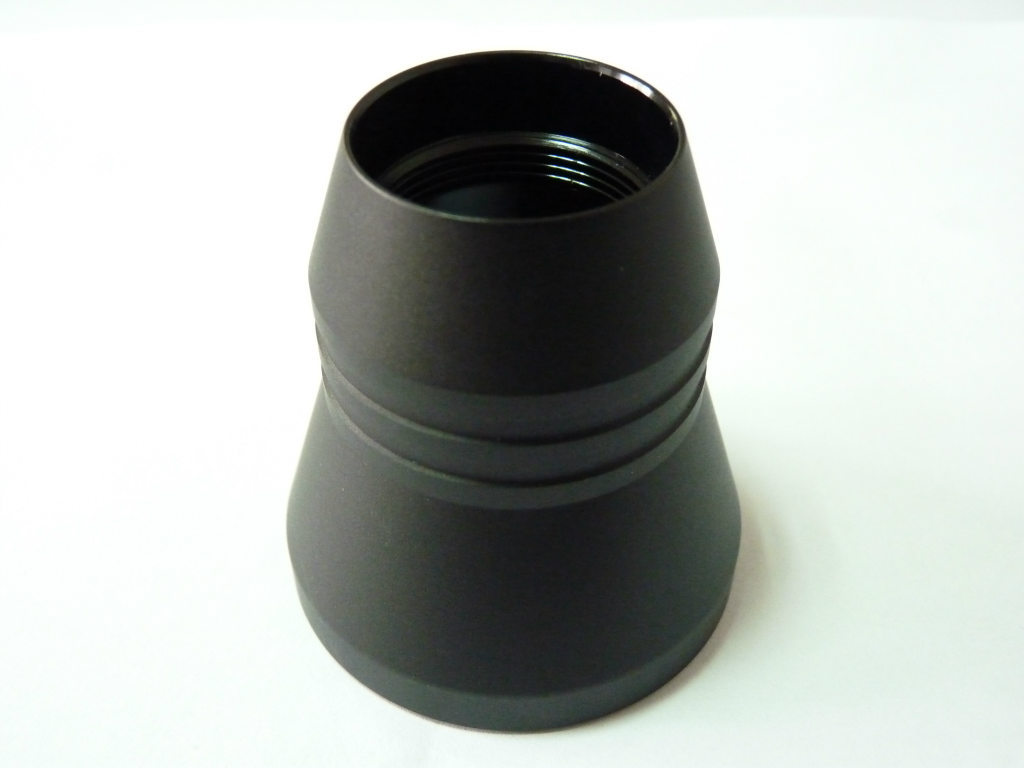
However, the default silver-white appearance of aluminum often fails to meet the functional and aesthetic needs of specialized applications. In optical systems-such as cameras, telescopes, and microscopes-uncoated aluminum surfaces reflect up to 80% of incident light, causing glare, ghosting, and reduced image clarity. Blackening these surfaces cuts reflectivity to under 5%, ensuring light follows the intended optical path. In the electronics sector, blackened aluminum enclosures for servers and industrial controllers not only absorb stray electromagnetic waves (reducing EMI) but also enhance heat dissipation by absorbing more thermal radiation, prolonging component life.
Aesthetically, blackened aluminum has become a hallmark of premium design. In automotive interiors, blackened trim pieces, door handles, and center console components create a sleek, modern look that complements leather and carbon fiber accents. Externally, blackened alloy wheels and grille inserts add a sporty, luxurious touch, catering to consumer demand for customization. Beyond appearance, blackening also boosts corrosion resistance: while aluminum's natural oxide layer (5–10 nm thick) offers basic protection, a blackened film (50 nm–several micrometers thick) forms a denser barrier against moisture, salt spray, and chemicals-critical for marine, industrial, and outdoor applications.
At the center of every successful aluminum blackening process is the Aluminum blackening agent-a material that dictates the quality, durability, and functionality of the final blackened layer. Whether used in traditional chemical baths, advanced electrolytic systems, or as an auxiliary in laser treatments, the Aluminum blackening agent must be carefully selected and optimized to match the process and application. This article explores three primary aluminum blackening technologies-chemical, electrolytic, and laser-based-highlighting the role of the Aluminum blackening agent in each, addressing common challenges, and examining future trends in the field.
Chemical Blackening of Aluminum: The Foundation of Aluminum Blackening Agent Applications
Chemical blackening is the oldest and most widely adopted method for aluminum surface treatment, valued for its low cost, simple equipment, and compatibility with workpieces of all shapes and sizes. This process relies on a controlled chemical reaction between the Aluminum blackening agent and the aluminum surface to form a black, adherent oxide or complex film. Unlike physical coating methods, chemical blackening modifies the aluminum's topmost layer, creating a bond that resists peeling and delamination.
Composition of Chemical Aluminum Blackening Agent: Key Components and Functions
A high-performance chemical Aluminum blackening agent is a precisely balanced mixture of four core components, each serving a critical role in achieving a uniform, durable black film:
Oxidants: The primary drivers of the blackening reaction, oxidants supply oxygen to convert aluminum into aluminum oxide (Al₂O₃), the base of the black film. Common oxidants include potassium permanganate (KMnO₄), sodium dichromate (Na₂Cr₂O₇), and hydrogen peroxide (H₂O₂). Potassium permanganate, effective in acidic/neutral solutions, reacts with aluminum to form manganese dioxide (MnO₂)-a dark compound that enhances the film's black color. Sodium dichromate, used in alkaline solutions, produces chromium(III) oxide (Cr₂O₃), which adds density and corrosion resistance. Hydrogen peroxide, an eco-friendlier option, decomposes into water and oxygen but requires strict pH/temperature control to avoid premature breakdown.
Complexing Agents: These prevent the formation of white, gelatinous aluminum hydroxide (Al(OH)₃), which would block the Aluminum blackening agent from reacting with the aluminum matrix. By forming stable, water-soluble complexes with aluminum ions (Al³⁺), complexing agents ensure uniform reaction across the surface. Citric acid (C₆H₈O₇), tartaric acid (C₄H₆O₆), and EDTA (C₁₀H₁₆N₂O₈) are common choices. EDTA, for example, forms a 1:1 complex with Al³⁺ (log Kf = 16.3), keeping ions dissolved even at high concentrations.
Accelerators: These reduce processing time by increasing reaction speed. Without accelerators, blackening can take over an hour; with them, it typically takes 15–30 minutes. Dilute sulfuric acid (H₂SO₄) and hydrochloric acid (HCl) are widely used-they lower the solution's pH, dissolve the natural oxide layer, and boost oxidant reactivity. Adding 1–3% sulfuric acid to a potassium permanganate-based Aluminum blackening agent, for instance, cuts reaction time by half while improving film uniformity.
Stabilizers: These extend the Aluminum blackening agent's service life by preventing component depletion and maintaining consistent performance. Sodium nitrate (NaNO₃) acts as a secondary oxidant, replenishing oxygen lost by the primary oxidant. Sodium molybdate (Na₂MoO₄) forms a thin protective layer on aluminum, controlling oxidation rate and preventing over-reaction. Stabilizers can double or triple the solution's usable life, reducing waste and costs.
Process Flow of Chemical Blackening: From Pretreatment to Post-Treatment
The chemical blackening process consists of three sequential stages, each requiring careful control to ensure optimal results:
Pretreatment: This step prepares the aluminum surface for uniform reaction with the Aluminum blackening agent. It includes two sub-steps:
Degreasing: Removes organic contaminants (oil, grease, fingerprints) that block the Aluminum blackening agent. A typical degreasing solution is 5–10% sodium hydroxide (NaOH) + 3–5% sodium carbonate (Na₂CO₃), heated to 50–80°C. The alkaline solution saponifies fats into water-soluble soap, which is rinsed away. For heavily oiled parts, ultrasonic degreasing (high-frequency bubbles) dislodges stubborn deposits.
Derusting/Descaling: Dissolves the natural oxide layer (and any corrosion) to expose fresh aluminum. A 5–10% hydrochloric acid or 8–12% sulfuric acid solution is used, with a 5–10 minute immersion time to avoid over-etching (which causes pitting). The workpiece is rinsed immediately to neutralize residual acid.
Blackening Reaction: The pretreated workpiece is immersed in the Aluminum blackening agent solution (60–90°C). Temperature varies by oxidant: 70–80°C for potassium permanganate, 60–65°C for hydrogen peroxide (to prevent decomposition). The oxidant reacts with aluminum (2Al + 3O → Al₂O₃), while complexing agents sequester Al³⁺ and accelerators speed the reaction. Operators monitor the surface-removing the workpiece once a deep, uniform black forms (15–30 minutes). The solution may change color (e.g., purple to brown for potassium permanganate) as oxidants are consumed.
Post-Treatment: This step enhances the film's durability and corrosion resistance:
Rinsing: The workpiece is rinsed with deionized water to remove residual Aluminum blackening agent (prevents over-oxidation and powdery films).
Drying: Air-drying or baking (80–100°C for 10–15 minutes) removes moisture from film pores.
Sealing: Fills pores to block corrosive substances. Options include boiling deionized water (converts porous Al₂O₃ to dense hydrated oxide), chromate solutions (adds chromium-rich protection), or silicone resin (hydrophobic coating). Sealing improves salt spray resistance (ASTM B117) from 20–50 hours to 200+ hours.

Electrolytic Blackening of Aluminum: Advanced Performance with Specialized Aluminum Blackening Agent
Electrolytic blackening (also called anodizing blackening) is a high-performance alternative to chemical blackening, offering thicker, more uniform films with superior corrosion and wear resistance. This process uses an electric current to accelerate oxide formation, with the Aluminum blackening agent serving as the electrolyte. It is ideal for applications requiring durable black films-such as automotive parts, mechanical components, and high-end electronics.
Types of Electrolytic Aluminum Blackening Agent: Acidic, Alkaline, and Neutral
Electrolytic Aluminum blackening agent is classified by pH, each with unique properties suited to specific applications:
Acidic Electrolytic Aluminum Blackening Agent: Composed of sulfuric acid (H₂SO₄), phosphoric acid (H₃PO₄), or chromic acid (H₂CrO₄), this type offers fast film formation (5–15 minutes) and high film hardness (300–500 HV). The acidic environment accelerates aluminum oxidation, producing a dense, wear-resistant oxide film. However, it is highly corrosive to equipment-requiring titanium or lead-lined tanks-and generates wastewater with heavy metals (chromium) that is costly to treat. It is used for high-wear parts like gears and pistons.
Alkaline Electrolytic Aluminum Blackening Agent: Made with sodium hydroxide (NaOH), potassium hydroxide (KOH), or sodium carbonate (Na₂CO₃), this agent is less corrosive than acidic options, making it safer for equipment (stainless steel tanks). It forms a uniform film with good adhesion, though film formation is slower (15–25 minutes) and hardness is lower (200–300 HV) than acidic electrolytes. Alkaline solutions are easier to treat for wastewater, making them suitable for automotive trim and household appliances.
Neutral Electrolytic Aluminum Blackening Agent: A newer, eco-friendly option (pH 6–8) made with borate, silicate, or organic salts. It combines the best of acidic and alkaline agents: low corrosion, fast film formation (10–20 minutes), and good hardness (250–400 HV). Wastewater treatment is simple (no heavy metals), and it is compatible with most aluminum alloys. However, its higher cost (due to specialized raw materials) limits large-scale use to high-end applications like aerospace components and medical devices.
Electrolytic Blackening Process: Parameters and Quality Control
The electrolytic blackening process requires precise control of electrical and chemical parameters to ensure consistent film quality:
Pretreatment: Similar to chemical blackening, this step includes degreasing (alkaline solution) and derusting (mild acid). An additional "brightening" step may be added for aesthetic applications-using a nitric acid (HNO₃) solution to create a smooth, reflective surface before blackening.
Electrolysis Setup: The pretreated aluminum workpiece acts as the anode, while an inert electrode (graphite or stainless steel) acts as the cathode. Both are immersed in the electrolytic Aluminum blackening agent solution. A direct current (DC) power supply is connected to the electrodes to drive the oxidation reaction.
Key Process Parameters:
Current Density: Controls film formation speed and thickness. Typical values range from 1–5 A/dm². Too high (over 5 A/dm²) causes rough, porous films; too low (under 1 A/dm²) results in thin, light-colored films.
Temperature: Maintained at 20–60°C. Higher temperatures (40–60°C) speed reaction but may cause electrolyte evaporation; lower temperatures (20–30°C) slow reaction but improve film uniformity.
Electrolysis Time: Determines film thickness (5–20 minutes). A 10-minute immersion at 3 A/dm² produces a 1–2 μm thick film-ideal for most applications.
pH Value: Critical for electrolyte stability. Acidic electrolytes (pH 1–3), alkaline (pH 10–13), neutral (pH 6–8). pH is monitored hourly with a digital meter; adjustments are made using acid/alkali solutions (e.g., adding sulfuric acid to lower pH of acidic electrolytes).
Post-Treatment: Rinsing (deionized water) removes residual electrolyte, followed by drying (80–100°C). Sealing is critical-silicone resin or boiling water is used to fill pores. For high-corrosion applications, a second sealing step with a chromate-free coating (e.g., cerium-based) is added.

Laser Blackening of Aluminum: Precision and Eco-Friendliness with Auxiliary Aluminum Blackening Agent
Laser blackening is a modern, non-chemical method that uses high-energy laser beams to modify the aluminum surface, creating a black layer through physical and chemical changes. While it does not rely on Aluminum blackening agent as the primary reaction medium, auxiliary agents are used in pretreatment and post-treatment to enhance results. This process excels in precision applications-such as optical components, aerospace parts, and microelectronics-where local blackening or complex patterns are required.
How Laser Blackening Works: Principles and Advantages
Laser blackening leverages the high energy density of a focused laser beam (typically 10–100 W) to alter the aluminum surface:
Surface Oxidation: The laser heats the aluminum surface to 800–1200°C in milliseconds, causing rapid oxidation of aluminum into Al₂O₃. The high temperature also modifies the oxide's microstructure-creating micro-pits, ridges, or nano-scale features that absorb light (reducing reflectivity to <3%).
Microstructural Changes: For non-oxidizing environments (e.g., inert gas), the laser melts and recrystallizes the aluminum surface, forming a textured layer that scatters light, appearing black.
Advantages of laser blackening include:
Precision: The laser can target micro-areas (down to 10 μm) for local blackening-ideal for complex parts like sensor housings or optical baffles.
Eco-Friendliness: No chemicals or wastewater, making it compliant with strict environmental regulations (e.g., EU REACH).
Durability: The black layer is integrated with the aluminum matrix, resisting peeling and wear (hardness up to 600 HV).
Speed: Processing speeds of 1–5 m/min for large surfaces, suitable for high-volume production.
The Role of Auxiliary Aluminum Blackening Agent in Laser Blackening
While laser blackening is chemical-free, auxiliary Aluminum blackening agent improves process efficiency and film quality:
Pretreatment with Dilute Aluminum Blackening Agent: A 1–2% solution of mild Aluminum blackening agent (e.g., citric acid + hydrogen peroxide) is used to clean the aluminum surface. It removes thick oxide layers and impurities that would block laser energy absorption. The agent also forms a thin pre-oxidation layer (5–10 nm) that boosts laser absorption-reducing the energy required (from 50 W to 30 W) and improving uniformity.
Post-Treatment Sealing with Specialized Aluminum Blackening Agent: After laser blackening, the surface may have micro-cracks or pores. A low-concentration (0.5–1%) Aluminum blackening agent (e.g., sodium molybdate + silicate) is applied as a sealant. It penetrates pores, forming a protective film that enhances corrosion resistance. This step improves salt spray resistance from 100 hours to 300+ hours.
Comparison of Aluminum Blackening Technologies and Selection of Aluminum Blackening Agent
Technology Comparison: Chemical, Electrolytic, Laser
Each blackening method has unique strengths and limitations, making it suited to specific applications:
Chemical Blackening: Low cost (equipment + agent), simple operation, but slow (15–30 minutes) and low durability (film thickness <1 μm). Best for low-wear, low-cost parts (e.g., hardware, decorative trim).
Electrolytic Blackening: High durability (film thickness 1–5 μm), fast (5–20 minutes), but high equipment cost and wastewater treatment needs. Ideal for automotive, mechanical, and high-corrosion parts.
Laser Blackening: High precision, eco-friendly, but high equipment cost (\(50k–\)200k) and unsuitable for large-area blackening. Used for precision components (e.g., optical parts, aerospace sensors).
Guidelines for Selecting Aluminum Blackening Agent
The choice of Aluminum blackening agent depends on process, application, and environmental needs:
Match Agent to Process: Chemical blackening needs balanced oxidant-complexing mixes (e.g., potassium permanganate + citric acid for decorative hardware). Electrolytic processes require pH-specific electrolytes (acidic for automotive engine parts). Laser blackening uses dilute auxiliary agents (citric acid for optical components).
Prioritize Application Needs: High corrosion resistance calls for acidic electrolytic or sealed chemical agents (e.g., acidic + cerium sealant for marine parts, 500+ hours salt spray resistance). Precision needs laser + auxiliary cleaners (1% hydrogen peroxide + citric acid for microelectronic sensors). Low cost favors alkaline chemical agents (sodium dichromate for household utensils, 30% cost reduction).
Consider Environmental Compliance: Avoid chromate-based agents for EU/US; use neutral electrolytic (borate-based for Europe) or laser auxiliary (silicate-based for California) agents, which are non-toxic and easy to treat.
Test for Compatibility: Small-batch tests ensure alloy suitability. 6061 works with most chemical agents; 7075 needs alkaline agents with 2–3% gluconic acid (zinc complexing). Tests cover adhesion (ISO 2409), corrosion (salt spray), and color uniformity (Lab* values).
Common Challenges in Aluminum Blackening and Solutions Involving Aluminum Blackening Agent
Uneven Blackening: Causes and Agent-Related Solutions
Causes: Inconsistent agent concentration, contaminated agent, alloy-incompatible agent.
Solutions:
Use 100–200 RPM stirrers and multi-point sampling to maintain agent uniformity.
Filter with 5–10 μm filters; add 0.5–1% activated carbon for oil contamination.
Customize agents: 7075 uses alkaline + 2–3% gluconic acid; 2024 adds 1–2% sodium fluoride.
Poor Film Adhesion: Agent and Process Adjustments
Causes: Over-concentrated agent, inadequate complexing agents, over-etching.
Solutions:
Dilute agents (3–5% potassium permanganate for chemical; 6% sulfuric acid for electrolytic).
Add 0.5–1% EDTA (chemical) or 1–2% tartaric acid (alkaline electrolytic) for complexing.
Shorten derusting to 5–8 minutes; neutralize with 2% sodium bicarbonate.
Low Corrosion Resistance: Enhancing Protection with Aluminum Blackening Agent
Causes: Porous films (low stabilizers), low-purity oxidants, lack of inhibitors.
Solutions:
Add 0.3–0.5% sodium molybdate (chemical) or 4% phosphoric acid (electrolytic) for density.
Use 35–50% hydrogen peroxide (chemical) and analytical-grade sulfuric acid (electrolytic).
Immerse in 1–2% cerium nitrate before sealing (2–3x salt spray resistance).
Future Trends in Aluminum Blackening: Innovations in Aluminum Blackening Agent and Technology
Eco-Friendly Aluminum Blackening Agent: Reducing Toxicity and Waste
Bio-based complexing agents: Sodium alginate/pectin replace EDTA (biodegradable, low wastewater cost).
Recyclable electrolytic agents: Neutral borate-based agents recycled 5–8x (70% waste reduction).
Chromium-free inhibitors: Cerium/zirconium sealants replace chromate (non-toxic, compliant).
High-Performance Aluminum Blackening Agent: Multifunctional Films
Anti-fingerprint: 0.5–1% fluorinated surfactants (hydrophobic, for electronics/automotive).
Anti-microbial: 0.1–0.3% silver nanoparticles (E. coli/S. aureus resistance, medical/food equipment).
Thermal conductive: CNT-enhanced electrolytic agents (2–3x conductivity, for heat sinks).
Smart Aluminum Blackening Agent: Real-Time Monitoring and Adjustment
Embedded sensors: pH/concentration/temperature sensors auto-adjust agent (reduces error).
Color-adjustable: 0.1–0.2% iron(III) chloride (darken) or citric acid (lighten) for customization.
Self-healing: Microcapsule-based agents (repair resin for scratches, gears/bearings).
Integration with Additive Manufacturing: Agent for 3D-Printed Aluminum
Pore-filling: 2-step chemical agents (epoxy fill + oxidant blacken, smooth films).
Low-temperature: 40–50°C electrolytic sulfate agents (avoids 3D-printed part distortion).
The Central Role of Aluminum Blackening Agent in Advancing Surface Treatment
Aluminum blackening has evolved into a functional process, with Aluminum blackening agent as the core-dictating film quality, efficiency, and sustainability. From traditional to smart agents, innovations meet needs for cost, durability, and eco-friendliness. For manufacturers, selecting the right agent aligns with applications, standards, and trends, unlocking aluminum's full potential in modern industry.