

The Importance of Choosing the Right Refrigerator Cleaner
A clean refrigerator is more than just an aesthetic choice-it is a critical component of food safety, appliance longevity, and a healthy home environment. Every day, refrigerators accumulate food spills, grease, dirt, and hidden bacteria such as Listeria, Salmonella, and E. coli, which can contaminate fresh ingredients and lead to foodborne illnesses. While many people reach for random household cleaners, using the wrong product can damage the refrigerator's interior surfaces, leave harmful residues on food-contact areas, or fail to eliminate stubborn stains and odors. This is where a dedicated refrigerator cleaner becomes indispensable. Unlike generic cleaners, refrigerator cleaners are specifically formulated to tackle the unique challenges of cleaning a food storage space: they are gentle enough to protect delicate surfaces, powerful enough to remove tough grime, and safe enough to use around food. Choosing the right refrigerator cleaner not only ensures a thorough clean but also preserves the appliance's performance and extends its lifespan, making it a wise investment for any household.
Types of Refrigerator Cleaners: Pros, Cons, and Ideal Uses
Commercial Refrigerator Cleaners
All-Purpose Refrigerator Sprays
All-purpose refrigerator sprays are the most common and convenient option for regular fridge cleaning. These products are designed to be versatile, tackling a wide range of messes from food spills and grease to light mineral deposits. Most commercial sprays are formulated with surfactants, which lower water's surface tension to penetrate and emulsify oily residues, making them easy to wipe away. Many also contain deodorizing agents to neutralize unpleasant odors, rather than just masking them. Top-rated options like Oh Yuk Fridge Cleaner and Lysol Pro Kitchen Cleaner are food-safe, biodegradable, and effective at killing 99.9% of bacteria, making them suitable for daily or weekly touch-ups. However, some cheaper sprays may contain harsh chemicals that leave a strong scent or require thorough rinsing to avoid residue. It is important to choose products labeled "food-contact surface safe" to ensure they do not contaminate food items stored in the fridge.
Refrigerator Wipes
Refrigerator wipes are a convenient alternative to sprays, especially for quick clean-ups between deep cleans. Pre-moistened and ready to use, these wipes are designed to be gentle on refrigerator surfaces-including plastic, glass, and stainless steel-and effective at removing light spills, fingerprints, and dust. Popular options like Weiman Wipes are streak-free and do not require rinsing, making them ideal for busy households or for cleaning hard-to-reach areas like door seals and shelf edges. They are also portable, making them easy to keep in the kitchen for immediate use when a spill occurs. The main downside of refrigerator wipes is their cost: they are more expensive per use than sprays, and they may not be as effective on tough, dried-on stains. Additionally, some wipes may contain alcohol or other chemicals that can dry out rubber seals over time if used excessively.
Specialized Deep-Cleaning Refrigerator Cleaners
For tough stains, mold, and heavy grime, specialized deep-cleaning refrigerator cleaners are the best choice. These products are formulated with stronger ingredients-such as enzymes, mild acids, or disinfectants-to break down stubborn messes that regular sprays or wipes cannot handle. Enzyme-based cleaners, for example, contain protease, lipase, and amylase to target and break down protein, fat, and starch-based stains like dried milk, egg, or sauce residues. They are gentle, eco-friendly, and safe for food-contact surfaces, but require a few minutes of soaking time to work effectively. Disinfectant-based cleaners, such as diluted Clorox or other chlorine-containing products, are ideal for deep sanitization, killing mold, bacteria, and viruses in hard-to-clean areas like door gaskets or drawer corners. However, these cleaners are more corrosive and require careful handling, including wearing gloves and ensuring proper ventilation, and must be thoroughly rinsed to avoid residue.

Natural and DIY Refrigerator Cleaners
Vinegar and Water Solution
A mixture of white vinegar and water is one of the most popular natural alternatives to commercial refrigerator cleaners. Vinegar, a mild acid, effectively dissolves mineral deposits, cuts through grease, and has natural antibacterial properties, making it ideal for cleaning glass shelves, door seals, and plastic surfaces. To make the solution, mix equal parts white vinegar and warm water in a spray bottle. Spray it on the surface, let it sit for 5-10 minutes to break down stains and odors, then wipe clean with a microfiber cloth. This solution is safe, affordable, and free of harsh chemicals, making it perfect for households with children or pets. However, vinegar has a strong, pungent odor that some people find unpleasant, and it may not be as effective on tough, oily stains as commercial cleaners. It also should never be mixed with chlorine-containing cleaners, as this produces toxic chlorine gas.
Baking Soda Paste
Baking soda is another natural powerhouse for cleaning refrigerators, thanks to its mild abrasive properties and ability to neutralize odors. To make a baking soda paste, mix baking soda with a small amount of warm water until it forms a thick consistency. This paste is ideal for scrubbing away dried-on food spills, sticky residues, and tough stains on plastic shelves, drawers, and interior walls. Baking soda is gentle enough to avoid scratching surfaces, and it effectively absorbs odors, leaving the fridge smelling fresh without artificial fragrances. After scrubbing, simply wipe the paste away with a damp cloth and dry the surface thoroughly. While baking soda is safe and affordable, it requires more elbow grease than commercial cleaners, and it may not be as effective at disinfecting surfaces or removing heavy grease buildup.
Lemon and Water Solution
For a natural, fresh-smelling alternative to vinegar, a lemon and water solution is an excellent choice. Lemons contain citric acid, which cuts through grease and stains similarly to vinegar, but with a pleasant, citrusy scent that masks odors naturally. To make the solution, squeeze the juice of one or two lemons into a spray bottle, add warm water, and shake well. Spray it on refrigerator surfaces, let it sit for a few minutes, then wipe clean with a soft cloth. This solution is safe for food-contact surfaces, non-toxic, and leaves a fresh, clean aroma. It is particularly effective at removing water spots on glass shelves and brightening plastic surfaces. However, like vinegar, lemon juice is a mild acid and may not be strong enough for tough stains or heavy mold growth. It also may cause discoloration on some porous surfaces if left on for too long.
Key Factors to Consider When Choosing a Refrigerator Cleaner
Safety for Food-Contact Surfaces
The most important factor when choosing a refrigerator cleaner is its safety for food-contact surfaces. Any cleaner used inside the fridge will come into contact with food or food storage containers, so it must be non-toxic, free of harmful residues, and labeled "food-safe" or "safe for food-contact surfaces". Commercial cleaners should be checked for ingredients like phosphates, ammonia, or harsh solvents, which can leave toxic residues or contaminate food. Natural cleaners like vinegar, baking soda, and lemon are inherently safe, but it is still important to rinse surfaces thoroughly after cleaning to avoid any lingering tastes or odors transferring to food. Additionally, avoid using cleaners that contain strong fragrances, as these can permeate food and affect its flavor.
Compatibility with Refrigerator Surfaces
Refrigerators have a variety of surfaces, including plastic shelves, glass shelves, stainless steel doors, rubber door seals, and metal coils, and not all cleaners are compatible with every surface. For example, abrasive cleaners or scouring pads can scratch stainless steel doors or glass shelves, while harsh chemicals can damage rubber seals or discolor plastic surfaces. Commercial refrigerator cleaners are typically formulated to be compatible with all common fridge surfaces, but it is still important to read the label before use. Natural cleaners like baking soda paste should be used gently to avoid scratching, while vinegar should not be used on marble or granite surfaces, as it can etch the stone. Taking the time to choose a cleaner that is compatible with your refrigerator's surfaces will prevent damage and keep your appliance looking like new.
Effectiveness Against Stains, Odors, and Bacteria
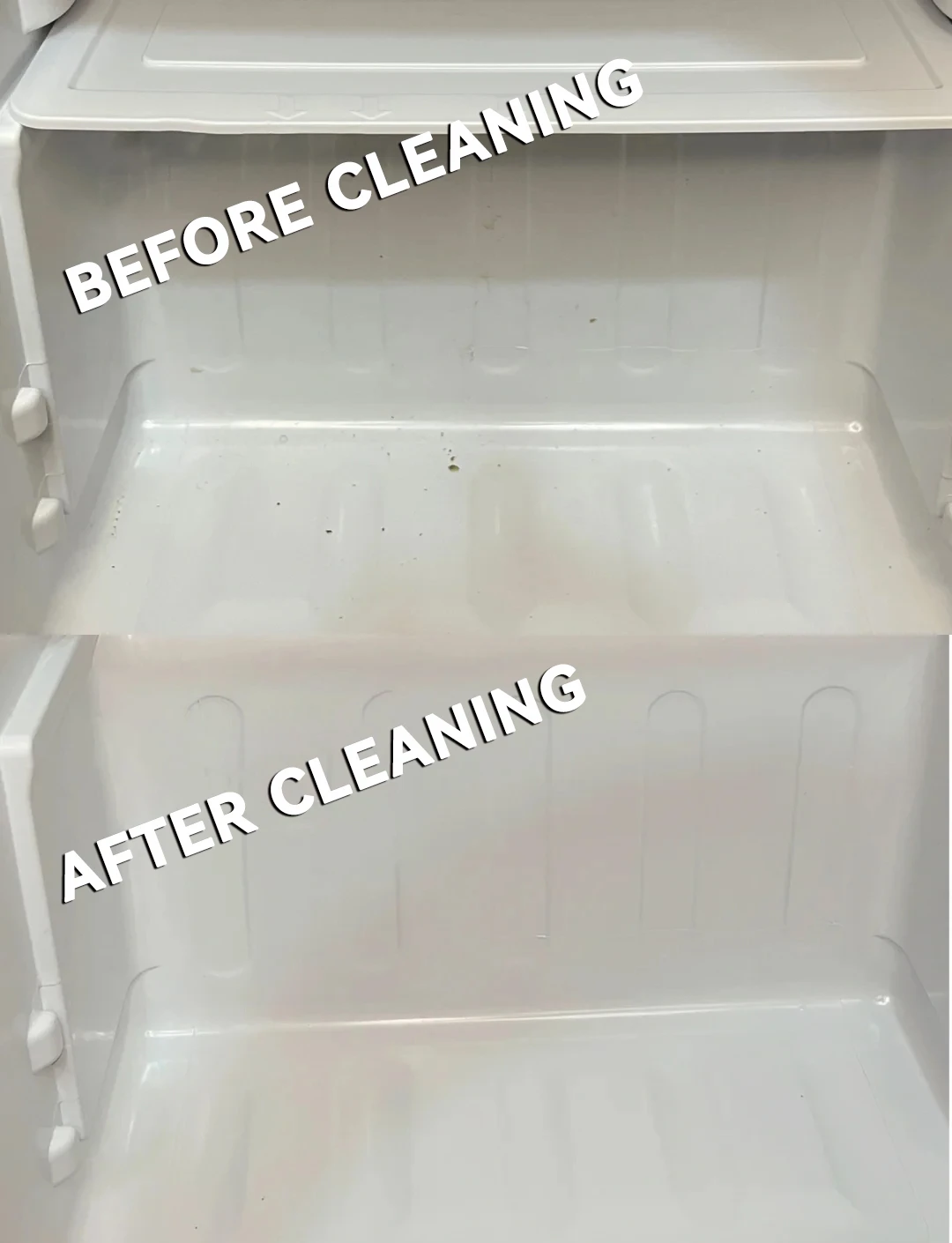
A good refrigerator cleaner should be effective at three key tasks: removing stains, eliminating odors, and killing bacteria. Stains from food spills, grease, and mineral deposits can be stubborn, so the cleaner should have enough cleaning power to break them down without excessive scrubbing. Odors are another common issue in refrigerators, and the cleaner should neutralize them rather than just masking them-look for products with deodorizing agents or natural odor absorbers like baking soda or activated charcoal. Bacteria and mold growth are a health hazard, so the cleaner should have antibacterial or disinfectant properties to kill harmful microorganisms. Commercial cleaners often specify their effectiveness at killing bacteria (e.g., 99.9% of germs), while natural cleaners like vinegar and lemon have mild antibacterial properties but may not be as effective as disinfectant-based products for deep sanitization.
Ease of Use and Convenience
The best refrigerator cleaner for you will also depend on your cleaning habits and lifestyle. If you prefer quick, hassle-free clean-ups, pre-moistened wipes or all-purpose sprays are ideal-they require no mixing, are ready to use, and can be disposed of after use. For those who prefer to clean less frequently but more thoroughly, specialized deep-cleaning sprays or enzyme-based cleaners are a better choice, even if they require a few minutes of soaking time. Natural cleaners like vinegar and baking soda require mixing, which may be less convenient, but they are affordable and readily available in most households. Additionally, consider the application method: sprays are easy to apply to large surfaces, while wipes are better for small spills and hard-to-reach areas. Choosing a cleaner that fits your routine will make it easier to keep your refrigerator clean regularly.

How to Use Refrigerator Cleaners for Optimal Results
Pre-Cleaning Preparation
Before using any refrigerator cleaner, proper preparation is key to ensuring a thorough clean. Start by unplugging the refrigerator to avoid electrical hazards, especially if you will be using liquid cleaners near electrical components. Next, remove all food items from the fridge, checking for expired or spoiled products and discarding them-this not only makes cleaning easier but also eliminates potential odor sources. Take out all removable shelves, drawers, and door bins, and wash them separately in warm, soapy water (or with your chosen refrigerator cleaner) to remove hidden grime. Wipe away any loose crumbs or debris with a dry cloth to prevent them from spreading when you apply the cleaner. Finally, open the refrigerator doors to allow ventilation, especially if you are using a cleaner with strong fumes.
Step-by-Step Cleaning Process
Once prepared, follow these steps to clean your refrigerator effectively with your chosen cleaner. For sprays or natural solutions (vinegar, lemon), spray the cleaner evenly on all interior surfaces, including the walls, door panels, door seals, and any non-removable shelves. Let the cleaner sit for the recommended time-usually 5-10 minutes for natural solutions or as directed on the commercial cleaner label-to break down stains and odors. For tough stains, use a soft-bristled brush or sponge to gently scrub the area, avoiding abrasive tools that can scratch surfaces. For wipes, simply wipe down each surface thoroughly, using a fresh wipe for heavily soiled areas. After cleaning, rinse all surfaces with a damp cloth to remove any cleaner residue, then dry them with a clean, dry cloth to prevent moisture buildup and mold growth. Reassemble the shelves, drawers, and bins, and return the food items to the fridge, organizing them to maximize airflow.
Post-Cleaning Maintenance
To keep your refrigerator clean and fresh between deep cleans, incorporate simple maintenance habits. Wipe up spills immediately with a damp cloth or refrigerator wipe to prevent them from drying and becoming tough stains. Place an open box of baking soda or activated charcoal in the fridge to absorb odors, replacing it every 3-6 months. Clean the door seals monthly with a mild cleaner to remove dirt and prevent mold growth, as these seals are a common hiding spot for bacteria. Additionally, perform a quick wipe-down of shelves and door bins every week with a refrigerator wipe or a mild spray cleaner to keep grime from accumulating. Regular maintenance not only reduces the need for frequent deep cleans but also extends the life of your refrigerator and ensures a safe food storage environment.

Top Recommendations for the Best Refrigerator Cleaners
After considering all the factors-safety, effectiveness, compatibility, and convenience-here are the top recommendations for refrigerator cleaners to suit different needs. For overall performance and convenience, Oh Yuk Fridge Cleaner is the editor's choice: it is food-safe, biodegradable, comes in a concentrate (offering long-term value), and effectively removes tough stains and odors without harsh chemicals. For budget-friendly daily cleaning, Lysol Pro Kitchen Cleaner is an excellent option, as it is affordable, kills 99.9% of bacteria, and works well on most surfaces. For quick touch-ups, Weiman Wipes are streak-free, convenient, and safe for all fridge surfaces. For natural cleaning, a mixture of white vinegar and water is the best choice-affordable, non-toxic, and effective for regular maintenance. For deep cleaning and mold removal, a diluted Clorox solution (or other chlorine-containing disinfectant) is powerful, but must be used with caution and thoroughly rinsed. Ultimately, the best refrigerator cleaner is one that fits your lifestyle, is safe for your family, and keeps your fridge clean and hygienic.
Making the Right Choice for a Clean, Healthy Refrigerator
Choosing the best thing to clean a refrigerator with ultimately comes down to your specific needs, preferences, and lifestyle. While there are many options-from commercial sprays and wipes to natural DIY solutions-each has its own strengths and weaknesses. Commercial refrigerator cleaners offer convenience and powerful cleaning, while natural solutions are safe, affordable, and eco-friendly. Regardless of which cleaner you choose, the key is to use it regularly, follow the proper cleaning steps, and prioritize safety for food-contact surfaces. A clean refrigerator is not just a clean appliance-it is a cornerstone of a healthy home, protecting your family from foodborne illnesses, extending the life of your appliance, and ensuring that your food stays fresh and safe to eat. By investing in the right refrigerator cleaner and establishing a regular cleaning routine, you can keep your fridge in top condition for years to come.