

Why Paint Remover Is the Easiest Solution for Bare Metal Paint Removal
When it comes to removing paint from metal surfaces to reveal the bare metal underneath, DIY enthusiasts and professionals alike often seek the simplest, most efficient method. While mechanical methods like sanding, scraping, or sandblasting are common, they require significant physical effort, time, and often specialized tools-making them impractical for most casual users. Heat guns, another alternative, carry fire risks and can damage delicate metal surfaces if not used carefully. In contrast, paint remover (also called paint stripper) stands out as the easiest solution: it requires minimal physical labor, works on nearly all metal types, and efficiently breaks down paint layers without extensive prep work. Unlike other methods, paint remover does not require brute force or high temperatures; instead, it uses chemical or natural formulas to soften paint, allowing for easy removal with basic tools. Whether you're restoring an old metal fence, refinishing automotive parts, or updating metal furniture, paint remover simplifies the process, even for beginners, while ensuring the bare metal remains undamaged. Its versatility and ease of use make it the top choice for anyone looking to strip paint to bare metal without unnecessary hassle.
Understanding Paint Removers: Types and How They Work on Metal
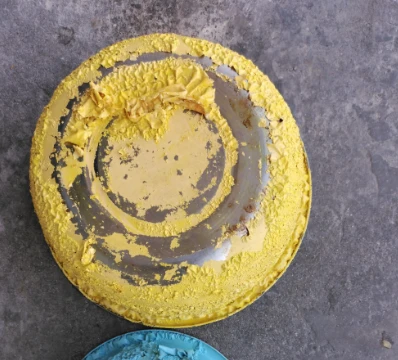
To use paint remover effectively, it's essential to understand the different types available and how they interact with metal surfaces. Paint removers are categorized by their active ingredients, each designed to tackle specific paint types and metal substrates. The three primary types are solvent-based, caustic-based, and bio-based (eco-friendly) removers, each with unique properties that make them suitable for different scenarios. Solvent-based removers, the most common type, use chemicals like methylene chloride or NMP to dissolve the chemical bonds in paint, making it soft and easy to scrape off. They work quickly-usually within 10 to 30 minutes-and are ideal for removing multiple layers of oil-based or latex paint from sturdy metals like steel or iron. Caustic-based removers, made with sodium hydroxide or other alkaline compounds, break down paint by saponifying the oils in the paint, turning it into a soapy residue that can be rinsed away. They are less harsh than solvent-based options but take longer to work, making them better for thin paint layers on non-corrosive metals. Bio-based removers, made from natural ingredients like soy or citrus, are the safest option for both users and the environment. They are non-toxic, low-odor, and gentle on metal, though they require more time to soften paint-often 30 minutes to an hour. Regardless of the type, all paint removers work on the same core principle: breaking down the paint's structure to separate it from the metal surface, eliminating the need for strenuous sanding or scraping.
Choosing the Right Paint Remover for Your Metal Surface
Selecting the correct paint remover is critical to achieving easy, damage-free paint removal and ensuring the bare metal remains in good condition. The key factors to consider are the type of metal, the type of paint being removed, and your safety and environmental preferences. For sturdy metals like steel, iron, or cast iron, solvent-based or caustic-based removers are excellent choices, as they can handle thick, multiple layers of paint without damaging the metal. However, for more delicate metals like aluminum, copper, or galvanized steel, solvent-based removers are preferred, as caustic-based options can cause corrosion or discoloration. If you're dealing with water-based paint, a milder bio-based or caustic remover may suffice, while oil-based or epoxy paints often require the stronger action of solvent-based removers. Additionally, consider the environment where you'll be working: if you're indoors or in a poorly ventilated area, bio-based removers are the best choice due to their low fumes, while solvent-based removers should only be used outdoors or in well-ventilated spaces. Always check the product label to ensure it is compatible with your specific metal type-using the wrong remover can lead to scratches, discoloration, or even permanent damage to the metal surface.
Step-by-Step Guide: Using Paint Remover to Strip Paint to Bare Metal
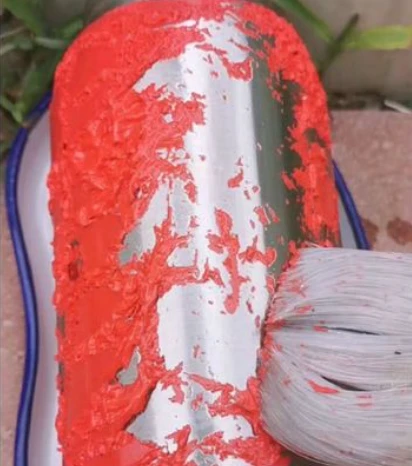
Using paint remover to strip paint to bare metal is a straightforward process that requires only basic tools and minimal effort. Before starting, gather your supplies: the appropriate paint remover for your metal and paint type, a disposable brush (for applying the remover), a plastic or metal scraper (avoid metal scrapers on delicate metals), steel wool (for removing residual paint), gloves (chemical-resistant for solvent-based removers), safety goggles, and a well-ventilated workspace. Begin by preparing the metal surface: clean it thoroughly with a damp cloth to remove dirt, dust, and grease, as these can prevent the paint remover from adhering properly to the paint. Allow the surface to dry completely-any moisture will dilute the remover and reduce its effectiveness. Once the surface is clean and dry, you're ready to apply the paint remover and start the stripping process.
Common Mistakes to Avoid When Using Paint Remover
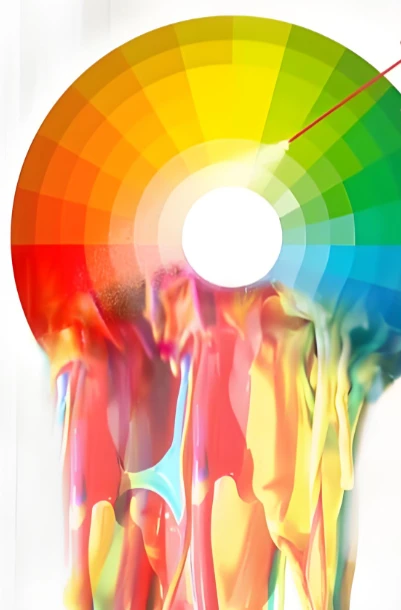
While using paint remover is relatively easy, there are several common mistakes that can make the process more difficult or even damage the metal surface. One of the most common mistakes is applying the remover too thin-this prevents the active ingredients from fully covering the paint, leading to uneven softening and incomplete paint removal. Another mistake is rushing the process: not waiting long enough for the remover to work, which requires more scraping and can damage the metal. Conversely, leaving the remover on the surface longer than recommended can cause discoloration or corrosion, especially on delicate metals like aluminum. Using the wrong type of scraper is also a frequent error-metal scrapers on delicate metals can scratch the surface, while plastic scrapers may not be strong enough for thick paint layers on sturdy metals. Additionally, neglecting safety gear can lead to skin irritation, eye damage, or respiratory issues, especially with solvent-based removers. Finally, failing to clean the metal surface properly before applying the remover can prevent the remover from adhering to the paint, reducing its effectiveness. By avoiding these mistakes, you can ensure that the paint removal process is smooth, efficient, and damage-free.
Maintaining Bare Metal After Paint Removal with Paint Remover
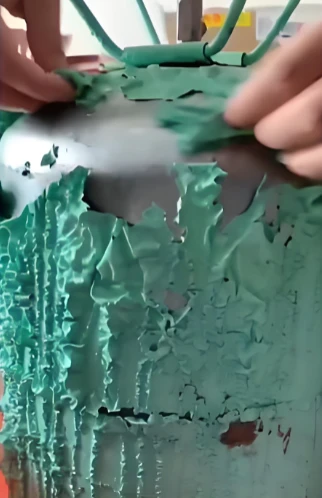
Once you've successfully stripped paint to bare metal using paint remover, proper maintenance is essential to keep the metal in good condition and prevent rust or corrosion. Bare metal is vulnerable to moisture, oxygen, and environmental factors, so taking steps to protect it immediately after paint removal is crucial. First, ensure the surface is completely clean and dry-any residual moisture can lead to rust. For metals that are prone to rust, such as steel or iron, apply a thin layer of rust-inhibiting primer or a clear sealant (like polyurethane or wax) to create a barrier against moisture. For decorative metals or items that will be used outdoors, consider applying a rust-resistant paint or coating to provide long-term protection. Regular cleaning is also important: wipe the metal surface with a dry cloth periodically to remove dust and debris, and avoid using harsh chemicals that can damage the surface. If you notice any signs of rust starting to form, address it immediately by sanding the area lightly and applying a touch-up of primer or sealant. By following these maintenance steps, you can keep your bare metal surface looking clean and in excellent condition for years to come, ensuring that your paint removal efforts are not wasted.
Paint Remover vs. Other Paint Removal Methods: Why It's the Easiest
To fully understand why paint remover is the easiest way to remove paint to bare metal, it's helpful to compare it to other common methods. Mechanical methods like sanding or sandblasting require significant physical effort-sanding by hand can be tiring and time-consuming, especially for large surfaces, while sandblasting requires specialized equipment and can damage delicate metal if not done by a professional. Heat guns, while effective for some surfaces, carry a high risk of fire (especially near flammable materials) and can warp or discolor metal if the temperature is too high. Scraping alone is only effective for loose, peeling paint and often leaves behind residual paint that requires additional work. In contrast, paint remover eliminates the need for strenuous labor and specialized tools: it works with minimal effort, can be used by beginners, and is gentle on most metal surfaces. It also works on all types of paint, from thin latex layers to thick oil-based coats, and can reach intricate areas that sanding or scraping cannot. Additionally, paint remover is more cost-effective than renting sandblasting equipment or buying a heat gun, making it accessible to anyone. When compared to other methods, paint remover offers the perfect balance of ease, efficiency, and safety-making it the clear choice for anyone looking to strip paint to bare metal without unnecessary hassle.