

How to Use Oven Cleaner Effectively: Step-by-Step Guide
Preparing Your Oven for Cleaning
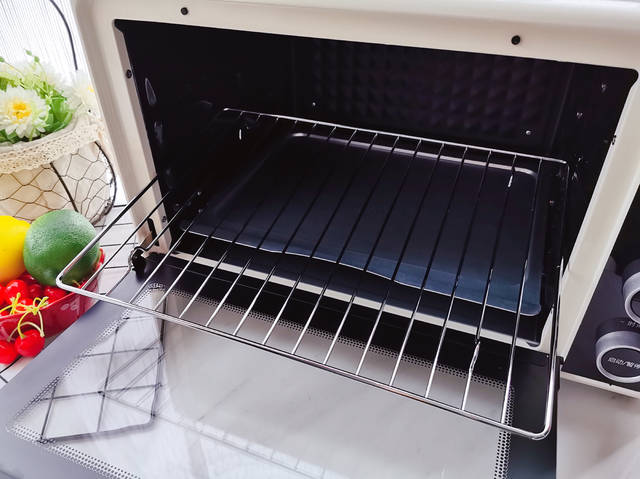
Before using any oven cleaner, it's important to properly prepare your oven to ensure safety and effectiveness. First, make sure the oven is completely cool. Never use oven cleaner on a hot or warm oven, as the heat can cause the cleaner to evaporate quickly, reducing its effectiveness and potentially creating harmful fumes. Next, remove all oven racks and set them aside. You can clean the racks separately using the same oven cleaner or a specialized rack cleaner. If there are any large pieces of burnt-on food or debris in the oven, use a plastic scraper (avoid metal scrapers, which can scratch the surface) to remove them. This will help the oven cleaner penetrate the remaining stains more effectively. Cover any heating elements or gas burners (if applicable) with aluminum foil to protect them from the cleaner, as harsh chemicals can damage these components.
It's also important to protect your kitchen surfaces and yourself. Lay down old newspapers or a plastic drop cloth on the floor and countertops around the oven to catch any drips or spills. Wear rubber gloves to protect your hands from harsh chemicals, and if using a chemical-based cleaner, wear eye protection to prevent splashes from getting in your eyes. Ensure proper ventilation by opening windows and turning on the kitchen exhaust fan. This will help to dissipate any fumes from the cleaner and keep the air fresh. Finally, read the manufacturer's instructions carefully before using the cleaner. Different brands and types of oven cleaners have different dwell times, application methods, and safety precautions, so it's important to follow the instructions to ensure the best results and avoid damage to your oven.
Applying the Oven Cleaner
Once your oven is prepared, it's time to apply the oven cleaner. The application method will vary depending on the type of cleaner you're using. For aerosol oven cleaners, shake the can well before use, then hold it 8-10 inches away from the oven surfaces and spray evenly. Start with the oven ceiling, then move to the walls, floor, and door. Be sure to cover all surfaces evenly, but avoid over-spraying, as this can lead to drips and wasted product. For gel oven cleaners, use a brush or sponge to apply the gel evenly to the oven surfaces, focusing on areas with heavy buildup. The thick gel formula will cling to vertical surfaces, so you don't need to worry about drips. For natural oven cleaners, apply the product according to the manufacturer's instructions-some are sprayed, while others are applied with a cloth or sponge.
When applying the cleaner, pay special attention to tough stains, such as burnt-on food on the oven floor or grease on the oven door. You may need to apply a thicker layer of cleaner to these areas or spot-treat them with additional product. Avoid applying the cleaner to any rubber gaskets or seals around the oven door, as the harsh chemicals can damage the rubber and cause it to crack or deteriorate. If the cleaner does come into contact with the gaskets, wipe it away immediately with a damp cloth. Once the cleaner is applied, close the oven door (if recommended by the manufacturer) and let it sit for the recommended dwell time. Do not open the oven door during the dwell time, as this can allow fumes to escape and reduce the cleaner's effectiveness. The dwell time will vary depending on the cleaner-some work in 30 minutes, while others require several hours or overnight.
Wiping and Rinsing the Oven
After the recommended dwell time has passed, it's time to wipe away the dissolved grime and rinse the oven surfaces. Start by opening the oven door and allowing any remaining fumes to dissipate. Put on your gloves again, and take a damp cloth or sponge. Wipe the oven surfaces gently, starting from the top and working your way down. The dissolved grime should come off easily, but if there are any remaining stubborn spots, you can use a plastic scraper to gently remove them or apply a small amount of additional cleaner and let it sit for a few more minutes. Be sure to wipe all surfaces thoroughly, including the corners, edges, and oven door, to remove all traces of the cleaner and grime.
Once you've wiped away all the grime, it's important to rinse the oven surfaces thoroughly with clean water. This will remove any remaining cleaner residue, which could contaminate food during future cooking. Use a clean, damp cloth or sponge to rinse the surfaces, and then dry them with a clean towel to prevent water spots. For the oven racks, if you cleaned them with oven cleaner, rinse them thoroughly under running water and dry them before placing them back in the oven. After cleaning, leave the oven door open for a few hours to ensure it is fully ventilated and any remaining fumes have dissipated. You can also turn on the oven to a low temperature (200°F) for 10-15 minutes to help remove any residual odor. Once the oven is clean and ventilated, it's ready to use again.
Tips for Maintaining a Clean Oven with Oven Cleaner
Regular Cleaning Schedule
One of the best ways to keep your oven clean and reduce the need for heavy cleaning is to establish a regular cleaning schedule using oven cleaner. How often you need to clean your oven depends on how frequently you use it. If you use your oven daily, you should clean it every 1-2 months. If you use it less frequently, you can clean it every 3-6 months. Regular cleaning prevents burnt-on grease and food residue from building up, making each cleaning task faster and easier. When cleaning regularly, you can use a milder oven cleaner or a natural option, as there will be less buildup to tackle. You can also spot-clean tough stains as soon as they occur, using a small amount of oven cleaner to prevent them from hardening and becoming more difficult to remove.
To make regular cleaning easier, get into the habit of wiping down the oven interior with a damp cloth after each use, once it has cooled down. This will remove any fresh spills or food particles before they have a chance to harden. Once a month, use a small amount of oven cleaner to spot-clean any areas with light buildup, such as the oven door or floor. This will help to keep the oven looking clean and prevent heavy buildup from forming. By following a regular cleaning schedule, you can ensure that your oven remains clean and functional, and you can avoid the time-consuming and difficult task of deep cleaning an oven with heavy buildup.
Proper Storage of Oven Cleaner
Proper storage of oven cleaner is essential to ensure its effectiveness and safety. Oven cleaners should be stored in a cool, dry place, away from heat and direct sunlight. Avoid storing them near the oven, stove, or any other heat source, as the heat can cause the cleaner to become unstable or even explode (in the case of aerosol cans). Keep oven cleaners out of reach of children and pets, as they can be harmful if ingested or if they come into contact with skin or eyes. Store them in their original containers with the labels intact, so you can easily reference the instructions and safety precautions.
If you have leftover oven cleaner, make sure to seal the container tightly to prevent evaporation and contamination. Aerosol cans should be stored upright to prevent leaks. Do not transfer oven cleaner to other containers, as this can cause confusion and increase the risk of accidental ingestion or misuse. When disposing of empty oven cleaner containers, follow the manufacturer's instructions and local waste disposal regulations. Aerosol cans should be emptied completely before disposal, and chemical-based cleaners should be disposed of as hazardous waste. Proper storage and disposal of oven cleaner not only ensures its effectiveness but also keeps your home safe.
Avoiding Common Mistakes When Using Oven Cleaner
To get the best results when using oven cleaner and to avoid damaging your oven or putting yourself at risk, it's important to avoid common mistakes. One of the most common mistakes is using oven cleaner on a hot or warm oven. As mentioned earlier, this can cause the cleaner to evaporate quickly, reduce its effectiveness, and create harmful fumes. Always wait for the oven to cool completely before applying the cleaner. Another common mistake is not following the manufacturer's instructions for dwell time. Leaving the cleaner on for too long can damage the oven's surfaces, while leaving it on for too short a time will not allow it to break down the stains effectively.
Using the wrong type of oven cleaner for your oven is another common mistake. For example, using an aerosol cleaner on a self-cleaning oven with a catalytic converter can damage the converter. Always check the manufacturer's instructions for your oven to determine which type of cleaner is safe to use. Avoid using metal scrapers or abrasive sponges when cleaning, as these can scratch the oven's interior surfaces. Use plastic scrapers and soft sponges or cloths instead. Finally, do not mix different types of oven cleaners or cleaning products, as this can create harmful chemical reactions and fumes. By avoiding these common mistakes, you can ensure that your oven cleaning task is safe, effective, and damage-free.
Choosing the Best Oven Cleaner for Your Oven
Consider Your Oven Type
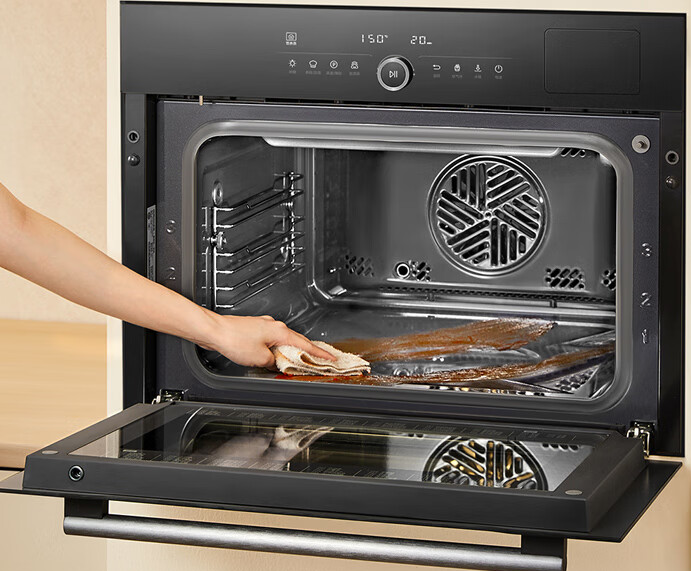
When choosing an oven cleaner, the first thing to consider is your oven type. Different ovens have different interior surfaces, and some cleaners are not safe for certain surfaces. For example, conventional ovens with enamel or stainless steel interiors can use most types of oven cleaners, including aerosol and gel. Self-cleaning ovens, however, require special consideration. If your self-cleaning oven has a catalytic converter, avoid using harsh chemical-based cleaners, as they can damage the converter's surface. Instead, use a natural or mild gel cleaner. Ovens with non-stick interiors also require milder cleaners, as harsh chemicals can damage the non-stick coating. Always check the manufacturer's instructions for your oven to determine which type of cleaner is safe and recommended.
Another factor to consider is whether your oven is gas or electric. Gas ovens have burners that need to be protected from the cleaner, so it's important to cover them with aluminum foil before cleaning. Electric ovens have heating elements that also need to be protected. While most oven cleaners are safe for both gas and electric ovens, it's still important to follow the manufacturer's instructions to avoid damaging any components. If you're unsure which cleaner is right for your oven, look for products that are labeled as safe for all oven types or consult the oven's user manual. Choosing a cleaner that is compatible with your oven type will ensure that you get the best results without damaging your appliance.
Evaluate the Level of Buildup
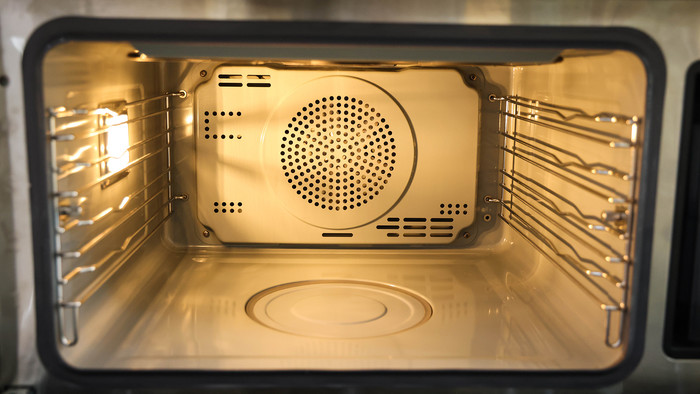
The level of buildup in your oven is another important factor to consider when choosing an oven cleaner. If your oven has light buildup, such as recent spills or light grease, a mild gel cleaner or natural cleaner may be sufficient. These cleaners are gentler and have a shorter dwell time, making them ideal for regular maintenance. If your oven has moderate to heavy buildup, such as burnt-on food that has been left for weeks or months, you will need a more powerful cleaner, such as an aerosol or heavy-duty gel cleaner. These cleaners have stronger ingredients and longer dwell times, allowing them to break down even the most stubborn grime.
For ovens with extremely heavy buildup, you may need a cleaner with a longer dwell time (up to overnight) or a specialized heavy-duty formula. Some brands offer industrial-strength oven cleaners that are designed for commercial kitchens or ovens with severe buildup, but these should be used with caution, as they are very harsh. It's important to match the cleaner's strength to the level of buildup to ensure effective cleaning without wasting product or damaging your oven. If you're not sure about the level of buildup, start with a milder cleaner and work your way up to a stronger one if needed. This will help to avoid damaging your oven's surfaces while still achieving a clean result.
Prioritize Safety and Environmental Impact
When choosing an oven cleaner, it's important to prioritize safety and environmental impact, especially if you have children, pets, or sensitivities to harsh chemicals. Chemical-based oven cleaners, such as aerosol and heavy-duty gel cleaners, are highly effective but can be harsh and produce strong fumes. If you are sensitive to chemicals or want a safer option, choose a natural or eco-friendly oven cleaner. These cleaners are formulated with plant-based ingredients, are free from toxic substances, and are biodegradable, making them safe for your family and the environment. They may require a longer dwell time and a bit more scrubbing, but the trade-off is worth it for many homeowners.
Regardless of the type of cleaner you choose, always read the safety precautions and follow them carefully. Look for cleaners that are labeled as non-toxic, biodegradable, or eco-friendly if environmental impact is a concern. If you have pets or children, choose a cleaner that is safe to use around them and ensure that the oven is fully ventilated and cleaned before using it again. You may also want to consider the cleaner's odor-natural cleaners often have a pleasant scent, while chemical-based cleaners can have a strong, unpleasant odor. By prioritizing safety and environmental impact, you can choose an oven cleaner that is not only effective but also aligns with your values and keeps your home safe.
Final Thoughts on Using Oven Cleaner for a Spotless Oven
When it comes to cleaning your oven, there is no better option than a specialized oven cleaner. Unlike DIY solutions, all-purpose cleaners, or the self-cleaning function, oven cleaners are formulated specifically to tackle the tough, burnt-on grime that accumulates in ovens, delivering fast, thorough results with minimal effort. Whether you choose an aerosol, gel, or natural cleaner, there is an oven cleaner available to suit your needs, oven type, and preferences. By understanding the different types of oven cleaners, their key ingredients, and how to use them effectively, you can keep your oven clean, safe, and functional for years to come.
Remember to follow a regular cleaning schedule to prevent heavy buildup, properly prepare your oven before cleaning, and avoid common mistakes to ensure the best results. Choose an oven cleaner that is compatible with your oven type, matches the level of buildup, and aligns with your safety and environmental priorities. With the right oven cleaner and proper cleaning techniques, you can enjoy a spotless oven that not only looks great but also cooks food evenly and safely. Say goodbye to hours of scrubbing and hello to a clean, fresh oven with the help of a high-quality oven cleaner-truly the best thing to clean your oven with.