

The Significance of Professional Copper Cleaning
Copper stands out as one of the most versatile metals in modern industry and daily life, valued for its exceptional thermal conductivity (surpassed only by silver) and electrical conductivity, which makes it a staple in electrical wiring, circuit boards, and heat exchangers. Beyond functionality, its warm, reddish hue lends an elegant touch to architectural elements-such as copper roofing, decorative fixtures, and historical artifacts-and artistic creations, from sculptures to jewelry. However, copper's inherent reactivity poses a significant challenge: when exposed to the natural environment, it readily interacts with oxygen, moisture, and pollutants, leading to the formation of a tarnish layer. This layer, primarily composed of copper oxide (CuO) and copper carbonate (CuCO₃·Cu(OH)₂), not only dulls the metal's aesthetic appeal but also impairs its performance. For example, in electrical components, tarnish increases electrical resistance, reducing efficiency and potentially causing overheating. In industrial settings like power plants, tarnished copper pipes can hinder heat transfer, leading to energy waste and equipment failure.
Professional copper cleaning is therefore not merely a cosmetic endeavor but a critical maintenance practice to preserve copper's functionality, extend its lifespan, and protect investments. At the heart of this process lies the copper cleaning agent-a specialized solution designed to target contaminants, dissolve tarnish, and restore copper's original properties without damaging the base metal. Unlike household cleaners (which are often too mild for heavy contamination or too harsh for delicate surfaces), professional-grade cleaning agents are formulated to address the unique challenges of industrial, architectural, and decorative copper. This article explores the full scope of professional copper cleaning, with a focus on the types of copper cleaning agent, how to select the right one for specific needs, step-by-step application processes, common pitfalls to avoid, and the role of these agents in sustainable copper maintenance.
Understanding Copper Contamination and Oxidation: The Basis for Choosing Copper Cleaning Agent
Before selecting a copper cleaning agent, professionals must first develop a clear understanding of the contaminants affecting the copper surface and the science behind copper oxidation. This knowledge ensures that the chosen agent targets the root cause of the problem, rather than just masking it, leading to more effective and long-lasting results.
Common Types of Copper Contamination
Copper products encounter a range of contaminants throughout their lifecycle, from manufacturing to daily use and storage. These contaminants can be categorized into three main types, each requiring a different cleaning approach:
Surface dirt: This is the most visible and easily removable type of contamination, consisting of loose particles and organic residues. Environmental dust, for instance, accumulates on exposed copper surfaces like architectural fixtures or outdoor sculptures, forming a thin, grayish layer that dulls the metal's shine. Oil and grease are another major component of surface dirt, often originating from manufacturing processes-such as the lubricating oils used in cutting, bending, or assembling copper parts-or from human contact, like fingerprints (which contain sebum, a natural oil produced by the skin). In industrial settings, copper machinery parts may also be contaminated with hydraulic fluids or machine oils, which can harden over time and trap dust, creating a thick, grimy layer.
Chemical stains: These form when copper reacts with reactive substances in its environment, leaving behind discolored, often stubborn marks. In industrial facilities, copper may come into contact with acids (e.g., sulfuric acid in battery manufacturing) or alkalis (e.g., sodium hydroxide in chemical processing), which react with the metal's surface to form colored salts. For example, exposure to nitric acid can leave bright green or blue stains, while contact with ammonia (common in refrigeration systems) may result in a pale blue, powdery residue. In coastal areas, copper is also susceptible to saltwater stains-salt (sodium chloride) in ocean air reacts with copper to form copper chloride, a white, crystalline substance that can corrode the metal if left untreated.
Tarnish: The most persistent and problematic type of contamination, tarnish is a naturally occurring oxide layer that forms as copper reacts with oxygen, water vapor, and carbon dioxide in the air. Unlike surface dirt or chemical stains, tarnish bonds to the copper surface, making it impossible to remove with simple wiping. Tarnish typically develops in stages: initially, a thin, pinkish-red layer of cuprous oxide (Cu₂O) forms, which is relatively easy to remove. Over weeks or months, this layer reacts further with environmental factors to form a thicker, dark brown or black layer of copper carbonate (CuCO₃·Cu(OH)₂)-the "patina" often associated with old copper. In environments with high sulfur levels (e.g., near coal-fired power plants or industrial zones), copper may also form copper sulfide (CuS), a black, highly insoluble compound that is significantly harder to dissolve than other tarnish components.
The Mechanism of Copper Oxidation
To select a copper cleaning agent that effectively dissolves tarnish, it is essential to understand the chemical reactions that drive copper oxidation. Copper oxidation is a multi-step process influenced by environmental conditions like humidity, temperature, and pollutant levels:
Initial oxidation: When clean copper is exposed to air, oxygen molecules (O₂) react with the metal's surface atoms to form cuprous oxide (Cu₂O). This reaction is relatively slow at room temperature but accelerates in humid environments, as water vapor acts as a catalyst. The chemical equation for this reaction is: 4Cu + O₂ → 2Cu₂O. Cuprous oxide is a soft, red powder that adheres loosely to the copper surface, making it vulnerable to wear but easy to remove with mild cleaners.
Formation of copper carbonate: Over time, cuprous oxide reacts with carbon dioxide (CO₂) and water vapor (H₂O) in the air to form copper carbonate hydroxide (CuCO₃·Cu(OH)₂), the main component of dark tarnish. This reaction is more complex and occurs gradually, especially in urban or industrial areas with high CO₂ levels. The equation for this reaction is: 2Cu₂O + O₂ + 2CO₂ + H₂O → 2CuCO₃·Cu(OH)₂. Copper carbonate is a hard, insoluble compound that forms a tight, protective layer over the copper-while this layer prevents further oxidation to some extent, it also obscures the metal's original appearance and impairs its conductivity.
Sulfide formation in harsh environments: In areas with high sulfur dioxide (SO₂) levels (e.g., near factories, refineries, or volcanic regions), copper reacts with sulfur compounds to form copper sulfide (CuS). This reaction is triggered by SO₂ dissolving in water vapor to form sulfuric acid (H₂SO₄), which then reacts with copper: Cu + H₂SO₄ → CuSO₄ + H₂. The copper sulfate (CuSO₄) then reacts with more sulfur compounds to form CuS, a black, highly stable substance that is resistant to many common cleaning agents.
Understanding these mechanisms helps professionals choose a copper cleaning agent with the right chemical properties to break down specific oxides or sulfides. For example, acidic agents are effective at dissolving copper carbonate, while chelating agents are better suited for removing copper sulfide without damaging the base metal.
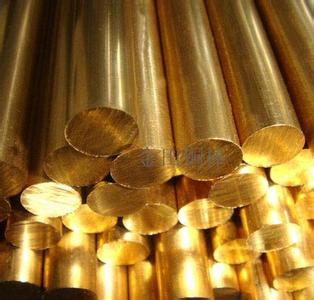
Types of Professional Copper Cleaning Agent: Meeting Different Cleaning Needs
Professional copper cleaning agent is not a one-size-fits-all solution-instead, it is formulated in a variety of types, each with unique chemical compositions, strengths, and limitations. The choice of agent depends on the type of contamination, the copper material (pure copper vs. alloy), and the application scenario (industrial vs. decorative). Below are the four most common types of professional copper cleaning agent, along with their uses and considerations.
Acidic Copper Cleaning Agent
Acidic copper cleaning agent is the most widely used type in professional settings, valued for its ability to quickly dissolve heavy tarnish and oxide layers. These agents work by leveraging the reactivity of acids to break down insoluble copper oxides into soluble salts, which can then be rinsed away with water. Acidic cleaners are categorized based on the type of acid they contain: inorganic acids (stronger, more corrosive) and organic acids (milder, less damaging).
Inorganic acid-based cleaners: These contain strong mineral acids like hydrochloric acid (HCl), sulfuric acid (H₂SO₄), or nitric acid (HNO₃). Hydrochloric acid, for example, reacts with copper oxide to form copper chloride (CuCl₂)-a soluble salt that dissolves in water-according to the equation: CuO + 2HCl → CuCl₂ + H₂O. Inorganic acid cleaners are highly effective for heavy-duty cleaning tasks, such as removing thick tarnish from industrial copper parts (e.g., heat exchanger tubes, electrical connectors) or restoring old copper pipes in plumbing systems. However, their strength comes with a caveat: they are highly corrosive and can etch the copper surface if not used correctly. For this reason, inorganic acid cleaners are often diluted with water (typically to a concentration of 5-15%) and used with corrosion inhibitors-additives that form a protective layer on the copper surface, preventing over-corrosion.
Organic acid-based cleaners: These use milder acids like citric acid, acetic acid (vinegar's main component), or oxalic acid. Citric acid, for instance, reacts with copper carbonate to form soluble copper citrate, which is non-toxic and easy to rinse. Organic acid cleaners are ideal for delicate copper surfaces, such as decorative fixtures, jewelry, or historical artifacts, as they are less likely to scratch or etch the metal. They are also safer for operators to handle, as they do not emit toxic fumes (unlike some inorganic acids) and are less likely to cause skin irritation. However, their mildness means they are less effective for heavy tarnish-cleaning may require longer soaking times or repeated applications. Organic acid cleaners are often preferred in residential or commercial settings where safety and surface protection are top priorities, such as cleaning copper countertops or decorative wall panels.
Regardless of the type, acidic copper cleaning agent should always be used with caution. Professionals must wear chemical-resistant gloves, goggles, and aprons to protect against skin and eye contact. Additionally, the cleaning area should be well-ventilated to avoid inhaling acid fumes, especially when using inorganic acids.
Alkaline Copper Cleaning Agent
Alkaline copper cleaning agent is primarily designed to remove organic contaminants like oil, grease, and wax, rather than heavy tarnish. These agents work through two key mechanisms: saponification and emulsification. Saponification is the process by which alkalis react with fats and oils to form soap (a soluble compound), while emulsification uses surfactants (surface-active agents) to break down oil droplets into tiny particles that can be washed away with water.
The main components of alkaline cleaners include strong bases like sodium hydroxide (NaOH, also known as lye), potassium hydroxide (KOH), and sodium carbonate (Na₂CO₃, or washing soda), combined with surfactants like sodium lauryl sulfate (SLS) or nonylphenol ethoxylates (NPEs). For example, sodium hydroxide reacts with grease (a mixture of triglycerides) to form soap and glycerol, which are both soluble in water: Triglyceride + 3NaOH → 3 Soap molecules + Glycerol.
Alkaline cleaners are particularly useful in pre-cleaning steps before applying acidic or chelating cleaners. For instance, if a copper part is contaminated with machine oil and tarnish, an alkaline cleaner will first remove the oil, allowing the subsequent acid cleaner to make direct contact with the tarnish layer (rather than being blocked by oil). This two-step process significantly improves cleaning efficiency. Alkaline cleaners are also suitable for cleaning copper alloys that are sensitive to acids, such as brass (which contains zinc, a metal that reacts strongly with acids).
However, alkaline cleaners have limitations: they are ineffective at removing heavy oxide layers or tarnish, and they can damage certain copper surfaces if left on too long. For example, prolonged exposure to strong alkalis can cause polished copper to lose its shine or form a dull, hazy film. To mitigate this, professionals often use milder alkaline cleaners (with a pH of 8-10, compared to 12-14 for strong alkalis) for delicate surfaces and strictly control soaking times (usually 5-10 minutes for most applications).
Chelating Copper Cleaning Agent
Chelating copper cleaning agent is a specialized type of cleaner designed to dissolve tarnish and oxides without corroding the copper base metal. Unlike acidic cleaners (which rely on chemical reactions to break down contaminants), chelating agents work by forming stable, soluble complexes with copper ions-effectively "grabbing" the metal ions from the tarnish layer and pulling them into solution.
The key ingredient in these cleaners is a chelating agent, a molecule with multiple binding sites that can attach to a single metal ion. Common chelating agents used in copper cleaning include ethylenediaminetetraacetic acid (EDTA), nitrilotriacetic acid (NTA), and citric acid (which acts as a mild chelating agent in addition to its acidic properties). EDTA, for example, forms a hexadentate complex with copper ions (meaning it binds to the ion at six different sites), creating a soluble compound that can be rinsed away. This process is gentle on copper, as it targets only the oxidized copper ions (in tarnish) and leaves the pure copper surface intact.
Chelating cleaners offer several advantages over acidic or alkaline cleaners: they are non-corrosive, making them safe for delicate surfaces like precision electronic components, decorative copper, or historical artifacts; they are effective at removing hard-to-dissolve contaminants like copper sulfide; and they can be used at room temperature, reducing energy costs. Many chelating cleaners also contain surfactants, which enhance their ability to remove oil and grease, making them multi-functional for mixed contamination.
However, chelating cleaners are often more expensive than acidic or alkaline cleaners, making them less ideal for large-scale industrial cleaning tasks. They also require longer soaking times (15-30 minutes for most applications) to fully dissolve tarnish, which can slow down cleaning processes. Despite these drawbacks, chelating cleaners are the preferred choice for applications where surface protection is critical, such as cleaning copper circuit boards (where even minor corrosion can render the board useless) or restoring antique copper jewelry.
Solvent-Based Copper Cleaning Agent
Solvent-based copper cleaning agent uses organic solvents as the primary cleaning component, designed to dissolve oil, grease, wax, and other organic contaminants. Unlike water-based cleaners (acidic, alkaline, chelating), solvent-based cleaners do not rely on chemical reactions-instead, they use the solvent's ability to dissolve organic materials (a property known as "like dissolves like").
Common solvents used in these cleaners include alcohols (e.g., isopropyl alcohol, ethanol), ketones (e.g., acetone, methyl ethyl ketone), esters (e.g., ethyl acetate), and hydrocarbons (e.g., mineral spirits, kerosene). Isopropyl alcohol, for example, is highly effective at dissolving oils and greases from copper electrical components, as it evaporates quickly (leaving no residue) and is non-conductive (reducing the risk of electrical damage). Acetone is stronger, capable of removing tough contaminants like epoxy resins or paint from copper surfaces, making it useful in manufacturing settings where copper parts are coated with protective films.
Solvent-based cleaners offer several benefits: they clean quickly (often requiring only a few minutes of wiping or soaking), they do not require rinsing (as most solvents evaporate completely), and they are effective at removing organic contaminants that are resistant to water-based cleaners. However, they also pose significant safety and environmental risks. Most organic solvents are highly flammable, requiring strict fire safety measures (e.g., no open flames, adequate ventilation) in the cleaning area. They are also volatile organic compounds (VOCs), which can contribute to air pollution and cause respiratory irritation in operators. For this reason, solvent-based cleaners are often restricted in areas with strict environmental regulations, and professionals must wear respiratory protection (e.g., N95 masks) when using them.
Another limitation of solvent-based cleaners is their ineffectiveness at removing inorganic contaminants like tarnish or oxide layers. They are therefore typically used as pre-cleaners to remove organic residues before applying an acidic or chelating cleaner to address tarnish.
The Selection of Professional Copper Cleaning Agent: Key Factors to Consider
Selecting the right copper cleaning agent is a critical decision that directly impacts cleaning effectiveness, copper integrity, and operational safety. Professionals must weigh several factors to ensure the chosen agent aligns with the specific needs of the task. Below are the four key factors to consider when selecting a professional copper cleaning agent.
The Type and Severity of Contamination
The first and most important factor is the type of contamination affecting the copper surface and its severity. As discussed earlier, contaminants fall into three main categories-surface dirt, chemical stains, and tarnish-and each requires a different cleaning agent.
Surface dirt (dust, light oil): For minor dust accumulation, a simple water-based cleaner with mild surfactants may suffice. For light oil or grease (e.g., fingerprints on decorative copper), a mild alkaline cleaner or solvent-based cleaner (like isopropyl alcohol) is ideal. These agents quickly dissolve organic residues without damaging the copper surface.
Chemical stains (acid/alkali salts, saltwater): Chemical stains require an agent that can neutralize or dissolve the reactive compounds causing the stain. For acid-based stains (e.g., sulfuric acid marks), a mild alkaline cleaner (with a pH of 8-9) can neutralize the acid and remove the stain. For alkali-based stains (e.g., sodium hydroxide residue), a dilute organic acid cleaner (like citric acid) is effective. Saltwater stains, which contain copper chloride, can be removed with a chelating cleaner, as the chelating agent binds to the chloride ions and lifts the stain.
Tarnish (light vs. heavy): Light tarnish (faint pink/brown cuprous oxide) responds to 3-5% citric acid (organic copper cleaning agent) or low-concentration EDTA chelators. For a lightly tarnished copper tea set, soak in room-temperature citric acid for 10-15 minutes, then wipe with a microfiber cloth.
Heavy tarnish (thick dark carbonate/sulfide) needs stronger agents. Industrial parts (heat exchangers, old pipes) use 5-10% hydrochloric acid with benzotriazole (BTA) corrosion inhibitor-soak 5-8 minutes to avoid damaging copper. Delicate items (antique sculptures) use 2-3% NTA chelating cleaner (20-30 minute soak) to preserve details.
The Material and Surface Condition of the Copper Product
Pure copper: Polished surfaces (mirrors, cookware) use 4% acetic acid or chelators to avoid dulling. Unpolished copper (art sheets) uses pH 9-10 alkaline cleaner for dirt, then light acid for tarnish.
Copper alloys: Brass (copper-zinc) avoids strong acids-use mild chelators or 2% citric acid + 1% sodium bicarbonate hybrid cleaner. Bronze with intact patina uses 1% EDTA to remove surface oxide; damaged patina uses 2-3% oxalic acid for stripping.
Surface finish: Brushed copper tolerates mild abrasive pastes; polished copper needs non-abrasive sprays (e.g., chelators) wiped with lint-free cloths.
3.3 Environmental and Safety Requirements
Environmental considerations: Solvent-based cleaners are restricted (high VOCs)-opt for water-based alternatives (plant-surfactant alkalis, GLDA biodegradable chelators). Neutralize acidic/alkaline wastewater to pH 6-8 (e.g., treat hydrochloric acid wastewater with sodium bicarbonate) before disposal.
Safety for operators: Strong inorganic acids require nitrile gloves, goggles, and acid-gas respirators. Organic/chelating cleaners are safer (low-toxic citric acid, mild EDTA) but need ventilation. Keep SDS handy for first aid/storage.
Cleaning Conditions and Cost
Cleaning conditions: No heating equipment? Use room-temperature chelators/organic acids. Ultrasonic tanks need low-foaming chelators; spray systems need low-viscosity alkalis (2% sodium carbonate). Urgent repairs use fast-acting inorganic acids (10-minute soak); non-urgent tasks (coin restoration) use gentle chelators.
Cost considerations: Inorganic acids are cheapest for heavy industrial use. Chelators are costly (avoid for large pipes). Organic acids (citric acid, $0.50/sq.m) balance cost and effectiveness for mid-range projects.

The Application Process of Professional Copper Cleaning Agent
Pre-Treatment
Dry clean: Use soft brushes/compressed air (20-30 psi) for large structures; microfiber cloths for small parts.
Protect vulnerable areas: Wrap wiring in waterproof tape; coat gemstone inlays with petroleum jelly.
Compatibility test: Test agent on inconspicuous areas (5 minutes) for discoloration.
Cleaning
Manual (small/delicate items): Dab chelators on tarnished jewelry (8-minute sit); use 5% citric acid paste on copper trays (gentle non-circular scrub).
Immersion (bulk small parts): Submerge in diluted acid/chelator (40-50°C for acids, room temp for chelators); agitate for 5-10 minutes (alkali first for oil, then acid for tarnish).
Spray (large/flat surfaces): Spray 40-50 psi alkalis (oil) or 20-30 psi acids (tarnish); section copper roofs (10-15 sq.ft) to prevent drying residue.
Ultrasonic (precision parts): Use 20-40 kHz waves with low-foaming chelators; clean 15-20 minutes for circuit boards/medical devices.
Rinsing
Initial rinse: Tap water (agitate 3-5 minutes for immersion; 50-60 psi spray 12-18 inches from surface).
Final rinse: Deionized water for precision/decorative items (2-minute soak) to avoid water spots.
Residue check: Use pH strips (6-8 = neutral); re-rinse if acidic/alkaline.
Post-Treatment
Drying: Wipe small parts with lint-free cloth; use cool hair dryers for large surfaces; oven dry (40-50°C) for bulk parts.
Anti-tarnish coating: Food-safe wax (beeswax) for cookware; BTA spray for industrial parts; acrylic lacquer (2 coats, 24-hour dry) for decor.
Maintenance: Monthly wax for humid-area copper; annual chelator treatment for industrial pipes.
Common Mistakes in Using Professional Copper Cleaning Agent
Overusing or Misconcentrating
Mistake: High-concentration acids (20% HCl) etch copper; undiluted chelators waste product.
Solution: Follow manufacturer dilution (3% for light tarnish, 10% for heavy); use measuring tools; start low-concentration.
Neglecting Rinsing or Drying
Mistake: Incomplete rinsing leaves alkali residue (white sodium carbonate); rushed drying causes water spots/oxidation.
Solution: Rinse twice (tap + deionized for critical items); confirm pH neutral; wipe dry immediately, use low-humidity areas/ovens.
Ignoring Alloy Compatibility
Mistake: Pure copper cleaners damage alloys (e.g., HCl dissolves brass zinc, leaving porous copper).
Solution: Match agent to alloy-brass uses mild chelators; bronze uses targeted EDTA/oxalic acid. Test on alloy scraps first.