

Self-heating food packs have become increasingly popular in recent years, offering a convenient way to enjoy hot meals on the go. But with this convenience comes a question: are they safe? The answer, like many things in life, is not a simple yes or no. It depends on various factors, including how they are designed, manufactured, and used.
To understand the safety of self-heating food packs, it's essential to first know how they work. Most of these packs rely on an exothermic chemical reaction. Typically, they contain a pouch of water and a separate compartment with calcium oxide (quicklime). When the two are mixed, a reaction occurs that produces calcium hydroxide and releases a significant amount of heat. This heat is then transferred to the food container, warming the contents.
One of the primary safety concerns with these packs is the risk of burns. The chemical reaction can generate temperatures as high as 200 degrees Fahrenheit (93 degrees Celsius) or more. If the packaging is damaged or not properly sealed, hot liquid or steam can escape, leading to severe burns on the skin. There have been reports of people suffering burns when the packs ruptured or when they mishandled the hot containers.
Another potential hazard is the release of harmful substances. While calcium oxide is generally considered safe, if the reaction is not controlled properly, it could produce toxic fumes. Additionally, some low-quality self-heating packs might use other chemicals that are more dangerous, increasing the risk of exposure to harmful substances.
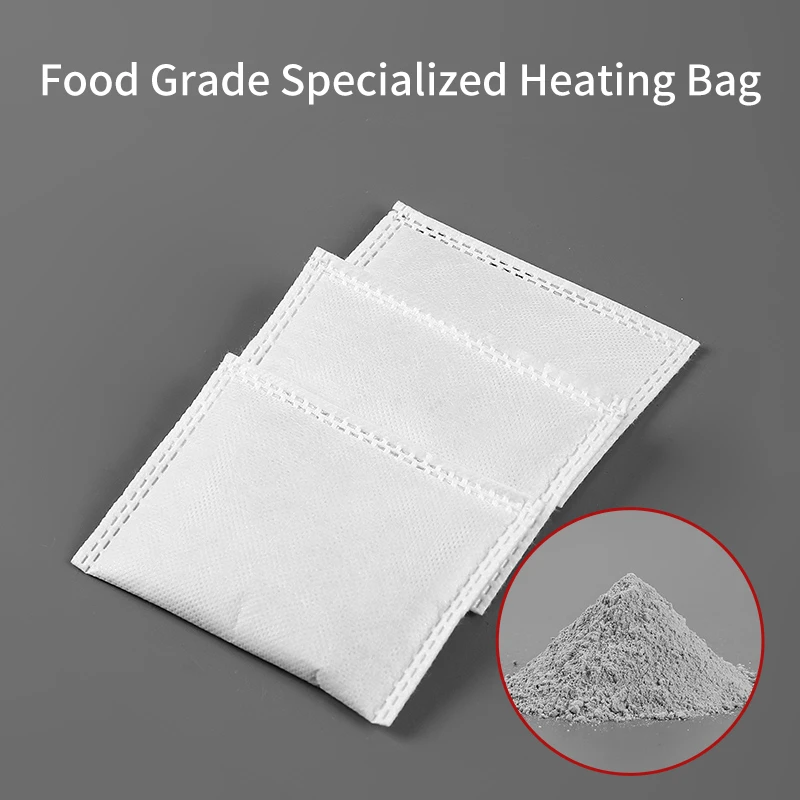
Manufacturing standards play a crucial role in determining the safety of these products. Reputable manufacturers adhere to strict quality control measures to ensure that the packs are properly sealed and that the chemicals used are of high quality. They also conduct rigorous testing to ensure that the packs function as intended without posing unnecessary risks. However, there are also cheaper, unregulated products on the market that may not meet these standards, making them more prone to accidents.

Proper usage is equally important for ensuring safety. Users must follow the instructions carefully. This includes not puncturing or damaging the packs, using them on a stable surface, and keeping them away from flammable materials. It's also essential to avoid touching the hot parts of the pack during and immediately after the reaction. Failure to follow these guidelines can significantly increase the risk of accidents.
Environmental concerns are another aspect to consider, although they are not directly related to immediate safety. The chemicals used in self-heating packs, especially calcium oxide, can be harmful to the environment if not disposed of properly. They can react with water in landfills, producing heat and potentially damaging the surrounding area. It's important for users to follow the disposal instructions provided with the packs to minimize their environmental impact.
Despite these potential risks, self-heating food packs can be safe when used correctly and purchased from reputable manufacturers. They undergo testing to ensure that they meet safety standards, and many come with warning labels and instructions to help users avoid accidents. For example, some packs have built-in safety features, such as pressure relief valves, to prevent them from rupturing if the pressure builds up too much.

In conclusion, the safety of self-heating food packs depends on a combination of factors, including their design, manufacturing, and usage. While there are potential risks, such as burns and the release of harmful substances, these can be minimized by following the instructions and purchasing from trusted brands. As with any product, it's important to be aware of the potential hazards and take appropriate precautions. With proper use, self-heating food packs can provide a convenient and safe way to enjoy hot meals wherever you are.