

Understanding Ethanol Basics
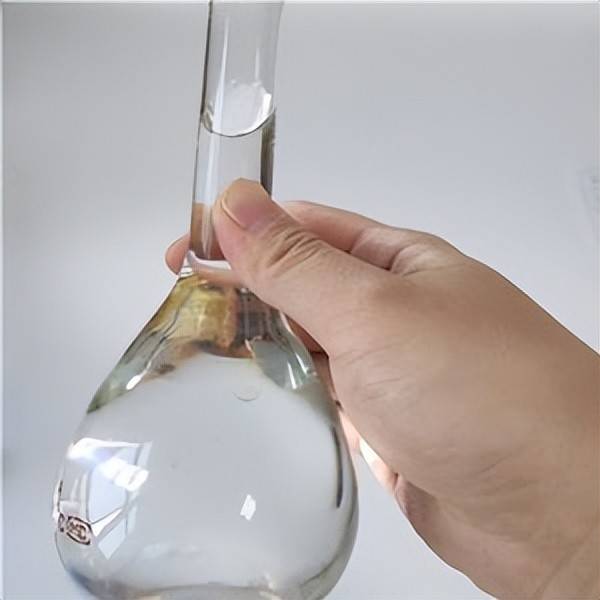
Ethanol, a clear liquid with a distinct alcoholic odor, is a versatile compound widely used in industries ranging from beverages to pharmaceuticals. Its chemical formula, C₂H₅OH, signifies a hydroxyl group attached to a two-carbon chain. This structure endows ethanol with unique properties, making it a valuable solvent and fuel component.
The production of ethanol primarily involves fermentation of sugars by yeast or through petrochemical processes. Its applications are diverse: as a disinfectant in healthcare, a fuel additive in transportation, and a solvent in laboratories. Understanding these foundational aspects is crucial before delving into the nuances of ethanol concentrations.

Defining Absolute Ethanol
Absolute ethanol refers to ethanol that is 99.5% pure or higher, with minimal water content. This high purity is achieved through rigorous purification processes, often involving dehydration techniques like azeotropic distillation or molecular sieves. The term "absolute" signifies its near complete separation from water, a feat challenging due to ethanol's tendency to form azeotropes with water at certain concentrations.
Absolute ethanol finds critical applications in scientific research, pharmaceuticals, and industrial processes where water presence could interfere with reactions or product quality. Its production demands careful control to ensure the highest purity standards are met, making it a premium product in the ethanol market.
Exploring 100% Ethanol
The concept of 100% ethanol is theoretically straightforward: it represents ethanol in its purest form, devoid of any water or other impurities. However, achieving this in practice is complex due to the physical and chemical properties of ethanol. At standard conditions, ethanol forms a constant-boiling mixture with water at approximately 95.6% ethanol by weight, making complete separation unattainable through simple distillation.
This limitation has led to the development of alternative methods to produce ethanol solutions that are as close to 100% as possible. These methods involve advanced techniques like azeotropic distillation with benzene or cyclohexane, or adsorption using molecular sieves, each with its own set of challenges and safety considerations.
Production Methods Compared
Traditional Distillation Limits
Standard distillation processes are inherently limited in producing high-purity ethanol due to the formation of azeotropes. An azeotrope is a mixture of liquids that vaporizes as a constant-boiling composition, preventing further separation through distillation. For ethanol and water, this occurs at approximately 95.6% ethanol by weight, leaving a residual water content that cannot be removed by conventional means.
This limitation necessitates the use of alternative methods for producing absolute or near-100% ethanol. The choice of method depends on factors such as required purity, production scale, and safety considerations, with each approach offering distinct advantages and drawbacks in terms of efficiency and cost.
Advanced Dehydration Techniques
To overcome the azeotrope barrier, advanced dehydration techniques have been developed. Azeotropic distillation involves adding a third component, such as benzene or cyclohexane, to break the azeotrope and allow complete separation of ethanol from water. While effective, this method raises safety concerns due to the toxicity of these additives.
Another approach is adsorption using molecular sieves, which selectively absorb water molecules from ethanol, leaving behind high-purity ethanol. This method is particularly useful for producing absolute ethanol for pharmaceutical and laboratory applications where additive-free ethanol is essential. Each technique has its specific applications and limitations, influencing their suitability for different industrial contexts.
Physical Properties Analysis
Boiling Point Differences
The boiling point of ethanol varies significantly with its concentration. Pure ethanol boils at 78.37°C, but when mixed with water, the boiling point changes due to the formation of azeotropes. At the standard azeotropic composition of 95.6% ethanol, the boiling point is 78.2°C, very close to pure ethanol's boiling point. However, as the ethanol concentration deviates from this point, the boiling point changes, with higher water content leading to higher boiling temperatures.
This variation in boiling points is crucial for distillation processes, as it affects the energy requirements and efficiency of separation. Understanding these properties allows for optimization of distillation columns and other purification equipment to achieve desired ethanol concentrations.
Density and Viscosity Variations
Ethanol's density and viscosity are also concentration-dependent. Pure ethanol has a density of 0.789 g/cm³ at 20°C, while water's density is 0.998 g/cm³ under the same conditions. As ethanol concentration decreases, the density of the solution increases due to the higher density of water. Similarly, viscosity decreases with increasing ethanol concentration, as ethanol is less viscous than water.
These physical properties are important for various applications, including fuel formulation and solvent selection, where flow characteristics and mixing behavior are critical factors. The variations in density and viscosity must be accounted for in industrial processes to ensure consistent product quality.

Chemical Properties Comparison
Reactivity Differences
The chemical reactivity of ethanol is influenced by its purity. Absolute ethanol, being free of water, can participate in reactions that water would interfere with or inhibit. For example, in esterification reactions, the presence of water can shift the equilibrium towards the reactants, reducing yield. Absolute ethanol is therefore preferred in such chemical synthesis processes.
In contrast, denatured ethanol, which contains additives to make it unsuitable for consumption, may have different reactivity profiles depending on the denaturants used. These differences in chemical behavior must be considered when selecting ethanol for specific applications, especially in pharmaceutical and fine chemical production.
Solvent Capabilities
The solvent capabilities of ethanol are also affected by its concentration. Absolute ethanol is a better solvent for non-polar compounds compared to hydrated ethanol, which may have reduced solubility for certain substances due to water's presence. This property is particularly important in applications like extraction processes in the food and pharmaceutical industries, where selective solubility is desired.
The choice between absolute and hydrated ethanol as a solvent depends on the specific requirements of the application, including the nature of the solutes and the desired outcome of the extraction or dissolution process.
Industrial Applications
Fuel Industry Uses
In the fuel industry, ethanol is primarily used as a biofuel additive to gasoline. The standard ethanol-gasoline blend, E10, contains 10% ethanol, which helps reduce greenhouse gas emissions compared to pure gasoline. Higher ethanol blends, such as E85 (85% ethanol), are used in flex-fuel vehicles but require modifications to engine design due to ethanol's different combustion properties.
The use of ethanol as a fuel additive is influenced by government policies and environmental regulations, which aim to reduce dependence on fossil fuels and decrease carbon emissions. The production and use of ethanol in fuels have significant economic and environmental implications, making it a key component in energy strategies worldwide.
Pharmaceutical Applications
In the pharmaceutical industry, absolute ethanol is preferred for drug production due to its high purity and lack of water, which could affect drug stability or efficacy. It is used as a solvent for active pharmaceutical ingredients (APIs) and as a cleaning agent for equipment. The stringent quality requirements for pharmaceutical-grade ethanol ensure that it meets safety and efficacy standards for medicinal use.
The pharmaceutical industry's reliance on high-quality ethanol underscores the importance of advanced purification methods to produce ethanol that is free from contaminants and suitable for use in medicines and healthcare products.
Safety Considerations
Handling Absolute Ethanol
Absolute ethanol is highly flammable and must be handled with care to prevent fire hazards. It should be stored in approved containers away from heat sources and open flames. Personal protective equipment, including gloves and safety goggles, should be worn when handling absolute ethanol to prevent skin contact and eye irritation.
In industrial settings, proper ventilation is essential to avoid accumulation of ethanol vapor, which can be explosive at certain concentrations. Safety protocols must be followed meticulously to ensure safe handling and storage of absolute ethanol.
Storage and Transport Guidelines
The storage and transport of absolute ethanol require adherence to specific guidelines to ensure safety. Storage containers should be made of materials compatible with ethanol, such as stainless steel or high-density polyethylene, and should be kept in cool, dry places away from direct sunlight.
During transport, ethanol must be classified as a hazardous material, and appropriate labeling and packaging should be used to comply with transportation regulations. Special precautions must be taken during loading and unloading to prevent spills and exposure to personnel.
Environmental Impact
Production Footprint
The production of ethanol, whether from agricultural crops or petrochemical sources, has significant environmental implications. Bioethanol production from crops like corn or sugarcane can lead to land use changes, water consumption, and greenhouse gas emissions, depending on agricultural practices and processing methods.
Petrochemical-based ethanol production relies on fossil fuels, contributing to carbon emissions and other environmental pollutants. The choice of production method and raw materials can significantly influence the environmental footprint of ethanol, making it a critical consideration in sustainability efforts.
Disposal and Degradation
When disposed of improperly, ethanol can pose environmental risks. It is biodegradable but can contaminate water sources if released in large quantities, affecting aquatic ecosystems. Proper disposal methods, such as controlled incineration or recycling, should be employed to minimize environmental impact.
The biodegradability of ethanol is influenced by its concentration and the presence of other substances. In natural environments, ethanol can be broken down by microorganisms, but this process must be managed responsibly to prevent negative ecological effects.