

Introduction
Sebacic acid, a long-chain dicarboxylic acid derived from castor oil, has gained attention in the skincare industry for its potential benefits. However, its effects on the skin are a topic of debate, with varying opinions among experts and consumers. This article aims to explore the properties of sebacic acid, its reported benefits for the skin, potential risks, and provide a balanced view on whether it is truly good for skin.
What is Sebacic Acid?
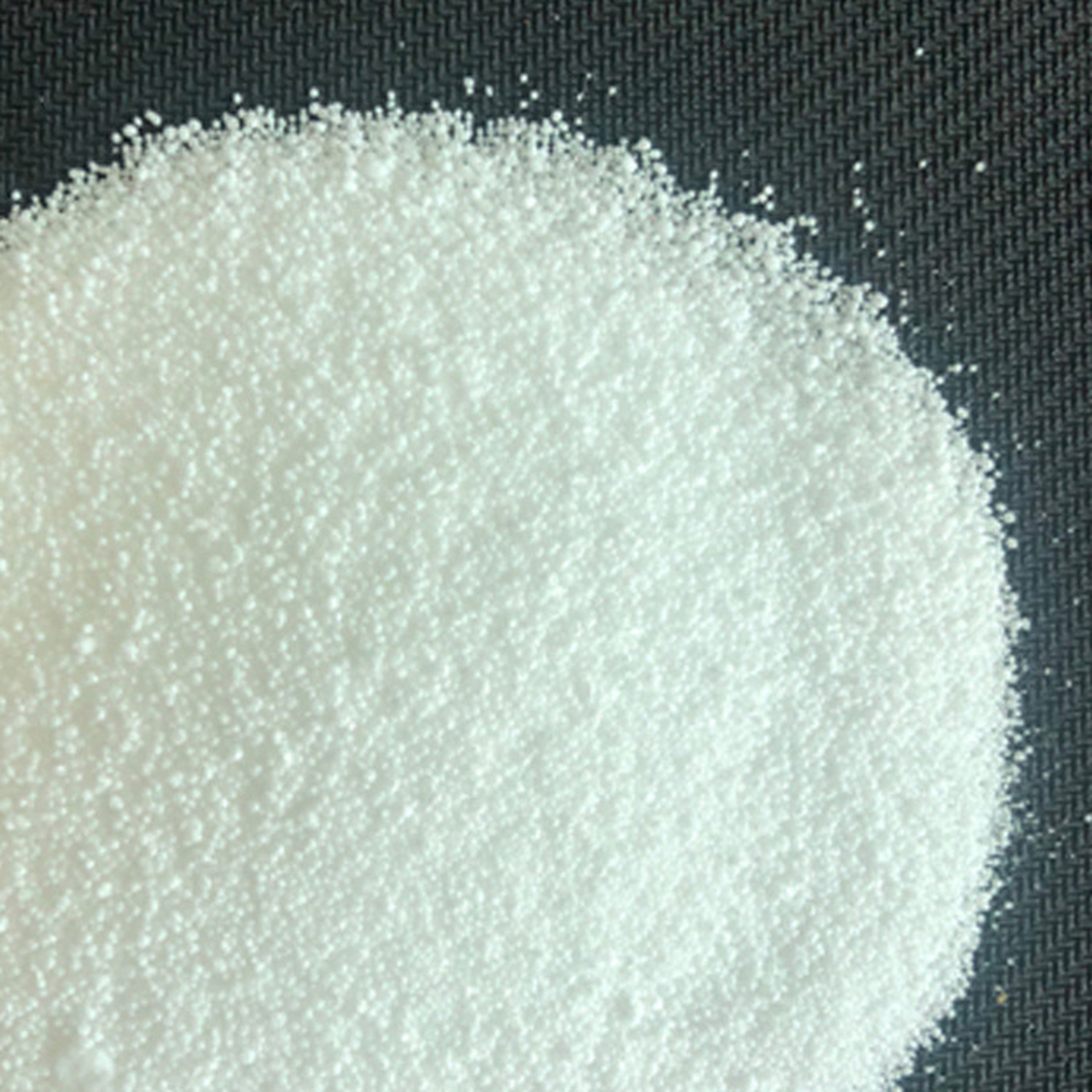
Sebacic acid, chemically known as decanedioic acid, has a molecular formula of C₁₀H₁₈O₄. It is a white crystalline powder that is soluble in organic solvents but has limited solubility in water. In the skincare realm, it is often used in the form of its esters, such as diisopropyl sebacate and dimethyl sebacate, which have better solubility and are more compatible with other skincare ingredients. These esters are commonly used as emollients, solvents, and thickeners in various cosmetic products, including creams, lotions, and serums.
Reported Benefits of Sebacic Acid for Skin
Moisturizing and Emollient Properties
One of the primary claims about sebacic acid is its moisturizing effect. As an emollient, the esters of sebacic acid can help to soften and smooth the skin by forming a protective barrier on the skin's surface. This barrier helps to prevent water loss from the skin, keeping it hydrated and supple. For individuals with dry skin, products containing sebacic acid esters may provide temporary relief from dryness and improve the skin's texture. Moreover, the emollient properties can make the skin feel more comfortable, especially in dry and cold environments where the skin is prone to becoming dry and itchy.
Acne-fighting Potential
There is some research suggesting that sebacic acid may have acne-fighting properties. It is believed to work by regulating sebum production and having antimicrobial effects. Excessive sebum production is a major contributor to acne, as it can clog pores and create an environment conducive to the growth of acne-causing bacteria. By potentially reducing sebum production, sebacic acid may help to prevent the formation of new acne lesions. Additionally, its antimicrobial properties may help to kill the bacteria that are associated with acne, further reducing the risk of breakouts. Some studies have shown promising results in vitro, but more clinical trials are needed to confirm these effects in humans.
Anti-aging Effects
Another potential benefit of sebacic acid is its anti-aging effects. It is thought to have antioxidant properties, which can help to protect the skin from damage caused by free radicals. Free radicals are unstable molecules that can damage skin cells and contribute to the aging process, such as the formation of wrinkles and fine lines. By neutralizing free radicals, sebacic acid may help to slow down the aging process and keep the skin looking younger. Additionally, there is some evidence to suggest that sebacic acid may stimulate collagen production, which is essential for maintaining the skin's elasticity and firmness. Collagen is a protein that gives the skin its structure and helps to prevent sagging and wrinkles.
Potential Risks and Concerns
Irritation and Sensitivity
While sebacic acid is generally considered safe for most people, some individuals may experience skin irritation or sensitivity when using products containing it. This is especially true for those with sensitive skin or those who are allergic to certain ingredients. The irritation can manifest as redness, itching, burning, or dryness. In some cases, it may even lead to more severe skin reactions, such as eczema or dermatitis. It is important to note that the concentration of sebacic acid in skincare products can vary, and higher concentrations may be more likely to cause irritation. Therefore, it is advisable to patch test a product before applying it to the entire face, especially if you have sensitive skin.
Comedogenicity
There is also a concern about the comedogenicity of sebacic acid esters. Comedogenic ingredients are those that have the potential to clog pores and cause acne. While some studies suggest that sebacic acid esters have a low comedogenicity rating, individual reactions can vary. For individuals with acne-prone skin, using products containing sebacic acid esters may increase the risk of breakouts. It is important to read the ingredient list of skincare products and avoid those that contain ingredients that are known to be comedogenic if you are prone to acne.
Environmental and Safety Considerations
From an environmental perspective, the production of sebacic acid from castor oil is generally considered sustainable, as castor plants are easy to grow and require relatively little water and pesticides. However, the use of synthetic sebacic acid derivatives in skincare products may have some environmental impacts, such as the release of chemicals into the environment during production and disposal. Additionally, the safety of sebacic acid in skincare products has been evaluated by regulatory agencies such as the Cosmetic Ingredient Review (CIR) Expert Panel. The CIR has concluded that sebacic acid and its esters are safe for use in cosmetics when used at current levels of concentration.

Who Should Use Sebacic Acid?
For Dry Skin
Individuals with dry skin may benefit from using products containing sebacic acid esters due to their moisturizing and emollient properties. These products can help to hydrate the skin and improve its texture, making it feel softer and smoother. However, it is important to choose products that are formulated for dry skin and to use them in conjunction with other skincare practices, such as drinking plenty of water and using a humidifier in dry environments.
For Acne-prone Skin
While the evidence is still emerging, individuals with acne-prone skin may want to consider products containing sebacic acid as part of their skincare routine, especially if they are looking for alternative acne-fighting ingredients. However, it is important to note that sebacic acid should not be used as a substitute for proven acne treatments, such as benzoyl peroxide or salicylic acid. It is also advisable to consult a dermatologist before adding a new ingredient to your skincare routine, especially if you have severe acne or other skin conditions.
For Aging Skin
Individuals concerned about aging skin may find products containing sebacic acid appealing due to its potential anti-aging effects. However, it is important to remember that sebacic acid is just one of many ingredients that can help to combat the signs of aging. A comprehensive anti-aging skincare routine should include sunscreen, antioxidants, and other ingredients that have been proven to be effective, such as retinol and peptides.

Who Should Avoid Sebacic Acid?
Individuals with Sensitive Skin
As mentioned earlier, individuals with sensitive skin may be more prone to experiencing irritation when using products containing sebacic acid. If you have a history of skin sensitivity or allergies, it is best to avoid products containing this ingredient or to patch test them before use.
Individuals with Oily Skin
While sebacic acid esters are generally lightweight and non-greasy, individuals with oily skin may prefer to avoid emollient ingredients, as they can sometimes make the skin feel greasy or 加重 oiliness. However, this is a matter of personal preference, and some individuals with oily skin may still find that products containing sebacic acid work well for them.
Conclusion
Sebacic acid and its esters have the potential to offer several benefits for the skin, including moisturizing, acne-fighting, and anti-aging effects. However, the evidence supporting these benefits is still limited, and more research is needed to confirm their efficacy in humans. Additionally, there are potential risks associated with using sebacic acid, such as irritation and comedogenicity, which should be taken into consideration. Ultimately, whether sebacic acid is good for your skin depends on your individual skin type, concerns, and tolerance. If you are interested in trying products containing sebacic acid, it is advisable to start with a small amount and patch test first. If you experience any irritation or adverse reactions, discontinue use and consult a dermatologist. As with any skincare ingredient, it is important to make informed decisions based on your own skin needs and consult with a professional.