

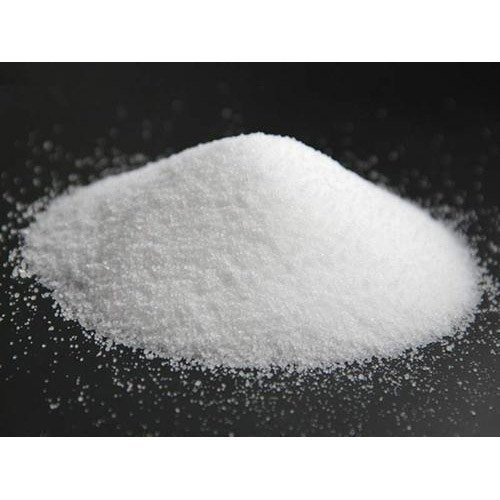
Sodium sulfate anhydrous, with the chemical formula Na₂SO₄, is a white, odorless, and crystalline solid that is widely used in various industries. Understanding its safety profile is crucial as it comes into contact with humans and the environment in different ways.
Chemical Properties and Reactivity
Sodium sulfate anhydrous is a relatively stable compound. It is highly soluble in water, dissociating into sodium (Na⁺) and sulfate (SO₄²⁻) ions. This dissociation is an important factor in its safety assessment. In general, it does not readily participate in violent chemical reactions under normal conditions. It is not flammable, explosive, or a strong oxidizing agent. This stability means that in typical storage and handling situations, the risk of sudden and dangerous chemical changes is low.
Industrial Applications and Safety in Workplace
One of the major uses of sodium sulfate anhydrous is in the paper industry. It is used in the Kraft process to recover sodium hydroxide, which is essential for breaking down wood chips into pulp. Workers in paper mills who handle this chemical need to take certain precautions. Although it is not highly toxic, direct contact with the eyes or skin can cause irritation. Fine dust particles of sodium sulfate anhydrous can be inhaled, potentially leading to respiratory tract irritation. Employers are required to provide proper personal protective equipment (PPE) such as goggles, gloves, and dust masks to minimize these risks. In industrial settings where large quantities are used, proper ventilation systems are installed to prevent the build-up of dust in the air.
Another significant application is in the production of detergents. Sodium sulfate anhydrous is added to detergents as a filler and to improve their flow properties. In detergent manufacturing plants, similar safety measures are in place. The handling and storage areas are designed to prevent spills and ensure that workers are not exposed to excessive amounts of the chemical.
Environmental Impact and Safety
When considering the safety of sodium sulfate anhydrous in the environment, its solubility becomes a key factor. If it is released into water bodies, the sodium and sulfate ions can dissolve. In small amounts, these ions are not likely to cause significant harm to aquatic life. In fact, sulfate is a natural component of many water sources. However, large-scale releases, for example, from industrial accidents or improper waste disposal, could potentially affect the water quality. High concentrations of sodium ions might alter the osmotic balance in aquatic organisms, while excessive sulfate could contribute to the formation of hydrogen sulfide gas under anaerobic conditions, which is toxic to many forms of life.
In soil, sodium sulfate anhydrous can also have an impact. It can increase the soil's salinity if present in large quantities. High soil salinity can be detrimental to plant growth as it makes it more difficult for plants to absorb water. This can lead to reduced crop yields in agricultural areas near industrial facilities that may release sodium sulfate into the surrounding soil.
Consumer Products and Safety
Sodium sulfate anhydrous is also found in some consumer products. For example, it may be present in certain cosmetics, toothpastes, and pharmaceuticals. In these applications, the amounts used are carefully regulated. In cosmetics, it is often used as a bulking agent. The safety of these products is extensively tested to ensure that the levels of sodium sulfate anhydrous do not pose a risk to consumers. When used in toothpastes, it can help with the texture and cleaning properties. As long as the product is formulated and used as directed, the risk of adverse effects is minimal. In pharmaceuticals, it may be used as an excipient, a substance that helps deliver the active ingredient. Regulatory bodies such as the FDA in the United States and the EMA in Europe set strict guidelines on the use of sodium sulfate anhydrous in these products to safeguard public health.
Toxicology and Health Effects
Studies on the toxicology of sodium sulfate anhydrous have shown that it has a relatively low toxicity. Acute toxicity tests in animals have indicated that large oral doses are required to cause significant harm. However, long-term exposure to high levels of sodium sulfate anhydrous, especially through inhalation in industrial settings, may lead to more serious health problems such as lung damage. Ingestion of extremely large amounts could potentially cause gastrointestinal distress, including nausea, vomiting, and diarrhea.
In conclusion, sodium sulfate anhydrous can be considered safe when used and handled properly. In industrial applications, strict safety measures can prevent worker exposure and environmental contamination. In consumer products, regulatory oversight ensures that the levels used are not harmful. While it has a low toxicity profile, it is still important to respect its properties and use it with caution to maintain both human health and environmental integrity.