

In the vast system of chemical substances, tetrasodium ethylenediaminetetraacetic acid (EDTA) occupies an important position due to its unique chemical properties and wide application value. As an efficient chelating agent, tetrasodium EDTA can tightly bind with various metal ions to form stable complexes, which makes it play a key role in many fields. From complex industrial production processes to sophisticated scientific research experiments, from the manufacturing of daily necessities related to people's livelihoods to cutting-edge medical technology applications, the presence of EDTA tetrasodium is ubiquitous. With the continuous advancement of technology and the continuous evolution of social demands, it is of great practical significance to have a deep understanding of the characteristics, applications, and future development trends of EDTA tetrasodium.
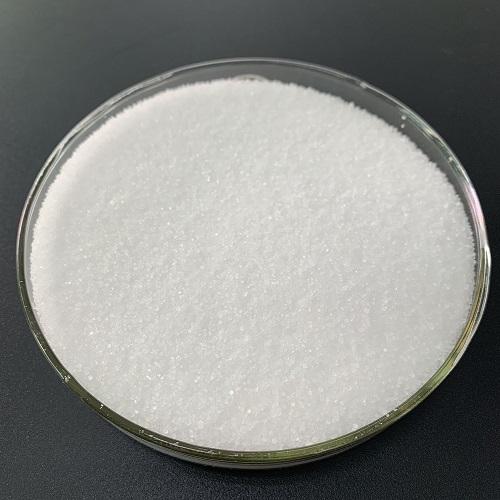
Characteristics of Tetrasodium Ethylenediaminetetraacetate
(1) Chemical Structure and Composition
Ethylenediaminetetraacetic acid tetrasodium contains a framework of ethylenediamine and four acetic acid groups in its molecular structure, and the hydrogen atoms in these acetic acid groups are replaced by sodium ions. This special structure endows EDTA tetrasodium with unique chemical activity, especially the nitrogen and carboxyl oxygen atoms in the molecule, which can provide lone pair electrons and form coordination bonds with metal ions, thereby exhibiting strong chelating ability.
(2) Physical properties
EDTA tetrasodium usually appears as a white crystalline powder, odorless and tasteless. It has good water solubility and can quickly dissolve in water at room temperature, forming a clear and transparent solution. Moreover, its aqueous solution is alkaline, which plays an important role in some application scenarios. Meanwhile, EDTA tetrasodium has a certain hygroscopicity and can absorb moisture from the air in humid environments, so it is important to keep it dry during storage.
(3) Chemical properties
Chelating effect: This is the most significant chemical property of EDTA tetrasodium. It can form stable complexes with various metal ions such as calcium, magnesium, iron, copper, zinc, etc. The stability constants of complexes formed between different metal ions and tetrasodium EDTA vary, which determines the chelating selectivity and ability of tetrasodium EDTA towards metal ions in different reaction systems. For example, the complex formed by EDTA tetrasodium and calcium ions has high stability, which enables it to effectively remove calcium ions from water and reduce water hardness in water softening treatment.
Stability: In general chemical environments, the chemical properties of EDTA tetrasodium are relatively stable. However, under strong acid or strong alkali conditions, its structure may undergo changes, thereby affecting its chelating ability. For example, in a strongly acidic environment, the carboxyl group in EDTA tetrasodium molecules may undergo protonation, leading to a decrease in their chelating ability with metal ions.
Application Fields of Tetrasodium Ethylenediaminetetraacetate
(1) Industrial sector
Water treatment: Tetrasodium EDTA plays an important role in industrial and domestic water treatment. It can form stable complexes with calcium and magnesium ions in water, thereby reducing the hardness of water and preventing the formation of scale. In industrial circulating water systems, the use of EDTA tetrasodium can effectively reduce scale deposition on the inner walls of pipelines and equipment, extend the service life of equipment, and improve energy utilization efficiency. At the same time, in boiler water treatment, adding EDTA tetrasodium can avoid problems such as reduced boiler thermal efficiency and pipeline corrosion caused by scale accumulation, ensuring the safe and stable operation of the boiler.
Textile printing and dyeing: In the textile printing and dyeing industry, metal ions in water often have a negative impact on the dyeing effect of dyes, leading to problems such as uneven dyeing and dull color. EDTA tetrasodium can chelate metal ions in water, eliminate their interference in the staining process, and ensure the uniformity and stability of staining. In addition, it can also be used in the pre-treatment and post-treatment processes of fabrics to remove residual metal impurities on the surface of the fabric, improve the quality and color brightness of the fabric.
Paper industry: During the papermaking process, metal ions in pulp can affect the quality of paper, such as causing yellowing and a decrease in strength. EDTA tetrasodium can bind with metal ions in pulp, remove these harmful impurities, and improve the whiteness, strength, and durability of paper. Meanwhile, in the process of recycling waste paper, EDTA tetrasodium is one of the important components of the de ink agent, which can effectively remove ink from waste paper, improve the recycling rate of waste paper, and reduce the cost of papermaking.
(2) Medical field
Heavy metal detoxification: Tetrasodium EDTA, as an effective metal ion chelating agent, has important applications in the treatment of heavy metal poisoning. For example, for patients with heavy metal poisoning such as lead, mercury, cadmium, etc., EDTA tetrasodium can complex with heavy metal ions in the body to form soluble complexes, which are excreted through urine to achieve detoxification. In clinical treatment, the use of EDTA tetrasodium requires strict control of dosage and treatment time to ensure treatment effectiveness while avoiding adverse effects on normal physiological functions of the human body.
Pharmaceutical preparations: In pharmaceutical preparations, tetrasodium EDTA is often used as an excipient to stabilize metal ions in the drug and prevent deterioration reactions such as oxidation and decomposition due to the catalytic effect of metal ions. For example, in some drugs containing metal ions, such as certain vitamin drugs, antibiotics, etc., adding an appropriate amount of EDTA tetrasodium can extend the shelf life of the drug, ensure the quality and efficacy of the drug.
(3) Food sector
Antioxidants: During food processing and storage, metal ions (such as iron, copper, etc.) can catalyze oxidation reactions of fats, vitamins, and other components in food, leading to food spoilage, flavor changes, and loss of nutrients. EDTA tetrasodium can chelate metal ions in food, inhibit the occurrence of these oxidation reactions, and thus play an antioxidant role. Adding an appropriate amount of EDTA tetrasodium to oily foods, beverages, canned foods, etc. can effectively extend the shelf life of the food and maintain its quality and taste.
Quality improver: In some food processing processes, EDTA tetrasodium can also be used as a quality improver. For example, in dairy processing, it can bind with calcium ions in milk, regulate the calcium content of milk, improve the texture and stability of dairy products, and prevent sedimentation, layering, and other phenomena in dairy products.
(4) In the field of analytical chemistry
In analytical chemistry experiments, tetrasodium EDTA is a commonly used chelating titrant. By utilizing its complexation reaction with metal ions, the content of metal ions in the solution can be accurately determined through titration. For example, in the complexometric titration experiment for determining the content of calcium and magnesium ions in water, EDTA tetrasodium is used as the standard solution, appropriate indicators are selected, and the concentration of calcium and magnesium ions in water can be accurately calculated by determining the titration endpoint. In addition, EDTA tetrasodium also plays an important role in the composition analysis of various metal ores, alloys, and other samples, helping analysts accurately determine the content of metal elements in the samples.
The Future Development of Tetrasodium Ethylenediaminetetraacetate
(1) Expansion of application fields
In the field of new energy: With the continuous deepening of global development and utilization of new energy, EDTA tetrasodium is expected to demonstrate new application value in the field of new energy. For example, in the production process of lithium-ion batteries, the preparation of electrode materials and the assembly of batteries require strict control over the purity and content of metal ions. EDTA tetrasodium can be used to remove impurity metal ions from electrode materials, improve the performance of electrode materials, and enhance the charging and discharging efficiency of batteries. In addition, in the manufacturing process of new energy equipment such as solar cells and fuel cells, EDTA tetrasodium may also play a role in material purification, surface treatment, and other aspects.
In the field of biotechnology and biopharmaceuticals, the application of EDTA tetrasodium may also be further expanded. For example, in the process of cell culture, in order to maintain the stability of the cell growth environment, it is necessary to strictly control the concentration of metal ions in the culture medium. EDTA tetrasodium can be used to regulate the metal ion content in the culture medium, providing a suitable environment for cell growth and proliferation. Meanwhile, in biotechnology experiments such as protein purification and genetic engineering, EDTA tetrasodium may also serve as an important reagent for removing impurity metal ions from protein or nucleic acid samples, improving the accuracy and reliability of experimental results.
(2) Research and development of green preparation technology
At present, the traditional preparation method of EDTA tetrasodium has some problems, such as low utilization of raw materials, cumbersome reaction steps, and the generation of a large amount of waste, which puts certain pressure on the environment. In the future, developing green and efficient preparation technologies will be an important direction for the development of EDTA tetrasodium. On the one hand, researchers will strive to develop new synthetic routes, use more environmentally friendly raw materials and catalysts, improve the conversion rate of raw materials and the purity of products, and reduce the generation of waste. On the other hand, by optimizing reaction conditions such as temperature, pressure, reaction time, etc., energy-saving and emission reduction of the reaction process can be achieved, and production costs can be reduced. For example, the microbial fermentation method is used to prepare EDTA tetrasodium, which utilizes the metabolic action of microorganisms to convert simple raw materials into EDTA tetrasodium. This method has the advantages of mild reaction conditions and environmental friendliness, and has broad development prospects.
(3) Optimization of product performance
With the continuous advancement of technology, the requirements for the performance of EDTA tetrasodium products are also increasing. In the future, researchers will further optimize the performance of EDTA tetrasodium through molecular structure modification, compounding techniques, and other means. For example, structural modification of EDTA tetrasodium molecules by introducing specific functional groups can alter their chelating ability and selectivity with metal ions, enabling them to better meet the needs of different application fields. Meanwhile, by compounding EDTA tetrasodium with other functional substances, a new type of product with synergistic effects has been developed, expanding its application scope and effectiveness.
Conclusion
Ethylenediaminetetraacetic acid tetrasodium plays an indispensable role in various fields such as industry, medicine, food, and analytical chemistry due to its unique chemical properties. With the continuous advancement of technology and the increasing diversity of social demands, EDTA tetrasodium will not only continue to deepen in existing application fields in the future, but also explore new application spaces in emerging fields such as new energy and biotechnology. At the same time, the research and development of green preparation technology and the optimization of product performance will also promote the development of the EDTA tetrasodium industry towards a more environmentally friendly, efficient, and high-quality direction. We believe that in the future, EDTA tetrasodium will continue to make greater contributions to the development and progress of human society, and we also look forward to more innovative applications and technological breakthroughs in EDTA tetrasodium.