

Understanding Stainless Steel Corrosion Resistance
The Role of Chromium Oxide Layer
Stainless steel's corrosion resistance stems from its chromium content forming a passive oxide layer. This invisible film acts as a barrier against environmental factors that cause rust and degradation. When this layer is compromised by mechanical damage, chemical exposure, or heat, the underlying metal becomes vulnerable to corrosion.
Maintaining Passive Layer Integrity
The integrity of this protective layer determines stainless steel hardware's longevity in various applications. Regular maintenance is crucial to preserve this shield, especially in components exposed to harsh conditions. Passivation paste offers a targeted solution for restoring and enhancing the natural defense mechanism.
What is Passivation Paste?
Chemical Composition and Function
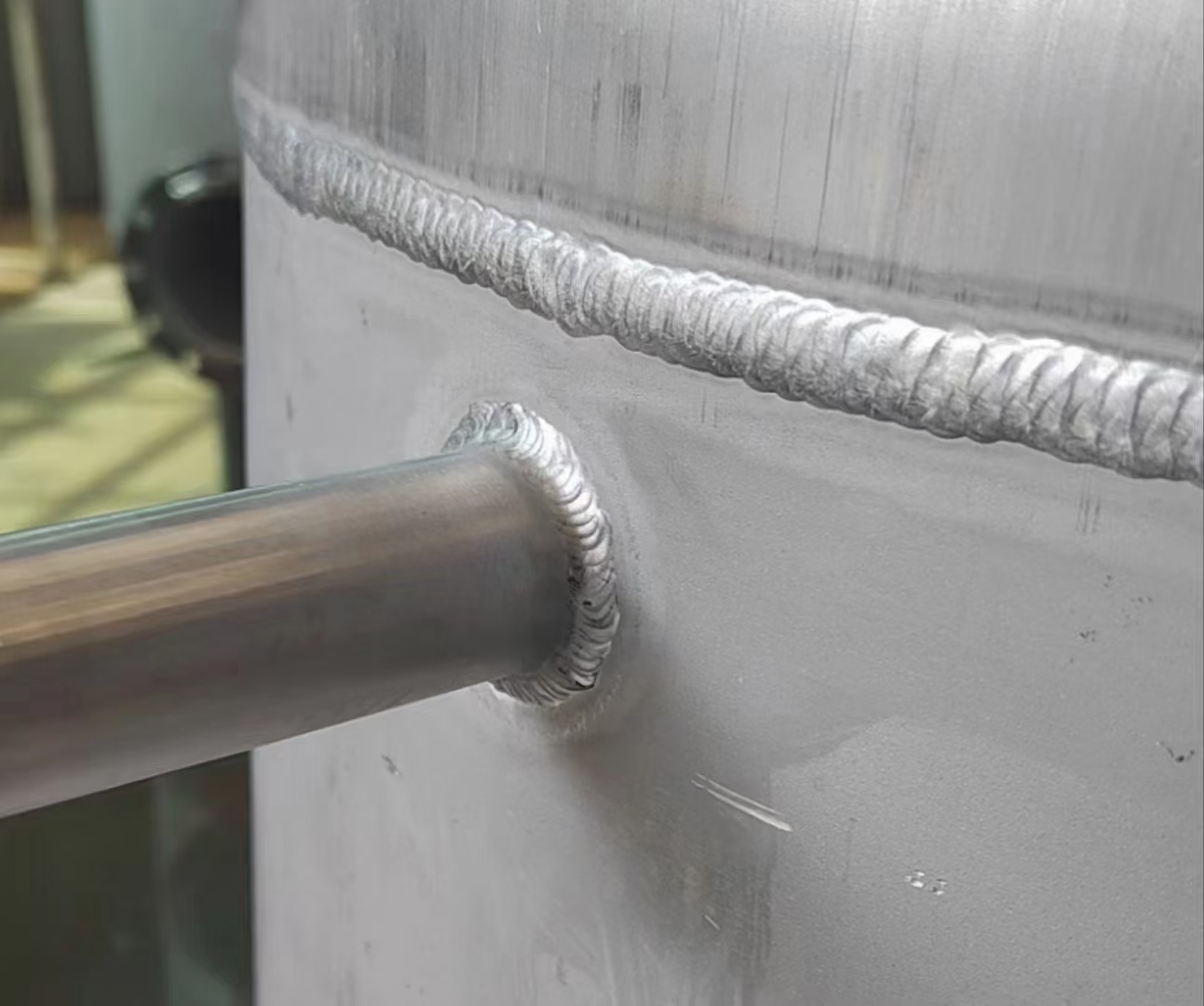
Passivation paste is a specialized formulation containing acids that remove surface contaminants and promote chromium oxide layer formation. Unlike general cleaners, it specifically targets embedded iron particles, weld scale, and heat tint without damaging the base metal.
Application Advantages
The paste's thick consistency allows vertical application on intricate hardware where liquid solutions might run off. This makes it ideal for complex components like threaded fasteners and welded joints, ensuring complete coverage and effective treatment.
How Passivation Paste Works
Two-Stage Process Mechanism
The passivation process occurs in stages: surface cleaning and oxide layer regeneration. Initially, acidic components dissolve contaminants through chemical etching, removing embedded iron particles that can cause galvanic corrosion.
Oxide Layer Regeneration
In the second stage, the paste creates an environment where chromium atoms react with oxygen to form a new passive layer. This self-healing mechanism is vital for maintaining corrosion resistance in hardware exposed to moisture or chemicals.
Benefits of Using Passivation Paste
Targeted Surface Treatment
Passivation paste allows precise application on hardware components without affecting surrounding materials. Its thick consistency ensures complete coverage on complex geometries, including tight spaces and intricate designs.
Safety and Efficiency Compared to Alternatives
Compared to liquid passivation methods, the paste reduces chemical waste and improves safety during application. It's particularly effective for field maintenance of installed hardware where disassembly isn't practical.
When to Use Passivation Paste
Post-Fabrication Applications
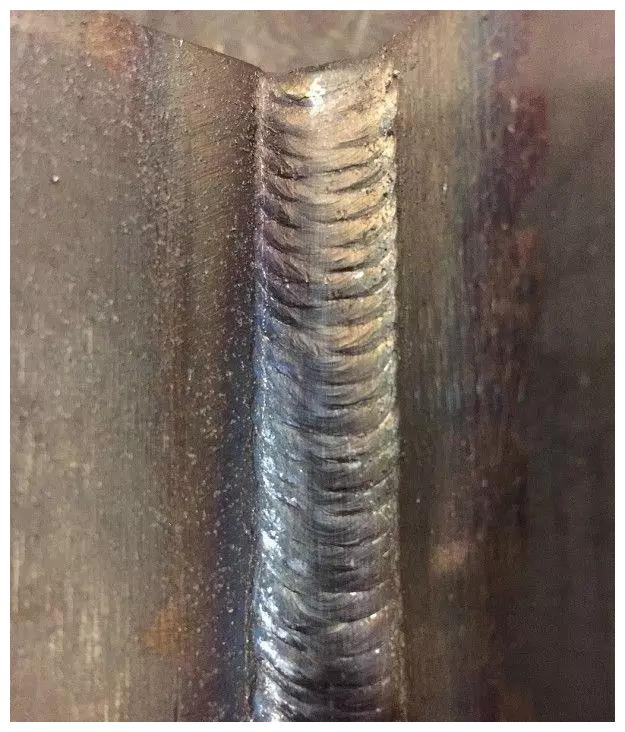
Use the paste after any surface alteration that compromises the passive layer, such as welding, machining, or grinding operations. These processes leave heat-affected zones or embedded iron particles that reduce corrosion resistance.
Maintenance Schedule Integration
For maintenance applications, incorporate the paste into regular intervals for hardware exposed to harsh environments. This includes marine equipment, chemical processing components, and outdoor architectural elements.
Surface Preparation for Passivation
Cleaning and Contaminant Removal
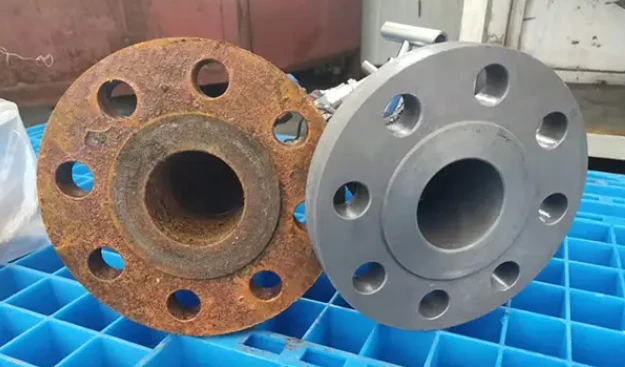
Start by thoroughly cleaning hardware to remove oil, grease, and loose contaminants using mild detergents or solvents. For welded components, grind down oxidation layers and heat tints to expose clean metal surfaces before application.
Inspection and Repair
Inspect hardware for deep scratches or pitting that might require mechanical repair before passivation. Ensure surfaces are dry to prevent paste dilution, maximizing contact between the chemical and metal surface.
Application Techniques for Hardware
Proper Application Methods
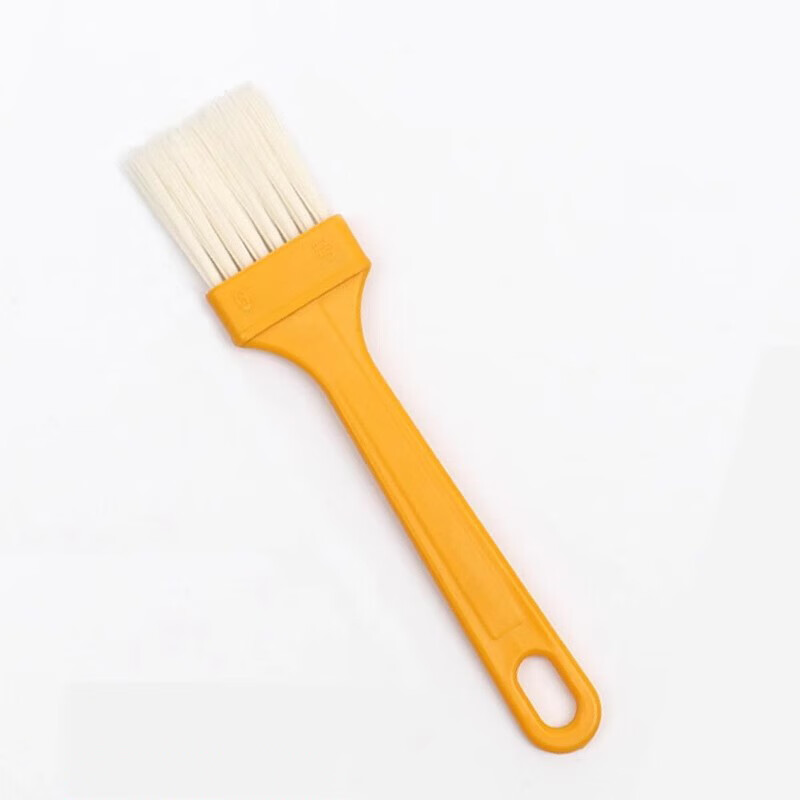
Apply passivation paste using non-metallic tools to avoid contamination. Spread a uniform layer over the entire surface with a brush or gloved hand, ensuring complete coverage of all hardware features. For large components, work in sections.
Reaction Time and Rinsing
Allow the paste to react for 30-60 minutes before rinsing, observing color changes indicating chemical activity. For intricate hardware, use a brush to work paste into tight spaces. Rinse thoroughly with clean water after treatment.
Safety Considerations During Use
Personal Protective Equipment
When handling passivation paste, wear chemical-resistant gloves, goggles, and protective clothing. Work in well-ventilated areas to avoid inhaling fumes, and keep away from other metals to prevent galvanic reactions.
Storage and Disposal
Store containers tightly closed when not in use. In case of skin contact, rinse immediately with water. Avoid mixing with other chemicals unless recommended. Neutralize spent paste before disposal according to environmental regulations.
Comparing Passivation Paste Alternatives
vs Liquid Passivation Solutions
Passivation paste offers better control over application thickness and reduces chemical waste compared to liquid methods. Its effectiveness on vertical surfaces makes it more practical than dipping for installed hardware.
vs Electropolishing and Mechanical Polishing
Electropolishing requires specialized equipment but provides aggressive treatment. Mechanical polishing improves appearance but doesn't restore corrosion resistance. For maintenance, paste's simplicity and effectiveness make it the preferred choice.
Maintaining Passivated Hardware
Post-Treatment Care
After passivation, implement a regular maintenance schedule. Avoid steel brushes or tools that can scratch surfaces. Use non-abrasive materials and mild detergents when cleaning passivated hardware.
Inspection and Reapplication
Periodically inspect hardware for early corrosion signs, especially in high-stress areas. Reapply passivation paste during scheduled maintenance intervals to ensure continued protection. Store hardware in dry conditions between uses.
Troubleshooting Common Issues
Inconsistent Results Solutions
If passivation results appear inconsistent, verify surface preparation quality. Inadequate cleaning is a frequent cause of poor outcomes. For streaking or uneven coverage, ensure proper application thickness and sufficient reaction time.
Corrosion Reoccurrence Handling
Hardware showing corrosion shortly after treatment may indicate incomplete passivation. Check for proper coverage and consider environmental factors like chloride exposure. For severe damage, mechanical restoration may be necessary before re-passivation.
Industry Standards for Passivation
ASTM and AMS Specifications
ASTM A380 outlines general requirements for cleaning and passivating stainless steel parts. AMS 2700 provides specific protocols for chemical passivation in aerospace applications, ensuring consistent quality and performance.
ISO Guidelines for Water Contact
ISO 15797 offers guidance for passivation of stainless steels in contact with drinking water. Following these standards ensures compliance with industry specifications for various hardware applications.
Environmental Impact Considerations
Eco-Friendly Formulations
Modern pastes are formulated with environmental responsibility in mind, offering biodegradable options. Proper application techniques minimize chemical waste generation during hardware treatment.
Waste Management Practices
Neutralize spent paste before disposal to prevent environmental harm. Some formulations incorporate recycled materials in packaging, supporting sustainable maintenance practices.
Cost-Effectiveness Analysis
Long-Term Savings Potential
While passivation paste represents an additional cost, it extends hardware lifespan significantly. Compared to replacement costs for corroded components, preventive passivation offers excellent return on investment through reduced downtime and repairs.
Operational Efficiency Improvements
The paste's efficient application method reduces labor time compared to alternatives. Bulk purchasing options and proper storage extend shelf life, making it economical for high-volume maintenance operations.
Future Developments in Passivation Technology
Advanced Formulation Innovations
Ongoing research focuses on improved paste formulations with accelerated curing times and enhanced effectiveness on complex geometries. Nano-enhanced formulations show promise for creating more durable passive layers.
Environmentally Conscious Solutions
New developments include water-based formulations gaining popularity for reduced ecological impact. Smart packaging innovations improve application convenience and extend shelf life, advancing maintenance technology.