

Windshield fogging is a common and potentially dangerous issue for drivers, especially during cold winters, rainy seasons, or when there's a significant temperature difference between the inside and outside of the vehicle. Fog forms when water vapor in the air condenses on the cool surface of the windshield, creating a hazy layer that obscures visibility. This not only slows down driving reactions but also increases the risk of accidents. To solve this problem, many drivers wonder: What can I spray on my windshield to prevent fogging?
In this article, we will explore various effective spray solutions, with a particular focus on Automotive anti fog agent-the most specialized and reliable option for long-term fog prevention. We will break down the types of sprays, how they work, how to use them correctly, and how to choose the right product for your needs. By the end, you will have a comprehensive understanding of windshield fog prevention and be able to keep your view clear in any weather condition.
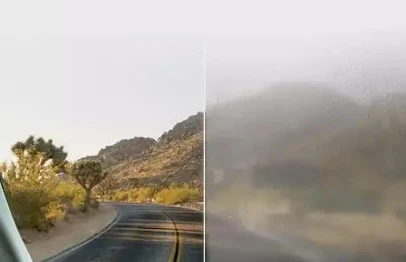
Common DIY Sprays for Temporary Windshield Fog Prevention
Before diving into specialized products, it's useful to know about do-it-yourself (DIY) sprays that can provide temporary fog protection. These solutions are often made from household ingredients, making them convenient and cost-effective for emergency use. However, they typically last only a few hours to a day and may not be as effective as Automotive anti fog agent in harsh conditions.
Vinegar and Water Spray
Vinegar is a popular household item with natural anti-fog properties, thanks to its acidic composition that breaks down water droplets and prevents condensation. To make this spray:
Mix 1 part white vinegar with 3 parts distilled water in a clean spray bottle.
Shake the bottle well to ensure the solution is evenly combined.
Before use, clean the windshield thoroughly to remove dirt, oil, or old residue-this helps the vinegar solution adhere better.
Spray a light, even layer on the inside of the windshield.
Use a clean microfiber cloth to wipe the solution in a circular motion until the glass is dry and streak-free.
This DIY spray works well for mild fogging situations, such as short commutes in slightly cool weather. However, it has two main limitations: first, the strong vinegar smell may be unpleasant for some drivers, especially in a closed car; second, its effectiveness fades quickly when exposed to high humidity or heavy rain, making it less reliable than Automotive anti fog agent for long trips or extreme weather.
Rubbing Alcohol and Water Spray
Rubbing alcohol (isopropyl alcohol) is another effective DIY option, as it lowers the surface tension of water, preventing it from forming fog on the windshield. It also dries quickly, reducing the risk of streaks. To make this spray:
Mix 2 parts rubbing alcohol (70% or 91% concentration) with 1 part distilled water.
Add a few drops of liquid dish soap (unscented, mild) to the mixture-this helps the solution spread evenly and improves its adhesion to the glass.
Pour the solution into a spray bottle and shake gently.
Clean the windshield first, then spray a thin layer on the inside.
Wipe dry with a microfiber cloth, using straight, horizontal strokes to avoid streaks.
Compared to the vinegar spray, the rubbing alcohol solution has a milder smell and lasts a bit longer (up to 24 hours in normal conditions). It's also more effective in colder temperatures, as alcohol has a lower freezing point, preventing the solution from turning into ice on the windshield. However, like all DIY sprays, it cannot match the durability and performance of Automotive anti fog agent, especially in situations where the car is exposed to constant moisture (e.g., driving through a rainstorm for hours).
Automotive Anti Fog Agent: The Professional Solution for Long-Term Fog Prevention
When temporary DIY sprays aren't enough, Automotive anti fog agent is the go-to choice for drivers who need consistent, long-lasting fog protection. Unlike household solutions, these products are specifically formulated to bond with the windshield's surface, create a hydrophilic (water-attracting) or hydrophobic (water-repelling) layer, and resist wear from wiper blades, dust, and moisture. In this section, we will explore how Automotive anti fog agent works, its different types, and why it's superior to DIY alternatives.
How Automotive Anti Fog Agent Works
To understand why Automotive anti fog agent is effective, it's important to first grasp the science of fog formation. Fog occurs when warm, humid air inside the car comes into contact with a cool windshield. The cold glass causes the water vapor in the air to condense into tiny water droplets, which cluster together to form a foggy layer. These droplets scatter light, making it hard for drivers to see through the glass.
Automotive anti fog agent solves this problem by modifying the windshield's surface properties in one of two ways:
Hydrophilic Formulas: Most automotive anti-fog agents use hydrophilic (water-loving) ingredients, such as polymers or surfactants. When applied to the glass, these ingredients form a thin, invisible film that attracts water droplets. Instead of clustering into fog, the water spreads out evenly across the surface, forming a transparent "sheet" of water that doesn't obscure visibility. This is particularly useful for the inside of the windshield, where condensation is most common.
Hydrophobic Formulas: Some Automotive anti fog agent products (often designed for the outside of the windshield) use hydrophobic (water-repelling) technology. These formulas create a barrier that repels water, causing droplets to roll off the glass quickly-similar to how water beads off a waxed car. While hydrophobic agents are more commonly associated with rain protection, they also prevent fog by reducing the amount of water that can adhere to the windshield's surface.
In addition to modifying surface tension, Automotive anti fog agent often contains ingredients that resist degradation. For example, many products include UV protectants to prevent the formula from breaking down in sunlight, and anti-static agents to repel dust (which can trap moisture and cause fog). These additives help the anti-fog layer last for weeks or even months, far longer than DIY sprays.
Types of Automotive Anti Fog Agent
Not all Automotive anti fog agent products are the same-they come in different forms and formulations to suit various needs and preferences. Understanding the different types can help you choose the right product for your vehicle and driving conditions.
Spray-On Automotive Anti Fog Agent
Spray-on products are the most common type of Automotive anti fog agent, as they are easy to apply and work on both the inside and outside of the windshield. They typically come in small, portable spray bottles (50-100ml) for convenience, or larger bottles (250ml+) for frequent use.
Spray-on anti-fog agents can be further divided into two categories:
Aerosol Sprays: These use compressed gas to dispense the formula as a fine mist. Aerosol sprays are ideal for covering large areas quickly and evenly, as the mist adheres to the glass without leaving streaks. However, they may contain propellants that can be harmful if inhaled in large quantities, so it's important to use them in a well-ventilated area (e.g., open the car doors while applying).
Pump Sprays: These use a manual pump to dispense the solution. They are more eco-friendly than aerosols (no propellants) and allow for more control over the amount of product applied. Pump sprays are a good choice for drivers who prefer a more precise application, such as targeting specific areas of the windshield that fog up most often (e.g., the corners).
Most spray-on Automotive anti fog agent products are designed for interior use, but some are dual-purpose (interior and exterior). Exterior spray-on agents often have added hydrophobic properties to repel rain and snow, making them useful for all-weather protection.
Wipe-On Automotive Anti Fog Agent
Wipe-on Automotive anti fog agent comes in the form of pre-moistened wipes or a liquid solution that is applied with a included microfiber cloth. These products are ideal for drivers who want to avoid over-spraying and ensure a streak-free finish, as the wipe allows for direct, controlled application.
Pre-moistened anti-fog wipes are particularly convenient for on-the-go use-you can keep a pack in your glove box and use them quickly before a drive. They are also great for cleaning small areas, such as the rearview mirror or side windows, which can also fog up. Liquid wipe-on solutions, on the other hand, are more cost-effective for large windshields, as you can pour a small amount onto the cloth and cover the entire glass surface.
Wipe-on Automotive anti fog agent typically has a thicker formula than spray-on products, which helps it bond more strongly to the glass. This means it often lasts longer (up to 6-8 weeks with regular use) than spray-on options. However, it does take a bit more time to apply, as you need to wipe the solution into the glass in circular motions to ensure full coverage.
Gel-Based Automotive Anti Fog Agent
Gel-based Automotive anti fog agent is a less common but highly effective option, especially for windshields with irregular surfaces or those that are prone to heavy fogging (e.g., in very cold climates). Gels have a thicker consistency than sprays or wipes, which allows them to adhere better to the glass and create a more durable anti-fog layer.
To use a gel-based anti-fog agent:
Squeeze a small amount of gel onto a clean microfiber cloth (about the size of a dime for a standard windshield).
Rub the gel into the inside of the windshield using firm, circular motions, covering the entire surface.
Let the gel sit for 1-2 minutes to bond with the glass.
Wipe off any excess gel with a dry part of the cloth until the glass is clear and streak-free.
Gel-based products are known for their long-lasting effectiveness-some can protect against fog for up to 3 months with proper application. They are also resistant to wear from wiper blades and can withstand frequent cleaning (e.g., wiping the windshield with a cloth to remove dust). However, they are more expensive than spray-on or wipe-on products, and the thick consistency can make them harder to apply evenly if you're not careful.
Why Automotive Anti Fog Agent Is Superior to DIY Sprays
While DIY sprays are convenient for emergencies, Automotive anti fog agent offers several key advantages that make it the better choice for long-term fog prevention:
Longer Durability: As mentioned earlier, DIY sprays last only a few hours to a day, while Automotive anti fog agent can last for weeks or months. This means you don't have to reapply the product every time you drive, saving you time and effort.
Better Performance in Extreme Conditions: DIY sprays often fail in high humidity, heavy rain, or very cold temperatures. Automotive anti fog agent, however, is formulated to withstand these conditions-hydrophilic formulas keep the inside of the windshield clear even when the car is filled with moist air (e.g., from wet coats or passengers breathing), while hydrophobic formulas repel rain and snow from the outside.
No Streaks or Residue: DIY sprays (especially vinegar-based ones) can leave streaks or a sticky residue on the windshield, which can actually worsen visibility in sunlight. Automotive anti fog agent is designed to dry clear and streak-free, and most products are non-sticky, so they don't attract dust.
Added Benefits: Many Automotive anti fog agent products include extra features, such as UV protection (to prevent the windshield from fading or cracking), anti-static properties (to repel dust), or even a mild cleaning agent (to remove light dirt and grime). These benefits make the product more versatile than DIY sprays.
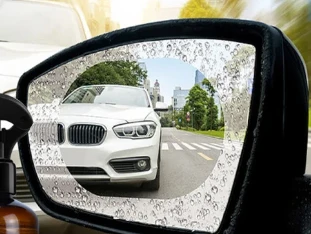
How to Use Automotive Anti Fog Agent Correctly for Maximum Effectiveness
Even the best Automotive anti fog agent won't work well if it's not applied correctly. Improper application can lead to streaks, uneven coverage, or a short-lived anti-fog layer. In this section, we will walk you through the step-by-step process of applying Automotive anti fog agent to the inside and outside of your windshield, as well as tips for maintaining its effectiveness.
Preparing the Windshield for Application
Before applying Automotive anti fog agent, it's crucial to clean the windshield thoroughly. Any dirt, oil, or old residue on the glass will prevent the anti-fog formula from bonding properly, leading to uneven coverage and reduced effectiveness. Here's how to prepare the windshield:
3.1.1 Cleaning the Inside of the Windshield
The inside of the windshield is where fog forms most often, so it's important to remove all traces of dirt, oil, and nicotine (if you smoke) before applying Automotive anti fog agent:
Dust the Surface: Use a dry microfiber cloth to wipe away loose dust and debris from the inside of the windshield. Avoid using paper towels, as they can leave lint.
Use a Glass Cleaner: Spray a small amount of ammonia-free glass cleaner onto a clean microfiber cloth (never spray directly onto the windshield, as the cleaner can seep into the dashboard and damage it). Wipe the inside of the windshield in horizontal strokes, starting from the top and working your way down. Pay special attention to the corners and the area around the rearview mirror, which are often overlooked.
Remove Oil and Residue: If there's a greasy film on the windshield (common from fingerprints or dashboard plastics), mix a small amount of mild dish soap with warm water and use a soft sponge to gently scrub the surface. Rinse the sponge with clean water and wipe away the soap, then dry the windshield with a microfiber cloth.
Let It Dry Completely: Allow the inside of the windshield to air dry for 5-10 minutes, or use a dry microfiber cloth to speed up the process. The glass must be completely dry before applying Automotive anti fog agent-moisture will dilute the formula and prevent it from adhering.
Cleaning the Outside of the Windshield
While fog forms mainly on the inside, the outside of the windshield can also fog up in certain conditions (e.g., cold mornings with dew). Cleaning the outside before applying Automotive anti fog agent (if using a dual-purpose product) ensures maximum adhesion:
Rinse with Water: Use a garden hose or a bucket of water to rinse the outside of the windshield, removing loose dirt and debris.
Wash with Soap and Water: Mix a few drops of car wash soap with warm water and use a soft wash mitt to clean the windshield in circular motions. Avoid using harsh detergents (e.g., laundry soap), as they can damage the glass or any existing coatings (e.g., tinting).
Rinse Thoroughly: Rinse the windshield with clean water to remove all soap residue.
Dry with a Squeegee or Microfiber Cloth: Use a rubber squeegee to remove excess water, then dry the glass with a clean microfiber cloth to prevent water spots.
3.3 Applying Automotive Anti Fog Agent to the Outside of the Windshield
If you're using a dual-purpose Automotive anti fog agent (for interior and exterior), follow these steps for the outside of the windshield:
Ensure the Windshield Is Dry: As with the interior, the outside of the windshield must be completely dry before applying the product. Water will dilute the formula and prevent it from adhering.
Apply the Product:
For Spray-On Agents: Hold the bottle 8-10 inches away from the windshield and spray a thin, even layer. Focus on the areas that are most exposed to rain or dew (e.g., the center of the windshield). Avoid spraying too heavily-excess product can leave a cloudy film that's hard to remove. For large windshields, work in small sections (e.g., top-left, top-right, bottom-left, bottom-right) to ensure even coverage.
For Wipe-On Agents: Use a separate clean microfiber cloth (do not reuse the cloth used for the interior, as it may have collected dirt) to apply the product. For pre-moistened wipes, gently wipe the outside glass in vertical strokes-this helps the formula bond better with the direction of wiper blade movement. For liquid wipe-on solutions, pour a small amount onto the cloth and rub it into the glass using circular motions, ensuring no spots are missed.
For Gel-Based Agents: Exterior use of gel-based Automotive anti fog agent is less common, but if your product is suitable, apply a tiny amount (half the size used for the interior) to a microfiber cloth. Rub it into the outside windshield with light pressure-too much pressure can cause the gel to leave streaks.
Allow It to Cure: Let the Automotive anti fog agent cure on the outside windshield for 5-10 minutes (follow the manufacturer's instructions, as some products may require longer). During this time, avoid touching the glass or turning on the windshield wipers, as this can disrupt the bonding process.
Buff the Surface: Use a dry, lint-free microfiber cloth to buff the outside windshield in straight strokes. This removes any excess product and activates the hydrophobic properties of the formula, ensuring water droplets roll off easily. If you notice any streaks, dampen a corner of the cloth with a small amount of water and gently buff the affected area.
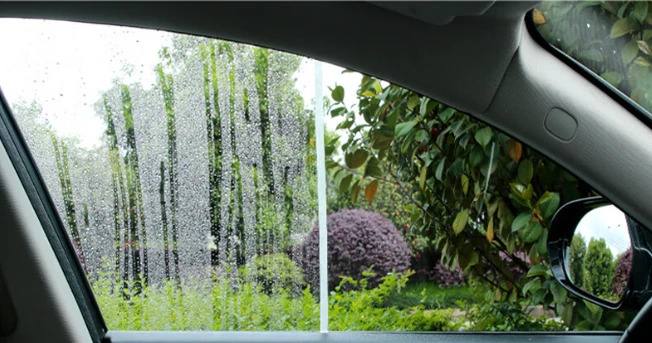
How to Choose the Right Automotive Anti Fog Agent for Your Needs
With so many Automotive anti fog agent products on the market, choosing the right one can be overwhelming. The best product for you depends on factors like your driving environment, windshield type, and personal preferences. In this section, we'll break down the key considerations to help you make an informed decision.
Consider Your Driving Environment
Your local climate and driving conditions are the most important factors when selecting a Automotive anti fog agent:
Cold and Humid Climates: If you live in an area with harsh winters (e.g., snow, freezing rain) or high humidity (e.g., coastal regions), choose a product with strong hydrophilic properties for the interior. Look for formulas labeled "winter-grade" or "high-humidity resistant"-these are designed to withstand constant condensation from wet coats, breath, and foggy mornings. For the exterior, opt for a dual-purpose product with hydrophobic properties to repel snow and rain.
Hot and Dry Climates: In hot weather, fog often forms on the outside of the windshield (e.g., early mornings with dew or after rain). A Automotive anti fog agent with UV protection is a good choice here, as it prevents the formula from breaking down in intense sunlight. Exterior hydrophobic formulas will also help repel rain and reduce the need for frequent wiper use.
Urban vs. Rural Driving: If you drive in the city (with frequent stop-and-go traffic), a long-lasting Automotive anti fog agent (e.g., gel-based or wipe-on) is ideal, as you won't have time to reapply often. Rural drivers, who may encounter more dust and debris, should choose a product with anti-static properties to repel dirt and prevent dust from trapping moisture.
Check Compatibility with Your Windshield Type
Not all Automotive anti fog agent products work with every windshield type. Using an incompatible product can damage coatings or reduce effectiveness:
Tinted Windshields: Tinted windshields have a thin film that can be damaged by harsh chemicals. Look for Automotive anti fog agent products labeled "tint-safe" or "non-abrasive." Avoid products with ammonia, alcohol (in high concentrations), or strong solvents, as these can fade or peel the tint.
Heated Windshields: Heated windshields use thin wires to defog the glass. Choose a Automotive anti fog agent that is "heat-resistant" to ensure the formula doesn't melt or leave residue on the wires. Spray-on or wipe-on products are better than gel-based ones here, as gel can sometimes clump around the wires.
Glass with Existing Coatings: If your windshield has a factory-applied hydrophobic coating (common in newer cars), select a Automotive anti fog agent that is compatible with existing coatings. Some products can bond with the existing layer to enhance protection, while others may strip it away-always check the manufacturer's compatibility notes.
Evaluate Product Durability and Application Ease
Durability: Look at the product's claimed lifespan. Spray-on Automotive anti fog agent typically lasts 2-4 weeks, wipe-on products 6-8 weeks, and gel-based products 8-12 weeks. If you want to minimize reapplication, choose a longer-lasting formula. Keep in mind that durability may decrease in harsh conditions (e.g., heavy rain, frequent car washes), so factor that into your choice.
Application Ease: If you're new to using Automotive anti fog agent, start with a spray-on or pre-moistened wipe product-these are the easiest to apply and less likely to cause streaks. Gel-based products require more skill to apply evenly, so they're better for experienced users. Also, consider the product's packaging: small, portable spray bottles are great for on-the-go touch-ups, while larger bottles are more cost-effective for regular use.
Read Reviews and Check for Certifications
Before buying a Automotive anti fog agent, read customer reviews to learn about real-world performance. Look for reviews from drivers in similar climates to yours-e.g., if you live in a snowy area, pay attention to reviews that mention how well the product works in snow. You should also check for certifications: products tested and approved by automotive organizations (e.g., SAE International) are more likely to meet high-quality standards. Avoid products with excessive negative reviews about streaking, short lifespan, or strong odors.
Maintenance and Troubleshooting for Automotive Anti Fog Agent
Once you've applied Automotive anti fog agent, proper maintenance will extend its lifespan and ensure consistent performance. This section covers how to maintain the anti-fog layer and solve common issues you may encounter.
Maintaining the Anti-Fog Layer
Avoid Using Harsh Cleaners: After applying Automotive anti fog agent, clean the windshield with mild, ammonia-free glass cleaners only. Harsh cleaners (e.g., those with bleach or alcohol) can break down the anti-fog film and reduce its effectiveness. For routine cleaning, simply wipe the interior windshield with a dry microfiber cloth to remove dust.
Be Gentle with Windshield Wipers: On the exterior, avoid using wiper blades with cracks or worn edges-these can scratch the anti-fog layer. Replace wiper blades every 6-12 months to prevent damage. When using the wipers, avoid turning them on when the windshield is dry, as this can rub off the Automotive anti fog agent.
Limit Car Washes: Frequent car washes (especially automatic ones with harsh brushes) can strip the exterior anti-fog layer. If you need to wash your car, hand-wash the windshield with mild car wash soap and a soft sponge. After washing, dry the windshield immediately with a microfiber cloth to reactivate the hydrophobic properties.
Reapply as Needed: Keep an eye on the windshield for signs that the Automotive anti fog agent is wearing off-e.g., fog starting to form in corners, water droplets clustering instead of spreading. Reapply the product as soon as you notice these signs, following the same preparation and application steps as before.
Troubleshooting Common Issues
Streaking: Streaks are the most common issue with Automotive anti fog agent, usually caused by over-application or using a dirty cloth. To fix this, wipe the affected area with a clean, damp microfiber cloth (use distilled water to avoid mineral deposits) and then buff it dry with a dry cloth. If streaks persist, remove the old anti-fog layer completely (use mild soap and water) and reapply the product with a lighter hand.
Fog Still Forms: If fog continues to form after applying Automotive anti fog agent, check if the windshield was properly cleaned before application-residue or oil can prevent the formula from bonding. Another cause may be high humidity inside the car: use the car's defroster (set to "defog" mode) to reduce moisture, as the Automotive anti fog agent works best when combined with proper ventilation. If the product is expired, replace it-old formulas lose their effectiveness over time.
Strong Odor: Some Automotive anti fog agent products have a temporary odor after application. To reduce this, open the car doors and windows for 10-15 minutes after applying the product. If the odor persists for days, the product may be low-quality-switch to a fragrance-free or low-odor formula.
Cloudy Film on Exterior: A cloudy film on the outside windshield is often caused by over-application of Automotive anti fog agent. Buff the film with a dry microfiber cloth using circular motions-this should clear the cloudiness. If the film remains, wash the windshield with mild soap and water, dry it, and reapply the product with a thinner layer.
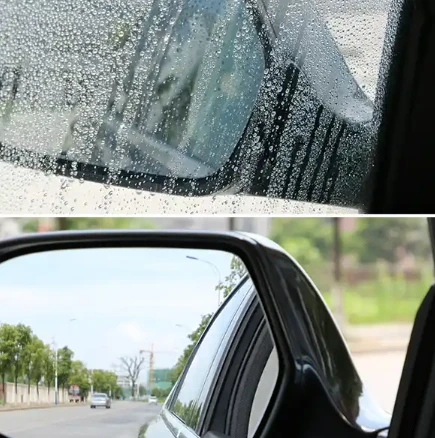
Choosing and Using Automotive Anti Fog Agent for Clear Visibility
Windshield fogging is a safety hazard that can be easily prevented with the right spray solution. While DIY sprays (like vinegar or rubbing alcohol) work for temporary fixes, Automotive anti fog agent is the best choice for long-term, reliable protection. By understanding the different types of Automotive anti fog agent (spray-on, wipe-on, gel-based), how to apply them correctly, and how to maintain their performance, you can keep your windshield clear in any weather condition.
When choosing a Automotive anti fog agent, consider your climate, windshield type, and application preferences-this ensures you select a product that meets your specific needs. With proper use and maintenance, your Automotive anti fog agent will keep you safe on the road by providing consistent visibility, no matter how foggy or rainy the day gets.