

Unveiling the World of Coatings: An Overview
Definition and Importance of Coatings
Coatings, in a broad sense, are thin layers of materials applied to the surface of various substrates, which can be metals, plastics, wood, or ceramics. These layers serve multiple crucial functions.
Firstly, coatings act as a shield, protecting the underlying substrate from environmental factors such as moisture, oxygen, chemicals, and physical abrasion. For example, in the automotive industry, car bodies are coated with paint to prevent rusting caused by exposure to water and air. Without these protective coatings, the metal components would corrode rapidly, reducing the lifespan and structural integrity of the vehicle.
Secondly, coatings play a significant role in decoration. They can add color, luster, and texture to products, enhancing their aesthetic appeal. In the furniture industry, wooden furniture is often coated with varnishes or stains to bring out the natural beauty of the wood grain while also providing a smooth and attractive finish. This not only makes the furniture more visually appealing but also increases its market value.
Moreover, coatings can improve the performance of materials in specific applications. In the aerospace industry, heat - resistant coatings are applied to aircraft components to protect them from the extreme temperatures generated during flight. These coatings enable the components to maintain their mechanical properties and functionality under harsh conditions, ensuring the safety and efficiency of the aircraft.
The Role of Chemicals in Coatings
Chemicals are the building blocks of coatings, and they determine the properties and performance of the final product. Each chemical component in a coating formulation has a specific function, and the combination of these chemicals is carefully designed to meet the requirements of different applications.
For instance, resins are a fundamental component in many coatings. They act as binders, holding the other components together and providing adhesion to the substrate. Different types of resins, such as epoxy, polyurethane, and acrylic resins, offer distinct properties. Epoxy resins, for example, are known for their excellent adhesion and chemical resistance, making them suitable for applications where durability and protection against harsh chemicals are essential, like in industrial pipelines.
Solvents are another important class of chemicals in coatings. They are used to dissolve the resins and other components, making the coating material easier to apply. Solvents also affect the drying time and film - forming properties of the coating. In water - based coatings, water serves as the solvent, which is more environmentally friendly compared to organic solvents that may release volatile organic compounds (VOCs) into the atmosphere.
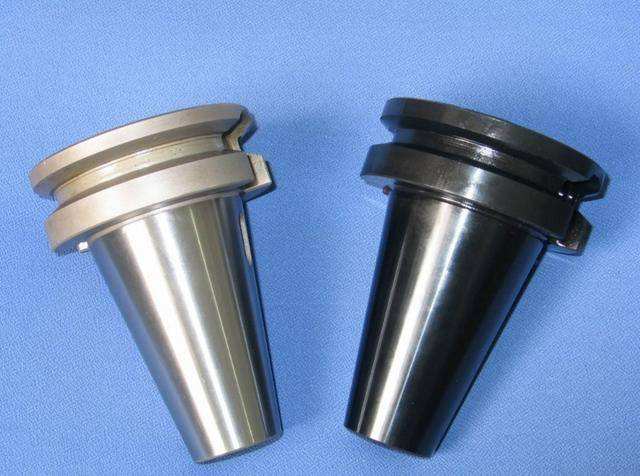
Additives are chemicals added in small amounts to coatings to impart specific properties. These can include pigments for coloration, fillers to improve mechanical properties, and catalysts to speed up the curing process. For example, blackening agents are a type of additive that can be used to create a black - colored finish on certain substrates. They are often used in the manufacturing of metal products where a black, corrosion - resistant, and aesthetically pleasing surface is desired.
The study of the chemicals used in coatings is crucial as it allows for the development of more effective, durable, and environmentally friendly coatings. By understanding the properties and interactions of different chemicals, researchers and manufacturers can optimize coating formulations to meet the evolving demands of various industries, from construction and automotive to electronics and aerospace.

Blackening Agent in Coatings
Types of Blackening Agents
Blackening agents used in coatings can be classified into different types based on their reaction mechanisms and chemical compositions.
Chemical Blackening Agents: Chemical blackening agents are widely used and operate through simple chemical reactions. In the case of steel, when it is treated with a blackening agent containing these components, the following chemical reactions occur. The copper in the copper sulfate reacts with the surface of the copper - based material, and under the action of the oxidant, a black copper oxide layer is formed on the surface.
Electrochemical Blackening Agents: Electrochemical blackening agents rely on an external electric current to drive the blackening process. In an electrochemical blackening system, the substrate to be blackened is usually made as one of the electrodes (either anode or cathode depending on the process) in an electrolytic cell.
When an electric current is applied, with the stainless - steel workpiece as the cathode, copper ions from the copper sulfate are reduced and deposited on the surface of the stainless - steel. Then, these copper deposits are further oxidized to form a black copper - oxide layer under the action of the oxidizing agent (nitrate salts) in the electrolyte. The ammonium salts act as buffer agents to maintain a relatively stable pH environment in the electrolyte, and the complexing agent helps to control the deposition rate of metal ions and improve the quality and uniformity of the blackening film.
Another example is the electrochemical blackening of aluminum. In this process, an appropriate electrolyte and voltage are selected. The aluminum workpiece is usually made as the anode. Through electrochemical oxidation, a porous alumina film is first formed on the surface. Then, by adding certain metal - containing salts (such as manganese salts) in the electrolyte, these metal ions can penetrate into the porous alumina film under the action of the electric field and react with the components of the film to form a black - colored compound, achieving the blackening effect.
Functions of Blackening Agents in Coatings
Aesthetic Function
Blackening agents play a crucial role in endowing coatings with a distinct black appearance, which caters to a wide range of aesthetic requirements across different industries. In the realm of consumer electronics, for example, many high - end smartphones and laptops feature black - colored casings. The use of blackening agents in the coatings applied to these devices gives them a sleek, modern, and sophisticated look. Black is often associated with elegance, luxury, and high - tech, making these products more appealing to consumers who value both functionality and aesthetics.
In the automotive industry, black - colored coatings are also highly popular. Some luxury cars use blackening agents in their paint formulations to create a deep, lustrous black finish. This not only enhances the overall appearance of the vehicle but also gives it a sense of prestige and exclusivity. The black color can make the car look more streamlined and aggressive, attracting customers who desire a vehicle with a bold and stylish presence on the road.
In the field of interior design, black - coated metal fixtures such as door handles, faucets, and lighting fixtures are used to add a touch of sophistication and modernity to a space. The black finish provided by blackening agents can complement various interior styles, from contemporary to industrial, creating a cohesive and visually appealing design.
Moreover, in the manufacturing of firearms and military equipment, a black - colored coating achieved through blackening agents is not only for aesthetics but also for practical camouflage purposes. The black color can blend well with various natural and urban backgrounds, making the equipment less conspicuous and enhancing its stealth capabilities during operations.
Blackening Agent in Coatings
Corrosion Resistance Function
In addition to their aesthetic value, blackening agents in coatings significantly enhance the corrosion resistance of substrates. Metals, especially iron - based metals, are prone to corrosion when exposed to moisture, oxygen, and other corrosive substances in the environment. The blackening process forms a protective layer on the metal surface that acts as a barrier against these corrosive agents.
This layer is less reactive than the underlying steel substrate. It prevents direct contact between the steel and the corrosive environment, reducing the rate of oxidation and rust formation. In a humid environment, without a protective coating, steel can start to rust within a short period. However, when treated with a blackening agent, the onset of rusting can be significantly delayed.
Similarly, for copper - based materials, the black copper oxide layer formed by the action of blackening agents serves as a protective shield. Copper is known to tarnish over time when exposed to air, forming a greenish - blue patina. The blackening treatment helps to slow down this natural oxidation process. By creating a more stable black oxide layer on the surface, the rate of further oxidation and the formation of the less - desirable patina is reduced.
In industrial applications where metal components are exposed to harsh chemical environments, such as in chemical processing plants or marine environments, the corrosion - resistant properties provided by blackening agents in coatings are crucial. For instance, in marine equipment, components made of steel are often blackened to protect them from the corrosive effects of saltwater. The blackening agent - containing coatings can withstand the continuous exposure to moisture and salt, ensuring the long - term functionality and integrity of the equipment.
Wear Resistance Function
Blackening agents also contribute to improving the wear resistance of coatings. When a metal surface is in contact with other surfaces during operation, friction can cause wear and tear, which may lead to a reduction in the component's lifespan and performance. The blackening process can increase the hardness and durability of the surface layer, thus enhancing its resistance to wear.
In machinery parts such as gears and shafts, where there is constant rubbing and sliding between components, the application of a blackening agent - treated coating can significantly reduce wear. The blackened layer has a higher hardness compared to the untreated metal surface. This increased hardness allows the surface to better withstand the mechanical forces exerted during operation, reducing the rate of material removal due to friction.
Moreover, the smoothness and texture of the blackened surface can also play a role in reducing friction. A well - formed blackening film can provide a more uniform and smoother surface finish, which in turn reduces the coefficient of friction between the contacting surfaces. This not only decreases wear but also improves the efficiency of the mechanical system, as less energy is wasted in overcoming friction.
In addition, for tools used in manufacturing processes, such as cutting tools and dies, the wear - resistance property provided by blackening agents is highly beneficial. These tools are subjected to high - stress and high - temperature conditions during operation. The blackening treatment can enhance the tool's surface properties, allowing it to maintain its sharpness and dimensional accuracy for a longer period. This results in reduced tool replacement frequency, lower production costs, and improved productivity in manufacturing operations.
Environmental and Health Considerations
Environmental - Friendly Alternatives
In response to growing environmental concerns and strict regulations regarding traditional coating chemicals, the development of environmentally friendly alternatives has become a significant trend in the coatings industry. These alternatives aim to reduce the negative impacts on the environment and human health while maintaining or even improving the performance of coatings.
One of the key areas of development is in the formulation of water - based coatings. Water - based coatings use water as the primary solvent instead of organic solvents. This substitution significantly reduces the emission of volatile organic compounds (VOCs). VOCs from traditional solvent - based coatings can contribute to air pollution, smog formation, and have adverse effects on human health, such as respiratory problems and irritation of the eyes, nose, and throat. In water - based coatings, the use of water - soluble resins and additives has made it possible to achieve similar or even better adhesion, durability, and corrosion - resistance properties compared to their solvent - based counterparts. For example, in the architectural paint market, water - based latex paints have become increasingly popular. These paints not only offer a wide range of colors and finishes but also have low VOC emissions, making them a more sustainable choice for interior and exterior wall coatings.
Another promising area is the development of powder coatings. Powder coatings are composed of finely ground resin particles, pigments, and additives. They are applied electrostatically and then cured under heat, eliminating the need for solvents altogether. This results in zero VOC emissions during the application process. Powder coatings also have excellent durability, scratch - resistance, and corrosion - resistance properties. They are widely used in applications such as metal furniture, automotive parts, and appliances. For instance, many metal outdoor furniture pieces are coated with powder coatings, which can withstand harsh weather conditions and maintain their appearance and functionality for a long time.
When it comes to blackening agents, researchers are also exploring environmentally friendly alternatives. Traditional blackening agents often contain heavy metals or toxic chemicals, which pose risks to the environment and human health during their production, use, and disposal. In the search for greener blackening agents, some studies have focused on using natural substances or non - toxic inorganic compounds. For example, certain natural plant - derived polyphenols have been investigated for their potential as blackening agents. These polyphenols can react with metal surfaces under specific conditions to form a black - colored complex. They are non - toxic, biodegradable, and renewable, offering a more sustainable option for blackening metal products.
In addition, research is being conducted on the development of blackening agents based on nanomaterials. Nanoparticles of certain metals or metal oxides can exhibit unique optical properties, and when incorporated into coatings, they may be able to achieve a blackening effect. For example, carbon - based nanomaterials such as graphene and carbon nanotubes can be used to create black - colored coatings with excellent electrical conductivity, mechanical strength, and corrosion - resistance in addition to their black appearance. These nanomaterial - based blackening agents have the potential to reduce the use of harmful chemicals in traditional blackening processes and offer enhanced performance characteristics. However, the large - scale production and application of these nanomaterial - based blackening agents still face challenges, such as high production costs and potential environmental impacts associated with nanomaterial synthesis and disposal, which need to be addressed through further research and technological advancements.
Overall, the development of environmentally friendly coating chemicals, including blackening agents, is an important step towards a more sustainable coatings industry. It not only helps to protect the environment but also provides opportunities for the development of innovative products with improved performance and reduced health risks.