

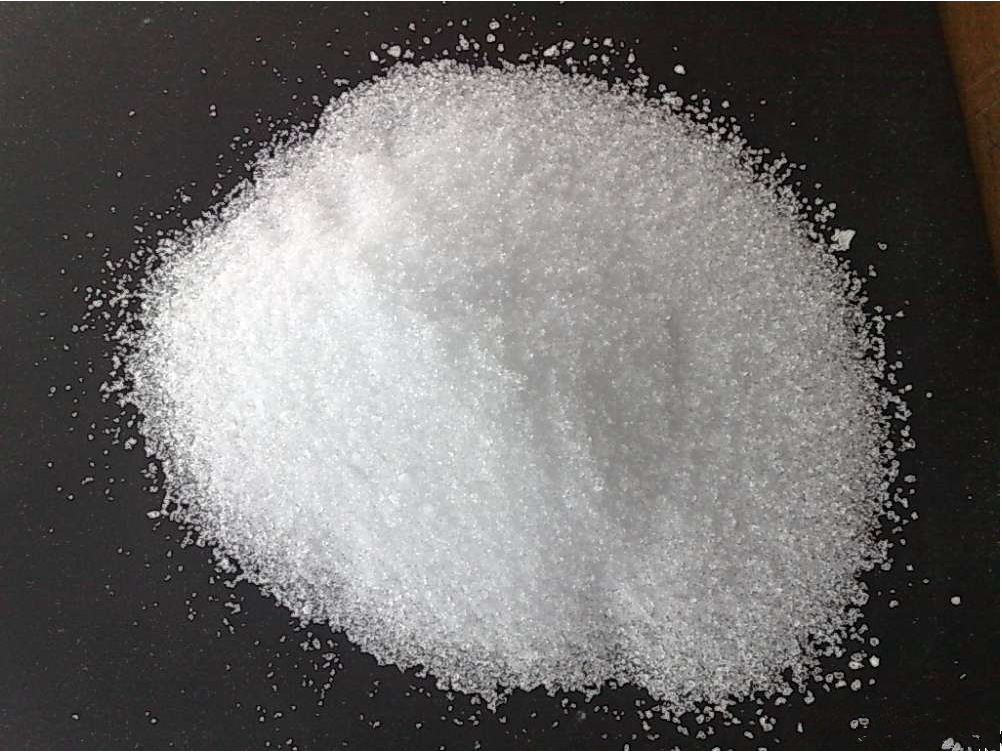
Sodium pyrophosphate, chemically represented as Na₄P₂O₇, is a versatile compound with a wide range of applications across multiple industries, from food to ceramics, and even in water treatment. Understanding its functions can provide insights into how it impacts various aspects of our daily lives.

In the Food Industry
Tenderizer and Moisture Retainer
In the meat industry, sodium pyrophosphate plays a crucial role. It helps to bind and retain water within the meat. When added during processing, it changes the pH of the meat slightly, making the muscle proteins more soluble. This allows the meat to hold more water, resulting in a juicier texture after cooking. For example, in frozen chicken products, it prevents freezer burn and keeps the chicken moist and flavorful. It also acts as a tenderizer by breaking down some of the muscle fibers, making the meat more tender and easier to chew.
Emulsifier and Sequestrant
Many processed food products require stable emulsions. Sodium pyrophosphate helps to prevent the separation of oil and water in products like salad dressings, ice - cream, and processed cheese. It does this by reducing the surface tension between the two immiscible substances. As a sequestrant, it binds to metal ions such as calcium and magnesium. In canned foods, it can prevent the formation of off - flavors and colors caused by the reaction of these metal ions with other food components. For instance, in canned seafood, it helps to maintain the natural color and taste of the product.
In the Detergent Industry
Water Softening Agent
One of the primary functions of sodium pyrophosphate in detergents is to act as a water softener. Hard water contains high levels of calcium and magnesium ions, which can interfere with the cleaning action of detergents by forming insoluble precipitates. Sodium pyrophosphate binds to these metal ions, preventing them from reacting with the detergent surfactants. This allows the surfactants to work more effectively, enhancing the cleaning power of the detergent. As a result, clothes and dishes can be cleaned more thoroughly, even in hard - water areas.
Builder for Detergent Formulations
It serves as a builder in detergent formulations. Builders enhance the overall performance of detergents by providing alkalinity, improving the solubility of surfactants, and preventing redeposition of dirt. Sodium pyrophosphate helps to keep the pH of the detergent solution at an optimal level for effective cleaning. It also helps to suspend and disperse dirt particles in the wash water, preventing them from re - attaching to the cleaned surfaces.
In the Ceramic and Glass Industries
Flux and Additive in Ceramic Production
In ceramic manufacturing, sodium pyrophosphate is used as a flux. A flux lowers the melting point of the ceramic materials, allowing them to be fired at lower temperatures. This not only saves energy but also helps to control the microstructure and properties of the ceramics. It can also act as a dispersant, preventing the aggregation of ceramic particles during the mixing and shaping processes. This results in more uniform ceramic products with fewer defects.
Glass - Making Process
In the glass - making industry, sodium pyrophosphate can be added to the glass batch. It helps to control the viscosity of the molten glass, making it easier to shape. It also affects the chemical durability and optical properties of the glass. For example, in the production of certain types of specialty glass, sodium pyrophosphate can be used to improve the glass's resistance to chemical corrosion.
In Water Treatment
Scale Inhibitor
In industrial water systems, such as boilers and cooling towers, scale formation due to the precipitation of calcium and magnesium salts can be a major problem. Sodium pyrophosphate acts as a scale inhibitor by binding to calcium and magnesium ions in the water. This prevents the formation of insoluble scale deposits on the inner surfaces of pipes and equipment. By inhibiting scale formation, it helps to maintain the efficiency of the water systems, reduce energy consumption, and extend the lifespan of the equipment.
Sodium pyrophosphate's wide - ranging applications highlight its importance in modern industrial processes and everyday products. Whether it's keeping our food fresh, helping to clean our clothes, or contributing to the production of various materials, this compound plays an essential role in enhancing the quality and functionality of many aspects of our lives.