

What is a desiccant in the food industry?
In the food industry, a desiccant is a substance specifically designed to absorb and remove moisture from the surrounding environment, thereby maintaining the optimal dryness of food products during storage and transportation. Its primary role is to prevent food spoilage, deterioration, and quality degradation caused by excessive humidity, ensuring the safety, shelf life, and sensory properties of food.

Desiccants used in the food industry are typically made from materials that are non-toxic, inert, and have strong moisture - absorbing capabilities. Common types include silica gel, calcium oxide (quicklime), montmorillonite clay, and molecular sieves. Silica gel is one of the most widely used desiccants. It is a porous material with a large specific surface area, which allows it to adsorb water molecules through physical means. It is non-toxic and chemically stable, making it suitable for a wide range of food products, such as dried fruits, nuts, and baked goods. Calcium oxide, on the other hand, absorbs moisture through a chemical reaction, converting into calcium hydroxide. It has a high moisture - absorbing capacity but needs to be used with caution as it can generate heat during the reaction and may cause irritation if in direct contact with food or skin. Montmorillonite clay is a natural mineral desiccant that is environmentally friendly and cost - effective, often used in bulk food packaging. Molecular sieves are synthetic materials with uniform pore sizes, which can selectively adsorb water molecules, making them ideal for applications where precise moisture control is required, such as in the packaging of high - end chocolates and coffee.
The importance of desiccants in the food industry cannot be overstated. Moisture is a major factor that contributes to food spoilage. Excessive humidity can lead to the growth of mold, yeast, and bacteria, which produce toxins and cause food to become inedible. For example, dried fruits and vegetables, which have low water content, are prone to absorbing moisture from the air, resulting in softening, stickiness, and loss of flavor. By placing desiccants in their packaging, the moisture level can be kept low, preventing these undesirable changes. Similarly, baked goods like cookies and crackers can become stale quickly in humid conditions. Desiccants help maintain their crispness and texture, extending their shelf life.
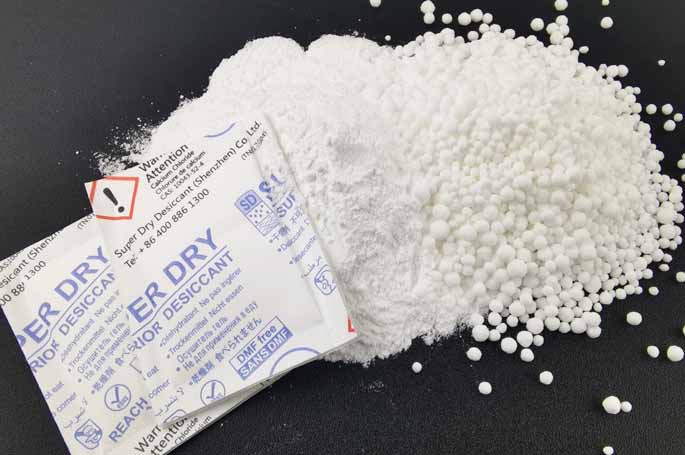
Desiccants are used in various forms of food packaging. They can be small sachets placed inside the packaging, which are designed to be non - toxic and prevent accidental ingestion. The sachets are usually made of breathable materials that allow moisture to enter while keeping the desiccant contained. In some cases, desiccants can also be integrated into the packaging material itself, such as in the form of moisture - absorbing films or liners. This helps to provide continuous moisture control throughout the product's shelf life.
When using desiccants in the food industry, several factors need to be considered. The amount of desiccant required depends on the type of food, the packaging size, and the expected storage conditions. It is essential to calculate the appropriate quantity to ensure effective moisture absorption without affecting the food's quality. Additionally, the desiccant must be compatible with the food product. Some desiccants may release substances that could interact with the food, leading to changes in taste, odor, or safety. Therefore, it is crucial to select desiccants that are approved for use in food contact applications and meet relevant regulatory standards.
Regulatory bodies around the world have established strict guidelines for the use of desiccants in the food industry. These guidelines ensure that desiccants are safe for their intended use and do not pose a risk to human health. For example, the United States Food and Drug Administration (FDA) has approved certain desiccants as food additives, specifying their maximum usage levels and conditions of use. Similarly, the European Food Safety Authority (EFSA) evaluates the safety of desiccants and sets standards for their application in food packaging.
In recent years, there has been a growing trend towards the use of natural and biodegradable desiccants in the food industry. This is in line with the increasing consumer demand for environmentally friendly and sustainable food products. Natural desiccants such as rice hulls, wheat bran, and activated charcoal are being explored as alternatives to traditional synthetic desiccants. These natural materials not only have moisture - absorbing properties but also are biodegradable, reducing the environmental impact of packaging waste.

In conclusion, a desiccant in the food industry is a vital component that helps to maintain the quality and safety of food products by controlling moisture. With a variety of types available, each with its own characteristics and applications, desiccants play a crucial role in extending the shelf life of food and ensuring that consumers receive products that are fresh and of high quality. As the food industry continues to evolve, the development and use of safe, effective, and sustainable desiccants will remain an important area of focus.