

What is chemical surface treatment of metals?
In the modern industrial landscape, metals play a pivotal role in countless applications, from construction and manufacturing to electronics and aerospace. However, the performance and longevity of metal components are often significantly influenced by the characteristics of their surfaces. This is where chemical surface treatment of metals comes into play. So, what exactly is this technology, and why is it so crucial in various industries?
Chemical surface treatment of metals refers to a series of processes that alter the properties of a metal's surface through chemical reactions. The primary goal of these treatments is to enhance the metal's performance in specific ways, such as improving its corrosion resistance, wear resistance, aesthetic appeal, or adhesion for subsequent coatings. By modifying the surface chemistry, engineers and manufacturers can tailor metal components to meet the demanding requirements of different applications.
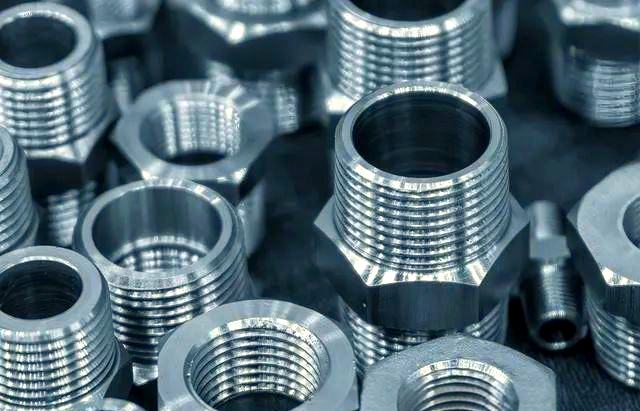
One of the key reasons why chemical surface treatment is essential is its ability to address the inherent limitations of metals. Many metals are prone to corrosion when exposed to environmental factors such as moisture, oxygen, and chemicals. Corrosion not only deteriorates the appearance of metal products but also weakens their structural integrity, leading to potential safety hazards and costly replacements. Chemical surface treatments can form a protective layer on the metal surface, acting as a barrier against corrosive agents and significantly extending the service life of the components.
Another important aspect is the improvement of mechanical properties. For example, some treatments can increase the hardness of the metal surface, making it more resistant to wear and tear. This is particularly important in applications where metal parts are subject to friction or constant use, such as in automotive engines or machinery components. Additionally, chemical surface treatments can enhance the adhesion of paints, coatings, or other surface finishes, ensuring that they bond firmly to the metal and provide long-lasting protection and aesthetic appeal.
There are several common methods of chemical surface treatment of metals, each with its unique characteristics and applications. One widely used technique is electroplating. Electroplating involves depositing a thin layer of another metal onto the surface of the base metal using an electric current. This process can improve the corrosion resistance, appearance, and electrical conductivity of the metal. For example, chromium plating is often used on automotive parts to provide a shiny, corrosion-resistant finish, while nickel plating is used in various industries for its durability and resistance to chemicals.

Another method is chemical plating, also known as electroless plating. Unlike electroplating, chemical plating does not require an external electric current. Instead, the metal coating is deposited through a chemical reaction. This method is particularly useful for coating complex or non-conductive surfaces that are difficult to plate using electroplating. Chemical plating can provide a uniform coating thickness and is commonly used in the electronics industry for plating circuit boards and in the automotive industry for coating engine components.
Anodizing is another important chemical surface treatment, especially for aluminum and its alloys. In anodizing, the metal is placed in an electrolyte solution and subjected to an electric current, which causes a layer of oxide to form on the surface. This oxide layer is porous and can be dyed to achieve different colors, making anodizing a popular choice for decorative applications. Moreover, the oxide layer provides excellent corrosion resistance and wear resistance, making anodized aluminum suitable for use in architectural components, aerospace parts, and consumer electronics.
Chemical conversion coating is yet another technique that involves the formation of a protective layer on the metal surface through a chemical reaction between the metal and a solution. This layer can be composed of various compounds, such as phosphates, chromates, or oxides, depending on the specific treatment. Chemical conversion coatings are commonly used as a pretreatment for painting or as a standalone corrosion protection method. For example, zinc phosphate coating is often applied to steel parts before painting to improve paint adhesion and corrosion resistance.
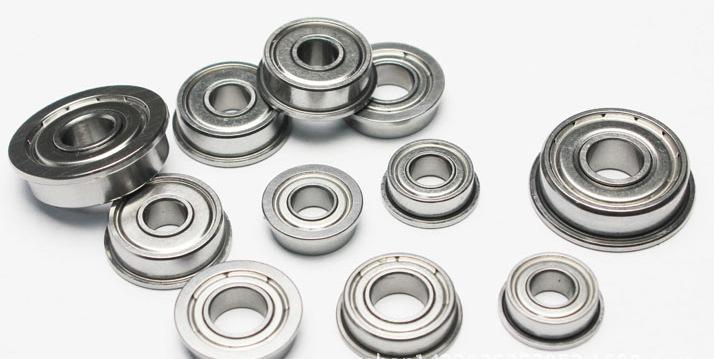
In addition to these methods, there are also chemical etching and passivation. Chemical etching is used to remove material from the metal surface to create patterns, designs, or text. This technique is widely used in the manufacturing of printed circuit boards and in the production of decorative metal items. Passivation, on the other hand, is a process that removes surface contaminants and forms a thin oxide layer to enhance the corrosion resistance of stainless steel and other metals.
The choice of chemical surface treatment method depends on various factors, including the type of metal, the desired properties of the surface, the intended application, and cost considerations. Manufacturers must carefully evaluate these factors to select the most suitable treatment for their specific needs.
As technology continues to advance, the field of chemical surface treatment of metals is also evolving. There is a growing emphasis on developing more environmentally friendly processes that minimize the use of hazardous chemicals and reduce waste. Additionally, researchers are exploring new techniques and materials to further improve the performance of metal surfaces, such as developing self-healing coatings or integrating multiple treatment methods to achieve multiple properties in a single process.

In conclusion, chemical surface treatment of metals is a vital technology that enables manufacturers to enhance the performance, durability, and appearance of metal components. By altering the surface chemistry through various chemical processes, this technology addresses the limitations of metals and allows them to meet the diverse requirements of modern industries. As technology progresses, we can expect to see further advancements in chemical surface treatment methods, leading to even more efficient, effective, and environmentally friendly solutions for metal surface modification.