

In the realm of materials science and engineering, passivation is a crucial process that plays a vital role in enhancing the durability and performance of metals, especially stainless steel. Understanding what passivation is, how it works, and how to apply it to stainless steel parts can help industries and enthusiasts alike maintain the integrity of their metal components.
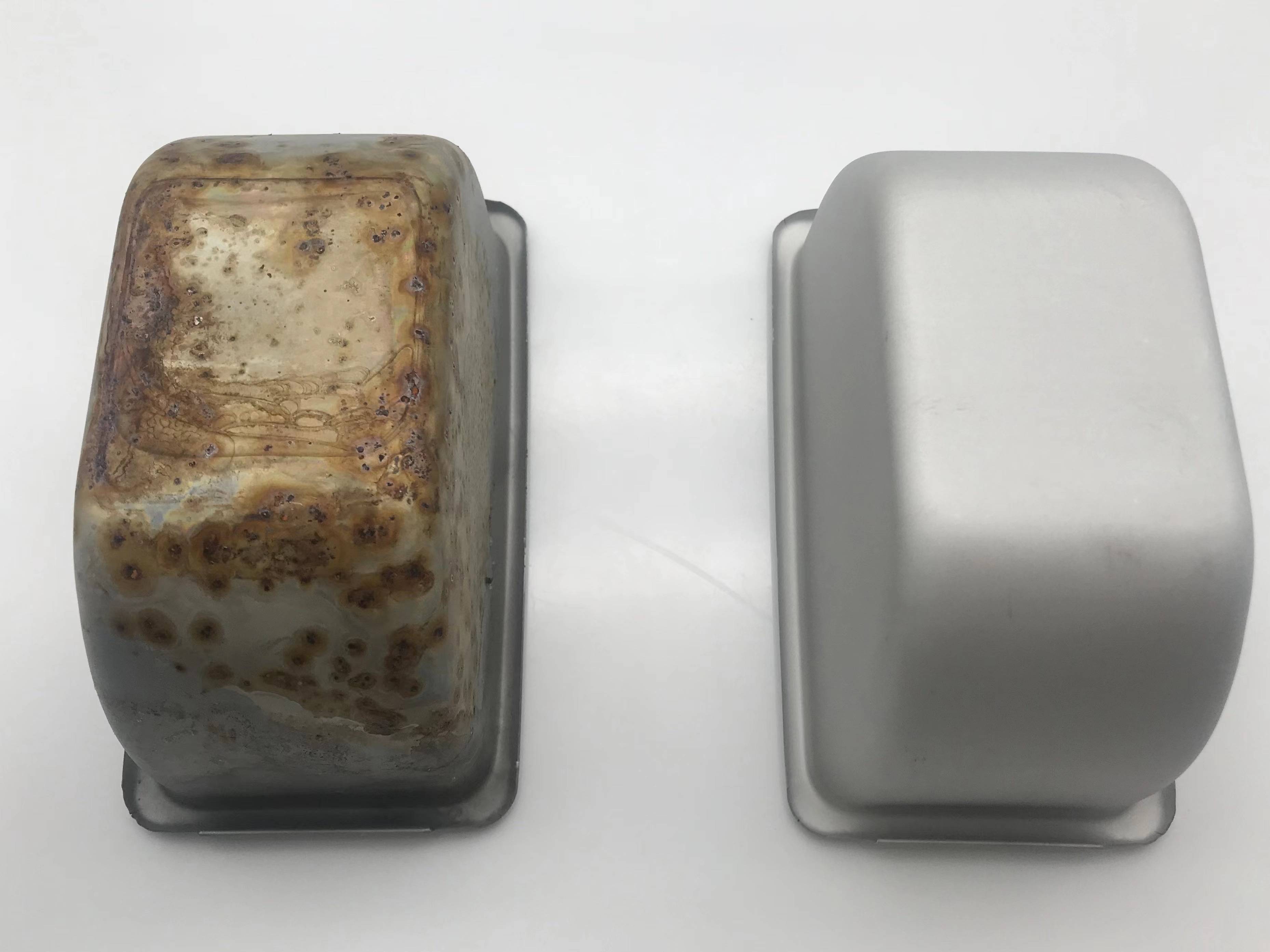
What is Passivation?
Passivation refers to the process of making a metal surface less reactive by creating a thin, protective layer on it. This protective layer acts as a barrier between the metal and its surrounding environment, preventing further oxidation, corrosion, and chemical reactions. While metals are inherently reactive with oxygen in the air, passivation artificially accelerates the formation of a stable oxide film on the metal surface, which is extremely thin-usually only a few nanometers thick but highly effective in protecting the underlying metal.
This concept is not new; in fact, nature has been using passivation for centuries. For example, aluminum naturally forms a thin oxide layer when exposed to air, which protects it from further corrosion. However, in industrial applications, especially for materials like stainless steel, the passivation process is often controlled and enhanced to ensure consistent and reliable protection. The primary goal of passivation is to improve the corrosion resistance of the metal, extend its service life, and maintain its aesthetic appearance, which is particularly important in industries such as food processing, pharmaceuticals, and aerospace.
How Does Passivation Process Work?
The passivation process is based on the principles of electrochemistry and surface chemistry. When a metal is exposed to an oxidizing environment, such as air or a chemical solution, the metal atoms at the surface react with oxygen or other oxidizing agents to form metal oxides. In the case of passivation, the key is to create a dense, adherent, and self - healing oxide layer.
At the molecular level, during the initial stages of exposure to an oxidizing agent, metal atoms on the surface lose electrons (a process called oxidation) and combine with oxygen atoms to form metal oxide compounds. These compounds then arrange themselves on the surface to form a layer. As the layer grows, it begins to act as a barrier, reducing the diffusion of oxygen and other reactive species to the underlying metal.
The effectiveness of passivation depends on several factors, including the type of metal, the composition of the oxidizing solution (if used), temperature, and time. For instance, some metals form more stable oxide layers than others. Additionally, the pH level of the solution used in chemical passivation can significantly impact the quality of the passive layer. A carefully controlled environment is necessary to ensure that the oxide layer is formed uniformly and has the desired properties.
One important aspect of the passivation process is its self - healing ability. If the passive layer is scratched or damaged, the metal underneath can react with the surrounding environment again, quickly reforming the oxide layer and restoring the protective barrier. This self - healing property is what makes passivated metals, like stainless steel, so reliable in various applications.

How To Passivate Stainless Steel Parts?
Stainless steel is a popular material due to its inherent corrosion resistance, but passivation can further enhance this property. The passivation of stainless steel parts typically involves several steps:
Cleaning
The first and crucial step is to thoroughly clean the stainless steel parts. Any dirt, grease, oil, or other contaminants on the surface can interfere with the formation of the passive layer. Common cleaning methods include using alkaline cleaners, solvents, or ultrasonic cleaning. Alkaline cleaners are effective in removing oils and greases, while solvents can dissolve stubborn residues. Ultrasonic cleaning uses high - frequency sound waves to create microscopic bubbles that scrub the surface, ensuring a deep clean.
Rinsing
After cleaning, the parts must be rinsed thoroughly with clean water, preferably deionized water. This step is essential to remove all traces of the cleaning agents. Residual cleaning agents can react with the metal during the passivation process and affect the quality of the passive layer. Multiple rinses may be required to ensure complete removal of contaminants.
Passivation Treatment
There are two main methods for passivating stainless steel: nitric acid passivation and citric acid passivation.
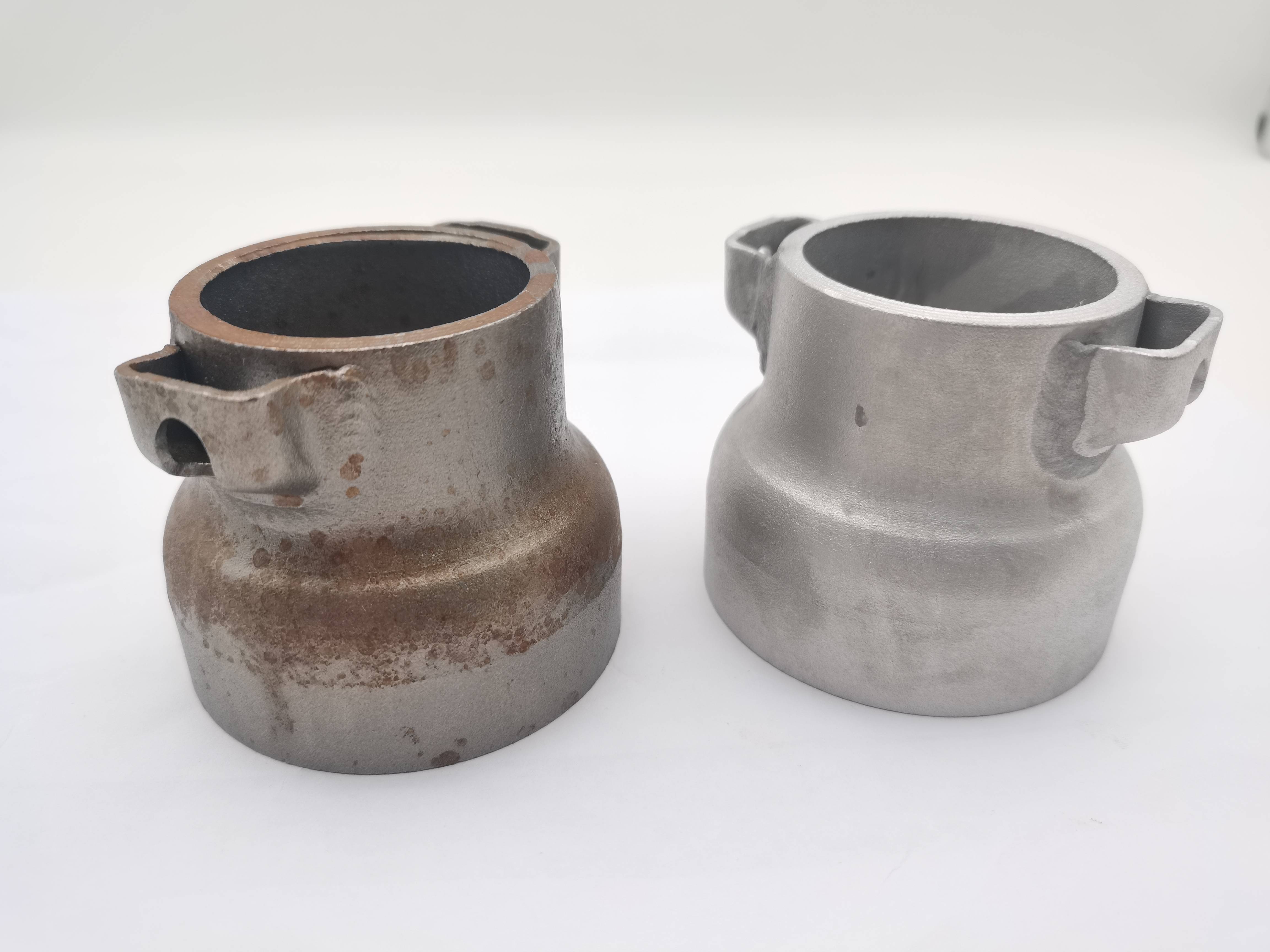
Nitric Acid Passivation: This is a traditional and widely used method. Stainless steel parts are immersed in a nitric acid solution, usually with a concentration ranging from 20% to 50%, at a specific temperature (commonly around 40 - 60°C) for a certain period, typically 30 minutes to 2 hours. The nitric acid selectively dissolves iron and other impurities from the surface of the stainless steel, while promoting the formation of a chromium - rich oxide layer. Chromium is a key element in stainless steel, and a chromium - rich passive layer provides excellent corrosion resistance.
Citric Acid Passivation: In recent years, citric acid passivation has gained popularity as a more environmentally friendly alternative. Citric acid is a weak organic acid. Stainless steel parts are treated with a citric acid - based solution, which also helps in removing surface contaminants and promoting the formation of a protective oxide layer. The process parameters, such as concentration, temperature, and time, are adjusted according to the specific requirements of the parts and the desired level of passivation.
Final Rinsing and Drying
After the passivation treatment, the parts are rinsed again with deionized water to remove any remaining acid residues. Failure to remove these residues can lead to pitting and other forms of corrosion over time. Once rinsed, the parts are dried using methods such as air drying, oven drying, or using compressed air. Proper drying is crucial to prevent the formation of water spots and to ensure that the parts are ready for use or storage.
In conclusion, passivation is a fundamental process that offers significant benefits for the protection and performance of metals, especially stainless steel. By understanding its definition, mechanism, and the specific procedures for passivating stainless steel parts, industries can ensure that their metal components remain durable, reliable, and corrosion - resistant in various operational environments. As technology and environmental awareness continue to evolve, we can expect further advancements in passivation techniques to meet the growing demands of modern manufacturing and engineering.