

Steel Rust: Causes and Effects
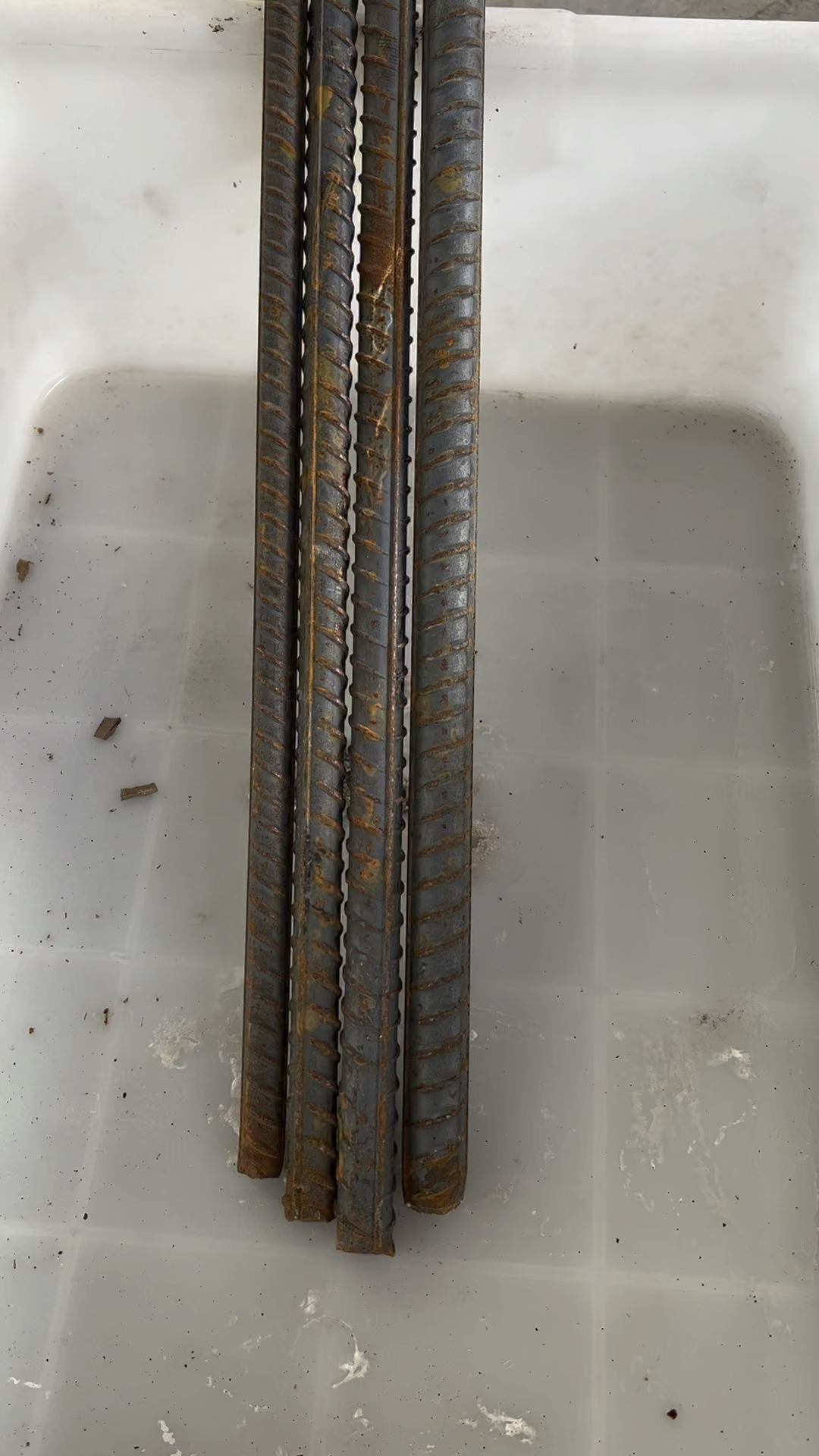
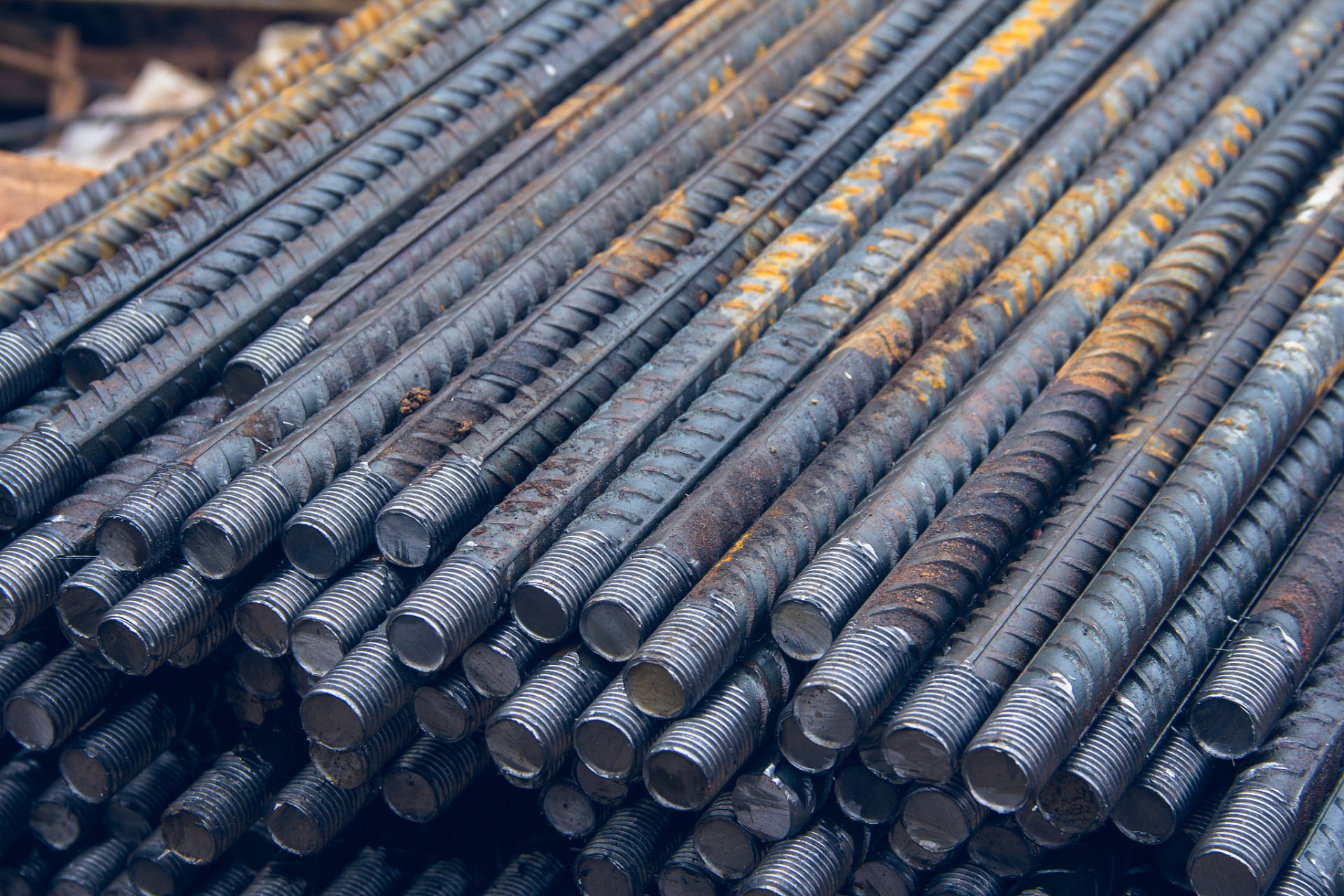
Rust is a common issue faced by steel owners, manifesting as reddish-brown spots or streaks on the surface. Contrary to popular belief, rust on steel isn't always a sign of low-quality material. Even high-grade steel can develop rust under specific conditions. The primary cause is oxidation, where iron in the steel reacts with oxygen and moisture in the environment, forming iron oxide. This process is accelerated by exposure to water, salt, acidic substances, or physical damage like scratches that expose the underlying metal.
The effects of rust extend beyond aesthetics. It can weaken the structural integrity of steel over time, leading to potential safety hazards. For instance, rust on tools or machinery can reduce their efficiency and lifespan. Understanding these causes and effects is crucial for selecting the appropriate rust remover and prevention strategies.
Why Steel Rust Removers are Essential
Steel rust removers play a vital role in maintaining the durability and appearance of steel items. Unlike stainless steel, which has a protective chromium oxide layer, regular steel lacks this defense mechanism, making it more susceptible to rust. Rust removers are designed to dissolve iron oxide without damaging the base metal, ensuring the item's functionality and longevity.
Using a rust remover is particularly important for items exposed to harsh environments, such as outdoor furniture or automotive parts. Regular application of a suitable remover can prevent extensive corrosion, saving costs on replacements and repairs. Moreover, it helps maintain the item's value and aesthetic appeal, which is critical for both personal and commercial use.

Types of Steel Rust Removers: Chemical vs. Natural
Chemical Rust Removers
Chemical rust removers are formulated with strong acids or bases that aggressively dissolve rust. These include phosphoric acid-based solutions, which convert iron oxide into a protective layer, and hydrochloric acid-based products, which are highly effective but require careful handling due to their corrosive nature. Chemical removers are ideal for severe rust cases where natural methods fall short.
However, they come with drawbacks. The strong chemicals can be hazardous to health and environment, necessitating protective gear and proper disposal methods. Overuse or incorrect application can also damage the steel surface, leading to pitting or discoloration. Despite these challenges, chemical removers are indispensable for industrial applications where efficiency and speed are paramount.
Natural Rust Removers
Natural rust removers offer a safer alternative, utilizing household items like vinegar, baking soda, or lemon juice. These substances contain mild acids that react with rust, breaking it down without harming the steel. For example, vinegar's acetic acid can dissolve rust when applied for several hours, while baking soda mixed with water forms a paste that gently scrubs away surface rust.
The advantages of natural removers include safety, affordability, and environmental friendliness. They are particularly suited for light rust or items used in domestic settings. However, they may require more time and effort compared to chemical options, and their effectiveness can vary based on rust severity. Nonetheless, they provide a practical solution for everyday maintenance.
How to Choose the Best Steel Rust Remover
Selecting the right steel rust remover depends on several factors. First, assess the rust severity-light surface rust can often be treated with natural methods, while deep or widespread corrosion may require chemical solutions. Consider the item's material and finish; some removers are too harsh for delicate surfaces, leading to damage.
Environmental and safety concerns are also crucial. Chemical removers should be used in well-ventilated areas with protective gear, whereas natural options are safer for home use. Additionally, evaluate the remover's ease of application and cleanup. Some products require rinsing or neutralizing after use, adding to the maintenance effort.
Finally, cost and availability play a role. Natural ingredients are typically cheaper and readily available, making them ideal for budget-conscious users. Chemical removers, though more expensive, offer quick results for professional or urgent needs. Balancing these factors ensures the chosen remover effectively addresses rust while minimizing risks.
Step-by-Step Guide: Using Chemical Rust Removers
Preparation and Safety Measures
Before applying a chemical rust remover, prepare the work area by ensuring adequate ventilation and wearing protective gloves, goggles, and clothing. Cover surrounding surfaces to prevent accidental spills or splashes. Test the remover on a small, inconspicuous area of the steel item to check for adverse reactions.
Application Process
Apply the chemical remover evenly over the rusted area using a brush or spray bottle. For severe rust, let the solution sit for the recommended duration, usually between 10 minutes to several hours, depending on the product. During this time, the rust will dissolve, turning into a black or dark residue.
Rinsing and Neutralizing
After the rust has dissolved, rinse the item thoroughly with water to remove any remaining chemical residue. Some removers require neutralizing with a baking soda solution to ensure no acidic or alkaline traces are left. Dry the item completely to prevent new rust formation.
Post-Treatment Care
Inspect the item for any remaining rust or damage. Lightly sanding or buffing may be necessary for stubborn spots. Apply a protective coating, such as oil or paint, to shield the steel from future corrosion. Store the item in a dry environment to maintain its condition.

Step-by-Step Guide: Using Natural Rust Removers
Preparation and Safety Measures
Natural rust removers are safer but still require basic precautions. Work in a well-ventilated area and wear gloves to protect your skin from mild acids. Ensure the item is clean and dry before application to enhance the remover's effectiveness.
Application Process
For vinegar-based removers, soak the rusted item in vinegar for several hours or overnight. For baking soda paste, mix baking soda with water to form a thick consistency, apply it to the rusted areas, and let it sit for a few hours before scrubbing gently with a soft brush or cloth.
Rinsing and Drying
After the rust has loosened, rinse the item thoroughly with water to remove any residue. Dry it immediately with a clean towel or let it air dry in a sunny spot to prevent moisture buildup, which can lead to new rust formation.
Post-Treatment Care
Inspect the item for any remaining rust. Lightly buffing with a dry cloth can help restore shine. Apply a protective layer, such as mineral oil or wax, to prevent future rusting. Store the item in a dry place to maintain its pristine condition.
Preventing Future Rust: Maintenance Tips
Regular Cleaning and Inspection
Preventing rust starts with regular cleaning and inspection of steel items. Wipe down surfaces with a dry cloth after use to remove moisture and contaminants. Inspect items periodically for early signs of rust, such as discoloration or rough spots, and address them promptly before they worsen.
Proper Storage Conditions
Store steel items in dry, well-ventilated areas away from moisture sources like sinks or outdoor elements. Use desiccants or moisture absorbers in storage spaces to reduce humidity. For outdoor items, consider covers or protective coatings to shield them from rain and humidity.
Protective Coatings and Treatments
Applying protective coatings, such as oil, wax, or paint, creates a barrier against moisture and oxygen. Regularly reapply these coatings to maintain their effectiveness. For items exposed to harsh environments, consider using rust inhibitors or corrosion-resistant paints for long-term protection.
Common Mistakes to Avoid When Using Steel Rust Removers
Using Abrasive Tools
One common mistake is using abrasive tools like steel wool or harsh brushes, which can scratch the steel surface and expose it to further rusting. Instead, opt for soft cloths or non-abrasive brushes to gently remove rust without damaging the metal.
Overlooking Safety Precautions
Neglecting safety measures when using chemical removers can lead to health risks or environmental damage. Always wear protective gear, work in ventilated areas, and follow disposal guidelines for chemical residues. For natural removers, basic precautions like gloves are still advisable.
Incorrect Application Techniques
Applying too much or too little remover can affect results. Overapplication can lead to surface damage, while underapplication may leave rust behind. Follow product instructions carefully and test on small areas first to ensure proper application.
Advanced Techniques for Severe Rust Cases
Electrolysis Rust Removal
For severely rusted items, electrolysis offers an advanced solution. This method involves submerging the item in an electrolyte solution (like baking soda and water) and using a low-voltage current to reverse the rusting process. It's effective for large or intricate items but requires specialized equipment.
Professional Restoration Services
When rust is too extensive or items are valuable, professional restoration services can be invaluable. Experts use advanced techniques and equipment to restore steel items to their original condition. This option is ideal for antique or high-value items where DIY methods may fall short.
Combining Methods for Optimal Results
In some cases, combining different rust removal methods can enhance effectiveness. For instance, using a natural remover for light rust followed by a chemical treatment for stubborn spots can provide comprehensive results. Always test compatibility and follow safety guidelines when combining methods.