

In the realm of metal protection, antirust agents play a vital role in preventing corrosion and extending the lifespan of metal products. Among the various types available, water-based and oil-based antirust agents are two prominent categories, each with its unique characteristics and applications. Understanding the differences between them is crucial for making informed decisions in industrial and commercial settings. This article will delve into the distinctions between water-based and oil-based antirust agents, covering their compositions, mechanisms of action, performance attributes, application scenarios, environmental and safety considerations, and more.
Definitions and Basic Compositions
Water - Based Antirust Agents
Water-based antirust agents, as the name suggests, have water as their primary solvent or carrier. Their compositions typically include a variety of active ingredients dissolved or dispersed in water. These active ingredients may consist of rust inhibitors such as sodium nitrite, sodium benzoate, triethanolamine, and various organic acids and their salts. Additionally, they may contain additives like surfactants to improve wetting and spreading on metal surfaces, thickeners to adjust the viscosity, and corrosion inhibitors to enhance the overall protective effect. The water serves as a medium to deliver these active components to the metal surface, where they form a protective layer.
Oil - Based Antirust Agents
Oil-based antirust agents, on the other hand, are formulated with oil as the base. The base oils can be mineral oils, vegetable oils, or synthetic oils. The active ingredients in oil-based antirust agents often include waxes, such as paraffin wax and microcrystalline wax, as well as various rust - inhibiting compounds like sulfonates, fatty acid soaps, and alkylated aromatic amines. These ingredients dissolve or suspend in the oil, which acts as a carrier to coat the metal surface. The oil itself also provides a physical barrier against moisture and oxygen, contributing to the rust - prevention effect.
Mechanisms of Rust Prevention
Water - Based Antirust Agents
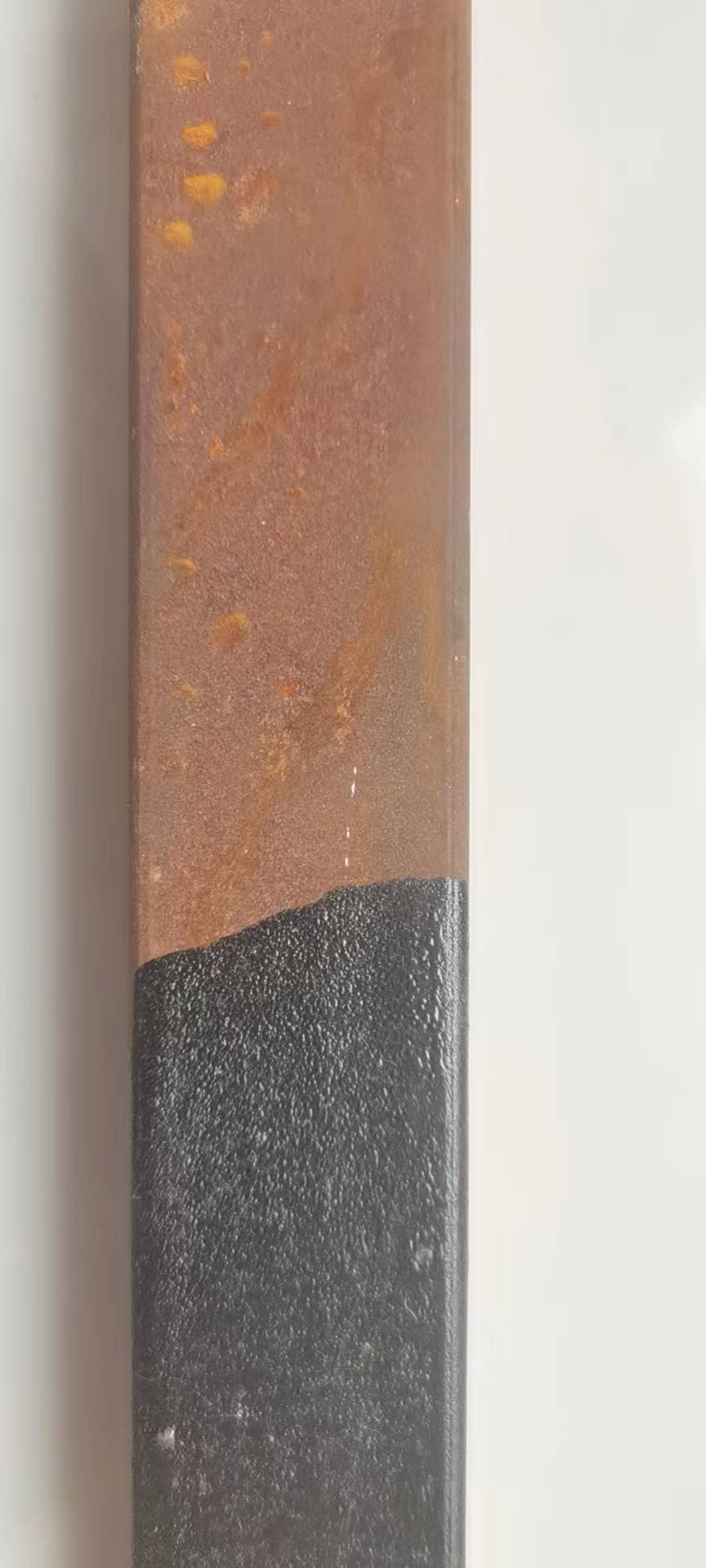
The rust - prevention mechanism of water-based antirust agents is mainly based on the formation of a protective film on the metal surface. When applied, the water evaporates, leaving behind a layer of the active ingredients. These ingredients can adsorb onto the metal surface, forming a thin, adherent film. This film acts as a barrier, preventing moisture, oxygen, and other corrosive substances from coming into contact with the metal. Some water-based antirust agents also have passivating properties, reacting with the metal surface to form a passive oxide layer that further enhances corrosion resistance.
Oil - Based Antirust Agents
Oil-based antirust agents primarily function through a physical barrier mechanism. The oil forms a continuous film on the metal surface, which blocks the access of water, oxygen, and contaminants. The waxes present in oil-based formulations help to increase the viscosity and durability of the film, making it more resistant to wear and removal. Additionally, some oil-based antirust agents contain rust inhibitors that dissolve in the oil and migrate to the metal surface, providing additional protection by inhibiting corrosion reactions.
Performance Characteristics
Corrosion Resistance
The corrosion resistance of both types of antirust agents can vary depending on factors such as the formulation, concentration, and application method. In general, oil-based antirust agents tend to offer better long-term corrosion protection, especially in harsh environments with high humidity, salt spray, or exposure to aggressive chemicals. The thick, durable film formed by oil-based agents provides a more robust barrier. Water-based antirust agents, while effective for shorter periods or in less severe conditions, may not hold up as well over extended periods in extreme environments. However, advancements in water-based formulations have led to improved corrosion resistance, making them suitable for many applications.
Film Properties
Water-based antirust agents typically form a thin, dry film that is non - greasy and easy to clean. This makes them ideal for applications where 后续加工(subsequent processing) is required, as the film does not interfere with welding, painting, or other manufacturing steps. The film may be more susceptible to damage from mechanical abrasion compared to oil-based films. Oil-based antirust agents form a thicker, greasy or waxy film that is more resistant to mechanical damage. However, this film can be difficult to remove, which may be a drawback in applications where the metal surface needs to be clean for further processing.
Drying Time
Water-based antirust agents dry relatively quickly because water evaporates faster than oil. This can be an advantage in production lines where rapid processing is essential, as it reduces the waiting time before the metal can be handled or stored. Oil-based antirust agents, on the other hand, have a longer drying time. The oil takes longer to evaporate or cure, which can slow down the production process. In some cases, heat may be applied to accelerate the drying of oil-based agents, but this adds to the energy consumption and processing time.
Temperature Resistance
Oil-based antirust agents generally have better high - temperature resistance. The oil and wax components can withstand higher temperatures without breaking down or melting, making them suitable for applications where the metal is exposed to elevated temperatures during storage or use. Water-based antirust agents may be less stable at high temperatures, as the film can degrade or crack, reducing their protective effectiveness. However, some water-based formulations are designed to withstand moderate temperatures, expanding their application range.

Application Scenarios
Water - Based Antirust Agents
Water-based antirust agents are widely used in industries where clean surfaces and easy processing are important. They are commonly used in the automotive industry for temporary rust protection during manufacturing, storage, and transportation of parts that will undergo further processing, such as painting or assembly. In the electronics industry, water-based agents are preferred for protecting metal components that require a non - conductive, clean surface. They are also suitable for use in indoor storage of metal products where the environment is relatively dry and not overly corrosive. Additionally, water-based antirust agents are often used in applications where environmental regulations are strict, as they have lower volatile organic compound (VOC) emissions.
Oil - Based Antirust Agents
Oil-based antirust agents are commonly used in outdoor storage and transportation of metal products, where they are exposed to harsh weather conditions such as rain, snow, and salt spray. They are also suitable for long-term storage of metal parts, machinery, and equipment, providing extended protection. In the marine industry, oil-based antirust agents are used to protect metal components on ships and offshore structures from corrosion caused by saltwater. Heavy machinery and industrial equipment that operate in dirty or abrasive environments often rely on oil-based antirust agents for their durable protection.
Environmental and Safety Considerations
Environmental Impact
Water-based antirust agents are generally considered more environmentally friendly than oil-based ones. They have lower VOC content, which reduces air pollution. The water used as a solvent is non - toxic and readily biodegradable, minimizing the impact on soil and water systems. Oil-based antirust agents, especially those containing mineral oils, can be harmful to the environment if spilled or released. They may contaminate soil and water, and their disposal requires proper handling to avoid environmental damage. Additionally, the production and use of oil-based agents may contribute to higher carbon emissions compared to water-based alternatives.
Safety
Water-based antirust agents are generally safer to handle and use. They are less flammable than oil-based agents, reducing the risk of fires and explosions. They also have lower toxicity, making them less harmful to workers if they come into contact with the skin or are inhaled. However, it is still important to follow safety guidelines when using water-based agents, as some may contain chemicals that can cause irritation. Oil-based antirust agents are highly flammable, posing a significant fire hazard. They also tend to be more toxic, and prolonged exposure to the skin or inhalation of fumes can cause health problems, such as skin irritation, respiratory issues, or even more serious conditions. Proper ventilation, personal protective equipment (PPE), and safe handling procedures are essential when using oil-based antirust agents.
Cost Considerations
The cost of water-based and oil-based antirust agents can vary depending on factors such as the formulation, quality, and quantity purchased. In general, water-based antirust agents may have a higher initial cost per unit volume, but their lower VOC content and easier handling can lead to lower overall costs in terms of regulatory compliance, safety measures, and disposal. Oil-based antirust agents may have a lower initial cost, but the additional expenses associated with safety precautions, environmental compliance, and removal of the film can make them more costly in the long run. It is important to consider the total cost of ownership, including application, maintenance, and disposal, when comparing the two types.

Compatibility with Other Processes
Painting and Coating
Water-based antirust agents are often more compatible with painting and coating processes. Their thin, dry film can be easily painted over without affecting the adhesion of the paint. In some cases, the water-based film may even enhance the adhesion of the paint. Oil-based antirust agents, on the other hand, can interfere with paint adhesion because the greasy film may prevent the paint from properly bonding to the metal surface. Removal of the oil-based film is often necessary before painting, which adds an extra step and cost to the process.
Welding
Water-based antirust agents are generally compatible with welding processes. The dry film burns off during welding without causing significant issues such as spattering or porosity in the weld. Oil-based antirust agents can be problematic during welding, as the oil can burn and produce smoke, fumes, and slag, which can affect the quality of the weld and pose health risks to workers. Proper cleaning of the metal surface to remove the oil-based film is essential before welding.
Storage and Shelf Life
Water-based antirust agents typically have a shorter shelf life compared to oil-based ones. They may be more susceptible to microbial growth, especially if stored in warm, humid conditions. It is important to store water-based agents in sealed containers and at appropriate temperatures to prevent degradation. Oil-based antirust agents have a longer shelf life, as the oil acts as a preservative, preventing microbial growth and chemical degradation. They can be stored for extended periods without significant loss of performance, as long as they are kept in sealed containers to prevent contamination and evaporation.
Selection of rust inhibitor
Water-based and oil-based antirust agents differ significantly in their compositions, mechanisms of action, performance characteristics, application scenarios, environmental and safety profiles, and compatibility with other processes. Water-based antirust agents offer advantages such as quick drying, easy cleaning, compatibility with subsequent processing, and better environmental friendliness, making them suitable for applications where these factors are important. Oil-based antirust agents, on the other hand, provide superior long-term corrosion resistance, better temperature resistance, and a more durable film, making them ideal for harsh environments and long-term storage.
When choosing between water-based and oil-based antirust agents, it is essential to consider the specific requirements of the application, including the environment, storage duration, subsequent processing needs, and environmental and safety regulations. By understanding the differences between these two types of antirust agents, industries can select the most appropriate one to ensure effective metal protection and optimize their manufacturing and storage processes.