

In the intricate realm of hematology, the role of various substances in maintaining the integrity and functionality of blood is a topic of great significance. Among these substances, potassium oxalate plays a crucial and multi - faceted function, making it an essential component in many aspects of blood - related studies and medical practices.
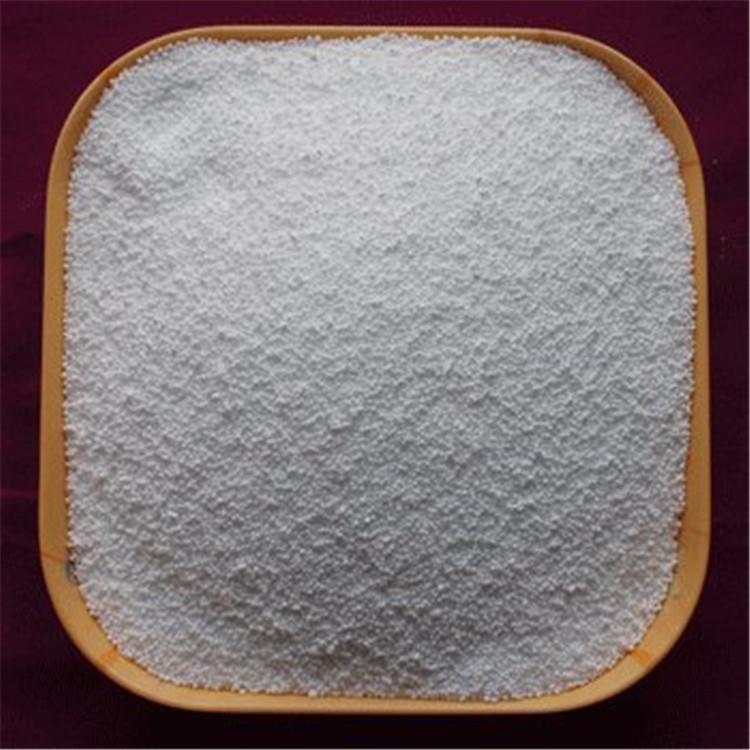
One of the primary functions of potassium oxalate in the blood is its role as an anticoagulant. Blood coagulation is a complex physiological process that involves a cascade of biochemical reactions, mainly triggered by the presence of calcium ions. Potassium oxalate works by chelating calcium ions in the blood. When potassium oxalate is added to blood samples, it forms insoluble calcium oxalate complexes with calcium ions. This effectively removes calcium from the blood - clotting cascade, preventing the activation of clotting factors such as factor IX, factor X, and the subsequent conversion of prothrombin to thrombin, which is essential for the formation of fibrin clots. As a result, the blood remains in a liquid state, allowing for various laboratory analyses that require non - clotted blood samples, such as blood cell counts, plasma protein measurements, and the determination of blood glucose levels.
In the field of medical diagnostics, accurate blood analysis is of utmost importance for disease detection and monitoring. Potassium oxalate - treated blood samples enable precise measurement of different blood components. For example, in the analysis of blood chemistry, the presence of intact plasma without the interference of clots is necessary to obtain reliable results for parameters like electrolyte concentrations, enzyme activities, and metabolite levels. By preventing clotting, potassium oxalate ensures that these measurements are not skewed by the physical presence of clots or the chemical changes that occur during the clotting process.

Moreover, potassium oxalate is also valuable in the preservation of blood for storage and transportation. In situations where blood needs to be kept for a certain period before analysis, such as in blood banks or when samples need to be sent to remote laboratories, preventing clotting is essential to maintain the viability and usability of the blood. Potassium oxalate - anticoagulated blood can be stored under appropriate conditions, and the integrity of blood cells and plasma components can be maintained to a large extent. This allows for further testing and analysis even after a significant amount of time has passed since the blood was collected.
However, it should be noted that while potassium oxalate has many advantages as an anticoagulant, it also has some limitations. For instance, the chelation of calcium ions by potassium oxalate can affect the results of some tests that are sensitive to calcium levels. Additionally, the addition of potassium oxalate can introduce potassium ions into the blood sample, which may interfere with potassium - related assays. Therefore, when using potassium oxalate - anticoagulated blood samples, laboratory technicians need to be aware of these potential interferences and take appropriate measures, such as using alternative anticoagulants or making necessary adjustments in the analytical methods.

In conclusion, potassium oxalate serves a vital function in the blood, mainly as an effective anticoagulant that enables accurate blood analysis, reliable disease diagnosis, and proper blood preservation. Despite its limitations, understanding its mechanism of action and proper application can maximize its benefits in the field of hematology and clinical medicine, contributing significantly to the advancement of medical science and the improvement of patient care.