

What is the medical use of tartaric acid?
Tartaric acid, a naturally occurring organic acid, has a rich history of use in various industries, and its applications in the medical field are particularly notable. Understanding the medical use of tartaric acid can shed light on its importance in improving human health and well - being.
One of the primary medical uses of tartaric acid is in pharmaceutical formulations. It serves as an excellent buffering agent. In the manufacturing of drugs, maintaining the correct pH level is crucial for the stability and effectiveness of the active ingredients. Tartaric acid can adjust the pH of pharmaceutical solutions, ensuring that drugs remain in their optimal chemical state. For example, in some liquid medications, if the pH is not properly regulated, the active substances may degrade, lose their potency, or even react unfavorably with other components. By acting as a buffer, tartaric acid helps prevent these issues, thus enhancing the shelf - life and efficacy of the drugs.
Tartaric acid also plays a role in the solubility of drugs. Some drugs have poor solubility in water, which can limit their absorption and effectiveness in the human body. Tartaric acid can form complexes with certain drugs, improving their solubility. When drugs are more soluble, they can be more easily absorbed by the body's tissues and cells, leading to better therapeutic outcomes. This property is especially useful in the development of oral medications, where the drug needs to dissolve quickly in the gastrointestinal tract for efficient absorption.
In addition to its role in drug formulation, tartaric acid has applications in medical treatments. It is used in some dental products. Tartaric acid can be part of dental cleaning agents. Its mild acidic nature allows it to help dissolve and remove dental plaque and tartar, which are major causes of dental problems such as cavities and gum diseases. By using dental products containing tartaric acid, patients can maintain better oral hygiene, reducing the risk of oral infections and tooth decay.
Moreover, tartaric acid is involved in certain metabolic processes in the body. It can act as an intermediate in some biochemical reactions. Although its direct metabolic role may not be as well - known as some other substances, it contributes to the overall balance of the body's internal chemistry. For instance, in the citric acid cycle, related organic acids play vital roles, and tartaric acid may interact with these metabolic pathways in ways that are still being studied. Understanding these interactions could potentially lead to new insights into treating metabolic disorders.
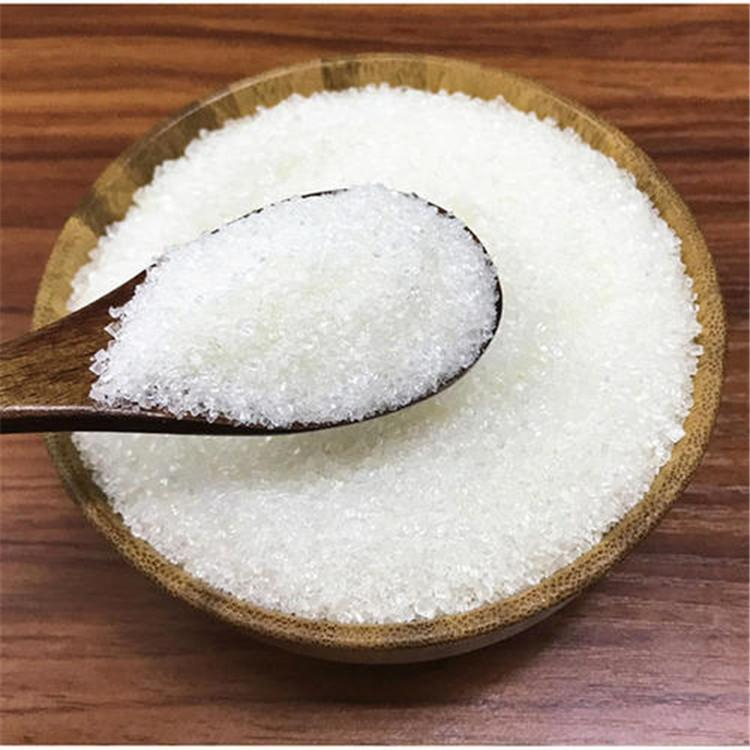
Tartaric acid is also used in the preparation of medical devices and materials. In some cases, it can be incorporated into polymers or coatings for medical implants. The acidic properties of tartaric acid can help in creating surfaces with specific characteristics. For example, it can be used to make surfaces more biocompatible, reducing the risk of the body rejecting the implant. Additionally, tartaric - acid - based coatings may have antibacterial properties, protecting the implant from infections and promoting better healing around the implanted area.
Furthermore, tartaric acid has applications in the field of diagnostic medicine. In some chemical assays used for diagnosing diseases, tartaric acid can be used as a reagent. Its chemical reactivity allows it to participate in reactions that help detect specific biomarkers or substances in biological samples such as blood or urine. By analyzing the results of these reactions, medical professionals can make more accurate diagnoses and develop appropriate treatment plans.

In conclusion, tartaric acid has a diverse range of medical uses, from its role in formulating stable and effective drugs to its applications in dental care, metabolic processes, medical device preparation, and diagnostic medicine. As research continues, it is likely that even more medical applications of tartaric acid will be discovered, further enhancing its importance in the medical field and contributing to better healthcare for people around the world.