

Copper, with its beautiful reddish - brown hue, is widely used in various items such as cookware, jewelry, and decorative pieces. However, over time, copper tends to tarnish and accumulate dirt, losing its luster. The good news is that there are several chemicals that can effectively clean copper, restoring its original shine. Let's explore these chemicals and how they work.
One of the most common chemicals used to clean copper is vinegar, which contains acetic acid. Acetic acid is a weak acid that can react with the tarnish on copper, which is mainly copper oxide. The chemical reaction between acetic acid and copper oxide produces soluble copper acetate, water, and carbon dioxide (if there are other impurities). This reaction allows the tarnish to be easily wiped away. To use vinegar for cleaning copper, you can mix equal parts of vinegar and water, soak the copper item in the solution for a few minutes, and then scrub it with a soft cloth or a brush. For more stubborn tarnish, you can add a little salt to the vinegar solution. Salt acts as an abrasive, enhancing the cleaning effect.

Lemon juice is another natural cleaner that works well on copper. It contains citric acid, which is also a weak acid capable of dissolving copper tarnish. Similar to vinegar, the citric acid in lemon juice reacts with copper oxide to form soluble compounds. You can either squeeze fresh lemon juice onto the copper surface and scrub it with a cloth, or make a paste by mixing lemon juice with baking soda. Baking soda, a mild abrasive, when combined with lemon juice, creates a fizzing action that helps loosen the tarnish, making the cleaning process more effective.
Hydrogen peroxide is a chemical that can be used in combination with other substances to clean copper. When mixed with an acid like vinegar or lemon juice, hydrogen peroxide acts as an oxidizing agent, accelerating the reaction with the tarnish. The combined effect of the acid and hydrogen peroxide breaks down the copper oxide more efficiently, especially for heavily tarnished copper items. For example, a solution of hydrogen peroxide, vinegar, and a pinch of salt can be applied to the copper surface, left for a short time, and then rinsed off to reveal a clean surface.
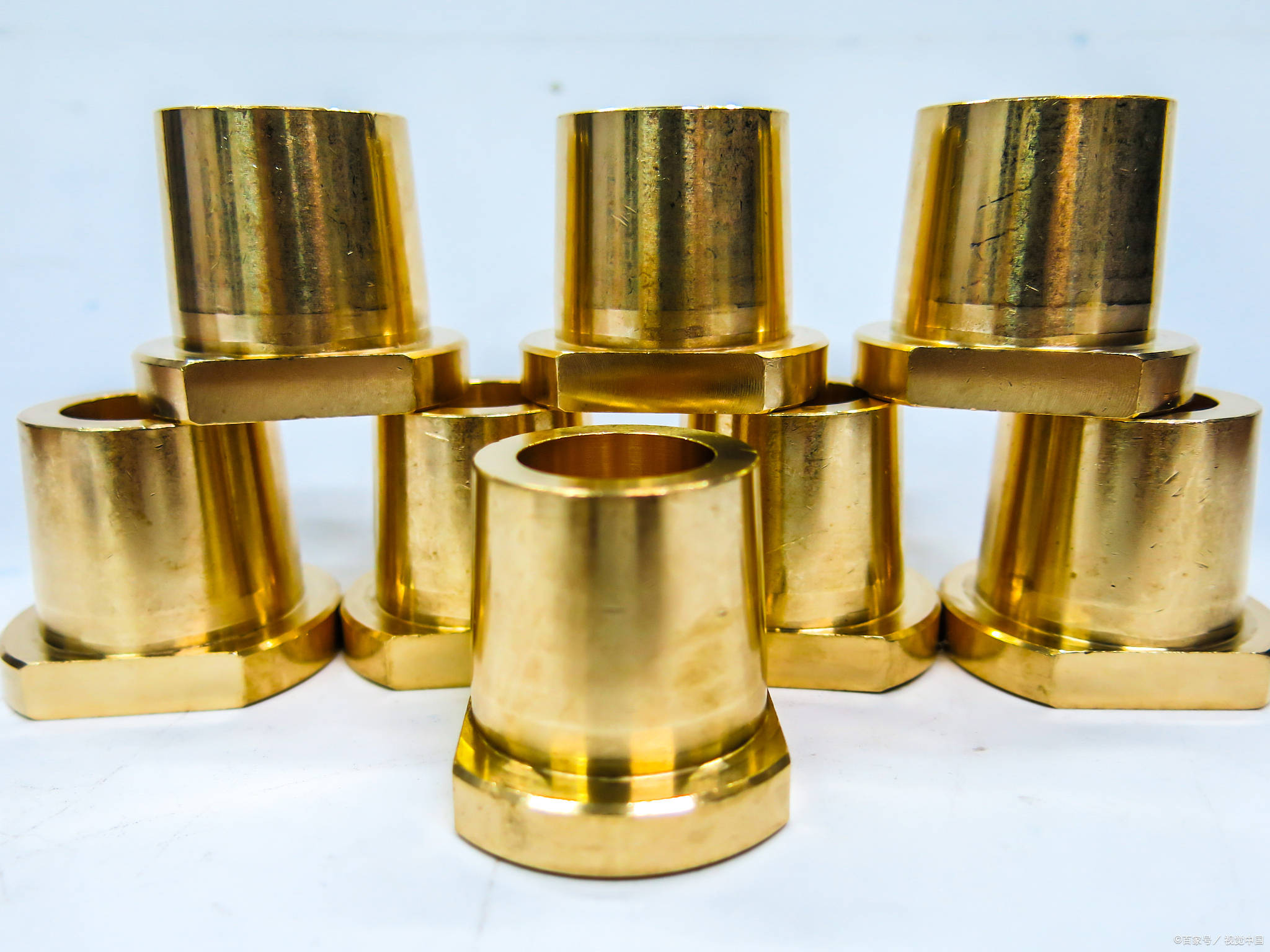
Ammonia is a strong chemical that can remove tough tarnish from copper. It works by forming a soluble complex with copper ions, which helps dissolve the tarnish. However, ammonia has a strong, pungent odor and can be harmful if inhaled in large quantities, so it should be used in a well - ventilated area and with caution. To use ammonia, you can dilute it with water (following the recommended ratio on the product label), dip a cloth into the solution, and wipe the copper item. After cleaning, it's important to rinse the copper thoroughly with water to remove any remaining ammonia.
Sulfuric acid is a strong acid that is highly effective in cleaning copper, but it is extremely corrosive and dangerous to handle. It is mainly used in industrial settings for heavy - duty cleaning of copper parts. Due to its hazardous nature, sulfuric acid is not suitable for household use. Improper handling can cause severe burns to the skin and damage to surrounding objects, so it should only be used by trained professionals with appropriate safety equipment.
In addition to these chemicals, there are commercial copper cleaners available in the market. These cleaners are formulated with a combination of acids, abrasives, and other ingredients designed specifically for cleaning copper. They are convenient to use and often provide quick results. When using commercial cleaners, it's essential to follow the instructions on the label carefully to ensure safe and effective cleaning.

It's important to note that when cleaning copper, you should avoid using harsh abrasives such as steel wool or sandpaper, as they can scratch the surface of the copper. Soft cloths, sponges, or brushes with soft bristles are better choices to prevent damage. Also, after cleaning, it's a good idea to dry the copper item thoroughly to prevent water spots from forming. You can use a clean, dry cloth to wipe off any moisture.
In conclusion, there are various chemicals that can clean copper, each with its own advantages and considerations. Natural cleaners like vinegar and lemon juice are safe and easily accessible for everyday cleaning, while stronger chemicals like ammonia and hydrogen peroxide (in combination with acids) are suitable for more stubborn tarnish. However, when using stronger chemicals, it's crucial to prioritize safety, follow proper handling procedures, and work in a well - ventilated area. By choosing the right chemical and using it correctly, you can keep your copper items looking clean and shiny for a long time.