

When it comes to ultrasonic cleaners, one of the most common questions is: What liquid should be used? The answer depends on various factors, including the type of items being cleaned, the nature of the contaminants, and the material of the objects. Understanding the options and their applications is key to achieving optimal cleaning results.
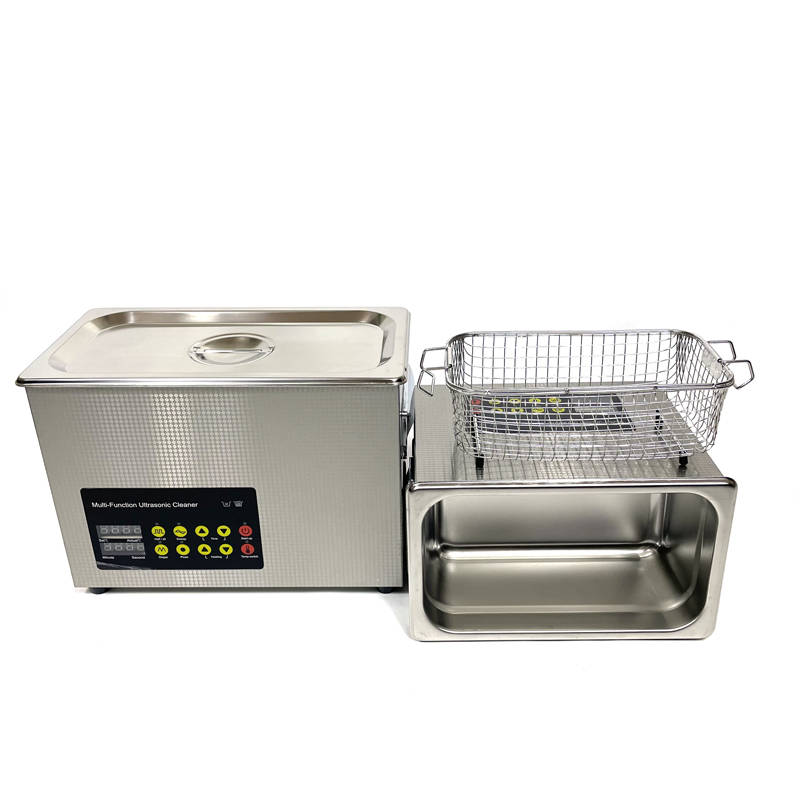
Water: The Basic Choice
Water is the simplest and most widely used liquid in ultrasonic cleaners. It works well for removing light dirt, dust, and water-soluble contaminants from a variety of materials, such as glass, ceramics, and some metals. Distilled or deionized water is often preferred over tap water because it lacks minerals that can leave spots or residues on cleaned items. However, plain water has limitations-it may not be effective against greasy, oily, or stubborn stains, as these substances do not dissolve easily in water alone.
Detergents and Cleaning Solutions
For more challenging cleaning tasks, adding a detergent or specialized cleaning solution to water can significantly enhance the ultrasonic cleaner's performance. These formulations are designed to break down oils, greases, proteins, and other organic or inorganic contaminants.
Mild Detergents: Household dish soaps or mild liquid detergents are suitable for cleaning items like jewelry, eyeglasses, and small metal parts with light grime. They help emulsify oils and lift dirt without damaging delicate surfaces.
Industrial Cleaners: For heavy-duty cleaning in industrial settings, such as removing machine oil from metal components or degreasing engine parts, industrial-strength detergents or solvents are used. These are often alkaline or acidic, depending on the type of contamination. Alkaline cleaners are effective against oils and greases, while acidic ones tackle rust, scale, and mineral deposits.
Enzymatic Cleaners: In medical or dental fields, enzymatic cleaners are preferred for cleaning instruments. They contain enzymes that break down biological materials like blood, tissue, and saliva, ensuring thorough disinfection and preventing the spread of pathogens.
Solvents
In some cases, organic solvents are used in ultrasonic cleaners, particularly when dealing with contaminants that are insoluble in water, such as wax, paint, or certain adhesives. Common solvents include isopropyl alcohol, acetone, and mineral spirits. However, solvents come with risks: they are often flammable, volatile, and can be harmful to skin or respiratory systems. They may also damage sensitive materials like plastics, rubber, or certain coatings. Therefore, solvents should be used with caution, in well-ventilated areas, and only when necessary for specific cleaning tasks.
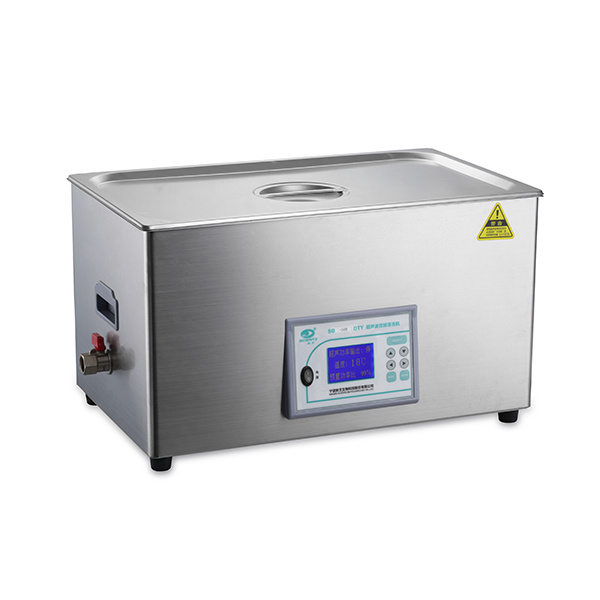
Specialized Liquids for Specific Materials
Certain materials require tailored cleaning liquids to avoid damage:
Delicate Metals (e.g., silver, gold): Use mild, pH-neutral cleaners to prevent tarnishing or corrosion. Avoid harsh acids or alkalis that can etch or discolor the surface.
Electronic Components: Deionized water or specialized electronic cleaners are used to remove flux residues and dust without causing short circuits. These liquids are non-conductive and leave no residues.
Optical Lenses: Lens cleaning solutions, often alcohol-based with anti-static properties, are ideal for cleaning camera lenses, microscopes, and eyeglasses. They remove fingerprints, smudges, and oils without scratching the delicate coatings.
Considerations When Choosing a Liquid
Material Compatibility: Always check if the liquid is safe for the item being cleaned. For example, acidic solutions can damage marble or limestone, while strong solvents may dissolve certain plastics.
Contaminant Type: Match the liquid to the contaminant. Oil-based stains require detergents or solvents, while mineral deposits respond better to acidic solutions.
Safety: Follow safety guidelines when using solvents or strong chemicals. Wear protective gloves, ensure proper ventilation, and avoid mixing different cleaning agents, as this can produce harmful fumes.
Ultrasonic Cleaner Specifications: Some manufacturers recommend specific liquids to maintain the cleaner's performance and longevity. Using inappropriate liquids may void the warranty or damage the equipment.
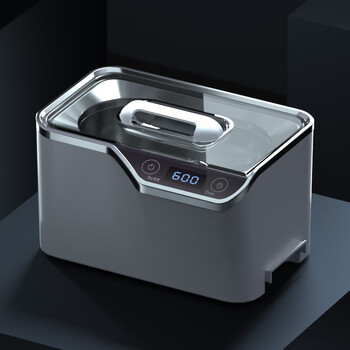
In conclusion, the choice of liquid for an ultrasonic cleaner depends on the cleaning task at hand. Water is a good starting point for light cleaning, while detergents and specialized solutions are necessary for tougher contaminants. Solvents should be used sparingly and with caution. By selecting the right liquid and following safety protocols, you can maximize the efficiency of your ultrasonic cleaner and achieve spotless results for a wide range of items.