

Rust, the reddish-brown scourge that plagues metal surfaces, is not just an eyesore-it's a sign of deterioration that can compromise the structural integrity of your valuable items. Whether it's an antique tool, a garden gate, or the bumper of your car, knowing the best mixtures to remove rust can save you time, money, and the heartache of watching cherished possessions corrode away. In this article, we'll explore a range of effective rust-removing mixtures, from household staples to specialized solutions, so you can tackle rust with confidence.
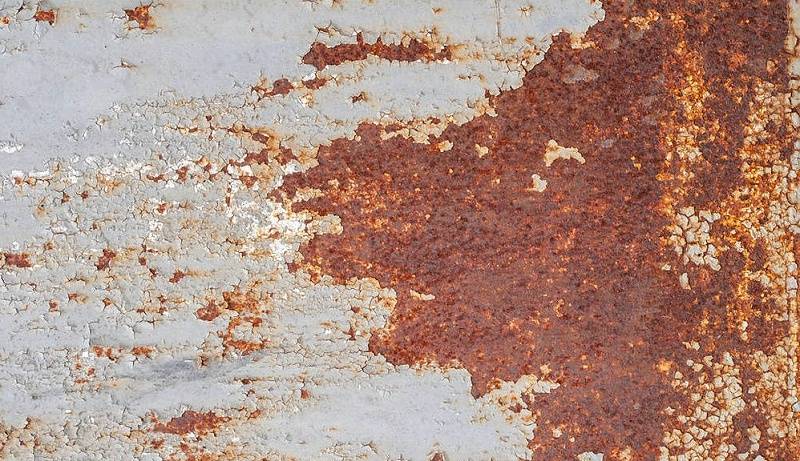
At the heart of rust removal is the need to dissolve the iron oxide that forms when metal reacts with oxygen and moisture. Acidic substances are particularly effective at this, as they break down the chemical bonds of rust. However, not all acids are created equal, and some can damage the underlying metal if used incorrectly. The key is to find a balance between effectiveness and safety.
One of the simplest and most readily available rust-removing mixtures combines white vinegar and baking soda. White vinegar, with its acetic acid content, gently dissolves rust, while baking soda acts as a mild abrasive, helping to scrub away the loosened particles. To use this mixture, soak a cloth in white vinegar and apply it to the rusted area. Let it sit for several hours or overnight, then sprinkle baking soda over the spot and scrub with a soft brush. The combination of chemical action and gentle abrasion makes this method ideal for small, delicate items or surfaces that can't withstand harsher treatments.
For more stubborn rust, a mixture of lemon juice and salt can be a game-changer. Lemons are rich in citric acid, which is highly effective at dissolving rust. When combined with salt, which acts as an abrasive, the mixture can tackle even the most tenacious rust deposits. Simply squeeze fresh lemon juice over the rusted area, sprinkle salt generously, and let the mixture sit for a few hours. Then, scrub with a brush or sponge to remove the rust. This natural solution is not only effective but also environmentally friendly, making it a great choice for outdoor projects or items that come into contact with food.

If you're dealing with larger, heavily rusted items, you might consider using a commercial rust remover. Many of these products contain phosphoric acid or oxalic acid, which are more powerful than household acids but require careful handling. For a homemade alternative with similar strength, you can mix cream of tartar with hydrogen peroxide to create a paste. Cream of tartar contains tartaric acid, which reacts with rust, while hydrogen peroxide helps to lift the rust particles away. Apply the paste to the rusted surface, let it sit for 30 minutes to an hour, then rinse and scrub.
Another effective mixture for rust removal involves using aluminum foil and water. The aluminum in the foil reacts with the rust, converting the iron oxide back into iron. Wet the rusted area, then crumple up a piece of aluminum foil and scrub the surface. As you do, you'll notice the rust starting to disappear. This method is especially useful for small, hard-to-reach areas and doesn't require any chemicals.
When using any rust-removing mixture, it's important to take precautions. Wear gloves and protective eyewear to avoid skin and eye irritation, especially when working with acidic substances. Test the mixture on a small, inconspicuous area first to ensure it doesn't damage the metal. After removing the rust, rinse the item thoroughly with water and dry it completely to prevent further corrosion. You may also want to apply a protective coating, such as paint, wax, or rust inhibitor, to keep the metal safe from future rusting.
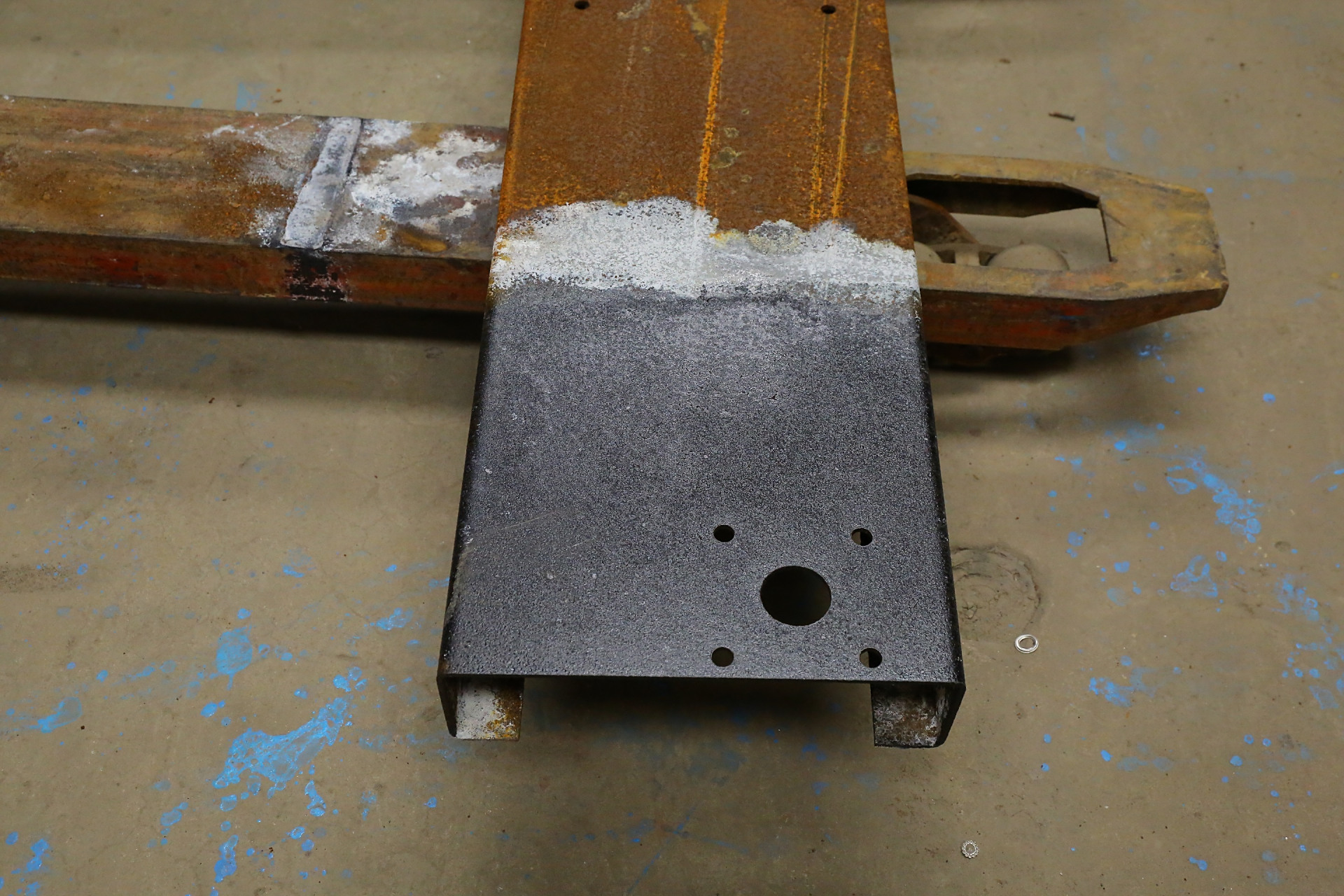
In conclusion, the best mixture for removing rust from metal depends on the severity of the rust, the type of metal, and your personal preferences. From simple household ingredients to more specialized solutions, there's a rust-removing mixture out there for every project. By understanding the science behind rust removal and choosing the right mixture, you can restore your metal items to their former glory and keep them rust-free for years to come.