

Aluminum is a versatile and widely used metal known for its lightweight, durability, and resistance to corrosion. However, despite its natural protective oxide layer, aluminum can still develop a dull, chalky white residue that is often mistaken for rust. This residue is actually aluminum oxide, which forms when aluminum reacts with oxygen in the air. While aluminum oxide is not as damaging as rust on iron or steel, it can still affect the appearance and performance of aluminum surfaces. In this article, we will explore various methods to clean rust - or more accurately, aluminum oxide - off of aluminum.
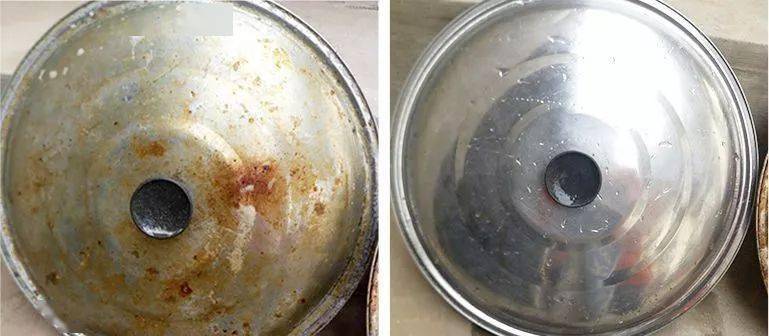
Understanding Aluminum Oxide
Aluminum has a unique property. When it is exposed to air, a thin layer of aluminum oxide immediately forms on its surface. This oxide layer is extremely thin, usually only a few nanometers thick, and it acts as a protective barrier, preventing further oxidation of the underlying metal. However, under certain conditions, such as exposure to moisture, salts, or acidic substances, this protective layer can break down, allowing more aluminum to oxidize and resulting in a thicker, visible layer of aluminum oxide. This layer can appear as a white, powdery substance, or in some cases, it may have a more stained or discolored appearance.
Cleaning Methods
Baking Soda Paste
One of the simplest and most commonly used methods to clean aluminum oxide is by using baking soda. Baking soda, or sodium bicarbonate, is a mild abrasive and has mild alkaline properties, which can help break down the aluminum oxide layer.
Prepare the paste: Mix baking soda with water to create a thick, spreadable paste. The ratio should be approximately 3 parts baking soda to 1 part water. For example, if you use 3 tablespoons of baking soda, add 1 tablespoon of water.
Apply the paste: Using a soft cloth or sponge, apply the baking soda paste to the rusty (oxidized) aluminum surface. Gently rub the paste into the surface in a circular motion. Be careful not to apply too much pressure, as aluminum is a relatively soft metal and can be scratched easily.
Rinse and dry: After rubbing for a few minutes, rinse the surface thoroughly with clean water to remove all the baking soda residue. Then, dry the aluminum with a clean, dry cloth to prevent water spots from forming. This method is suitable for most aluminum items, such as cookware, patio furniture, and small decorative pieces.
Vinegar Soak
Vinegar, specifically white vinegar, contains acetic acid, which can dissolve aluminum oxide. It is an effective and natural cleaning solution.
Prepare the soak: Pour enough white vinegar into a container to completely submerge the aluminum item. If the item is too large to be submerged, you can soak a cloth in vinegar and lay it over the oxidized area.
Soak the aluminum: Let the aluminum soak in the vinegar for at least 30 minutes. For more stubborn oxidation, you may need to soak it for a few hours or even overnight.
Scrub and rinse: After soaking, use a soft - bristle brush or sponge to gently scrub the surface of the aluminum. The aluminum oxide should start to come off easily. Rinse the item thoroughly with water to remove any vinegar residue, as leaving vinegar on the surface for too long can potentially damage the aluminum.
Cream of Tartar
Cream of tartar, or potassium bitartrate, is another household ingredient that can be used to clean aluminum. When combined with lemon juice, it forms a powerful cleaning agent.
Make the cleaning mixture: Mix 1 - 2 tablespoons of cream of tartar with enough lemon juice to form a paste. The acid in the lemon juice, along with the mild abrasive nature of cream of tartar, works together to break down the aluminum oxide.
Apply and scrub: Apply the paste to the oxidized aluminum surface and scrub gently with a soft cloth or sponge. Similar to the baking soda method, use circular motions and avoid excessive pressure.
Rinse and dry: Once the aluminum oxide has been removed, rinse the surface with water to clean off the paste. Then, dry the aluminum promptly to keep it looking its best.
Commercial Aluminum Cleaners
There are also many commercial aluminum cleaners available on the market. These cleaners are formulated specifically to remove aluminum oxide and other stains from aluminum surfaces. When using commercial cleaners:
Read the instructions: Different cleaners may have different application methods and safety precautions. Always read and follow the manufacturer's instructions carefully.
Test on a small area: Before applying the cleaner to the entire surface, it is advisable to test it on a small, inconspicuous area of the aluminum to ensure that it does not cause any damage or discoloration.
Apply and rinse: Apply the cleaner according to the instructions, usually with a cloth or sponge. After the recommended contact time, rinse the surface thoroughly with water to remove all the cleaner residue.

Preventing Future Oxidation
Once you have successfully cleaned the aluminum oxide off of your aluminum items, it is important to take steps to prevent future oxidation.
Keep aluminum dry: Moisture is one of the main factors that contribute to aluminum oxidation. After using or washing aluminum items, dry them immediately. For outdoor aluminum items, such as patio furniture, consider covering them during rainy or humid weather.
Apply a protective coating: You can apply a clear protective coating, such as a wax or a specialized aluminum sealant, to the aluminum surface. This coating creates an additional barrier between the aluminum and the air, reducing the likelihood of oxidation.
Avoid harsh chemicals: Harsh chemicals, such as bleach or strong acids, can damage the protective oxide layer of aluminum. When cleaning aluminum in the future, stick to mild cleaning agents.
In conclusion, cleaning rust - or more precisely, aluminum oxide - off of aluminum is a manageable task with a variety of methods available, ranging from using common household items to commercial cleaners. By understanding the nature of aluminum oxidation and taking proper preventive measures, you can keep your aluminum items looking clean and new for a long time.