

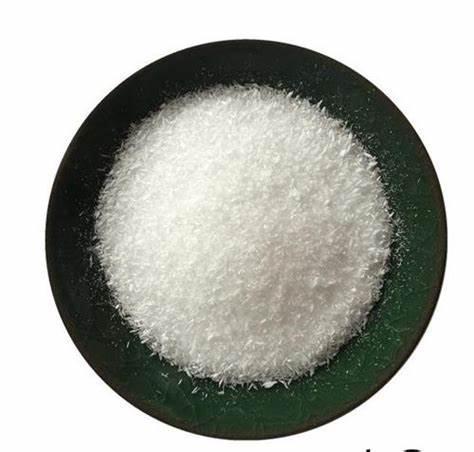
Trisodium phosphate (TSP), with the chemical formula Na₃PO₄, is a versatile compound that has found extensive use in various industries and household applications. From its role as a cleaning agent to its function as a food additive, TSP's presence in our daily lives has raised concerns about its potential toxicity to humans. Understanding the nature of TSP and its effects on human health is crucial for ensuring safe usage and minimizing potential risks.
In the industrial and household cleaning sectors, TSP is highly valued for its powerful cleaning properties. It acts as an effective degreaser and stain remover, breaking down grease, grime, and soap scum with ease. When used in cleaning products, TSP works by altering the pH of the solution, making it more alkaline. This high alkalinity helps dissolve organic materials, allowing for efficient removal of tough stains. However, its strong alkaline nature also means that direct contact with skin or eyes can pose significant risks. Prolonged exposure to TSP in its concentrated form can cause chemical burns, irritation, and redness on the skin. In the eyes, it can lead to severe pain, corneal damage, and even temporary or permanent vision loss if not promptly treated. Inhaling dust or fumes containing TSP can also irritate the respiratory system, causing coughing, wheezing, and shortness of breath. Workers in industries that handle TSP, such as manufacturing or construction, need to take strict safety precautions, including wearing protective gear like gloves, goggles, and masks, to prevent these adverse effects.
The use of TSP as a food additive has also been a topic of debate. In the food industry, TSP, also known as E339(i) in the European Union, serves multiple purposes. It functions as an emulsifier, helping to blend ingredients that would otherwise separate, like oil and water in salad dressings. It is also used as a buffering agent, maintaining the desired pH level in food products to preserve their texture, flavor, and shelf - life. For example, in processed meats, TSP can enhance the water - holding capacity, resulting in juicier products. In baked goods, it can affect the dough's structure and rise. When used in accordance with regulatory standards, TSP is generally recognized as safe for consumption. Regulatory bodies like the U.S. Food and Drug Administration (FDA) and the European Food Safety Authority (EFSA) have set limits on the amount of TSP that can be added to food products. These limits are based on extensive scientific research and risk assessments to ensure that the levels consumed through food are not harmful to human health. However, consuming excessive amounts of foods containing TSP, perhaps through over - reliance on highly processed foods, could potentially disrupt the body's normal phosphate balance. Phosphate is an essential mineral in the human body, involved in various physiological processes such as bone health, energy metabolism, and DNA synthesis. An imbalance in phosphate levels, caused by excessive intake of phosphate additives like TSP, has been associated with health issues such as kidney problems, particularly in individuals with pre - existing kidney conditions, and may also contribute to the development of cardiovascular diseases.
When considering the overall toxicity of TSP to humans, it is essential to factor in the route of exposure, dosage, and individual susceptibility. Acute exposure to high concentrations of TSP, whether through ingestion, inhalation, or skin contact, can cause immediate and severe health effects as described above. Chronic exposure to lower levels, especially in the case of food additives, requires long - term monitoring and research. While the current regulatory framework aims to ensure the safe use of TSP in food and other applications, consumers should also be aware of their dietary habits and the potential risks associated with excessive consumption of processed foods containing phosphate additives.
In conclusion, trisodium phosphate is not inherently toxic to humans when used and consumed within the recommended limits. However, it does pose risks when proper safety measures are not followed during industrial or household use, or when consumed in excessive amounts as a food additive. Continued research, strict regulatory oversight, and public awareness are necessary to ensure that the benefits of TSP can be harnessed while minimizing potential harm to human health.