

How Do You Polish Copper to a Mirror Finish?
Copper is a widely used metal, prized for its excellent thermal and electrical conductivity, ductility, and corrosion resistance. Its reddish-brown hue adds aesthetic appeal to architectural elements, jewelry, and decorative items. However, over time, copper surfaces can tarnish, losing their luster and developing a dull patina. To restore or enhance their shine, polishing copper to a mirror finish is a common practice. This process not only improves the visual appeal but also enhances the metal's functional properties by reducing surface imperfections that could affect its performance. Achieving a flawless mirror finish on copper requires careful preparation, the right techniques, and an understanding of the metal's characteristics.
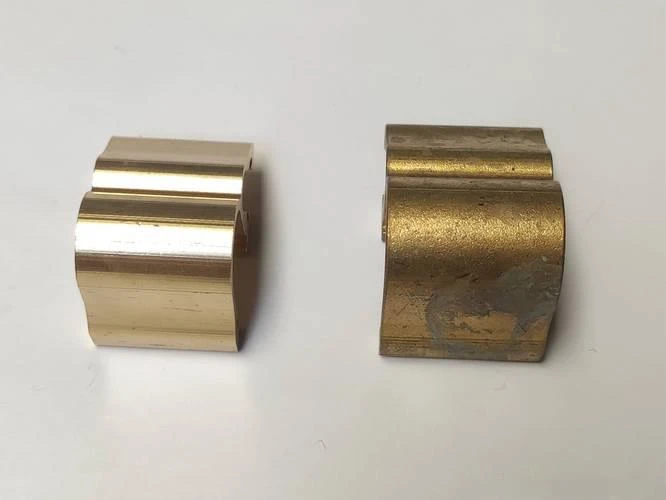
Understanding Copper Polishing
Why Polish Copper?
Polishing copper serves both aesthetic and practical purposes. Aesthetically, a polished copper surface reflects light beautifully, making it ideal for decorative applications like jewelry, sculptures, and architectural features. Practically, polishing removes oxidation and tarnish, which can degrade the metal over time. This restoration process is crucial for maintaining the longevity and performance of copper in industrial and artistic contexts.
Challenges in Polishing Copper
Copper is a relatively soft metal, making it susceptible to scratches and deformation during polishing. Its tendency to oxidize quickly when exposed to air and moisture can complicate the process. Additionally, achieving a uniform mirror finish requires precision, as uneven polishing can lead to streaks or dull spots. Understanding these challenges is essential for selecting the appropriate methods and tools.
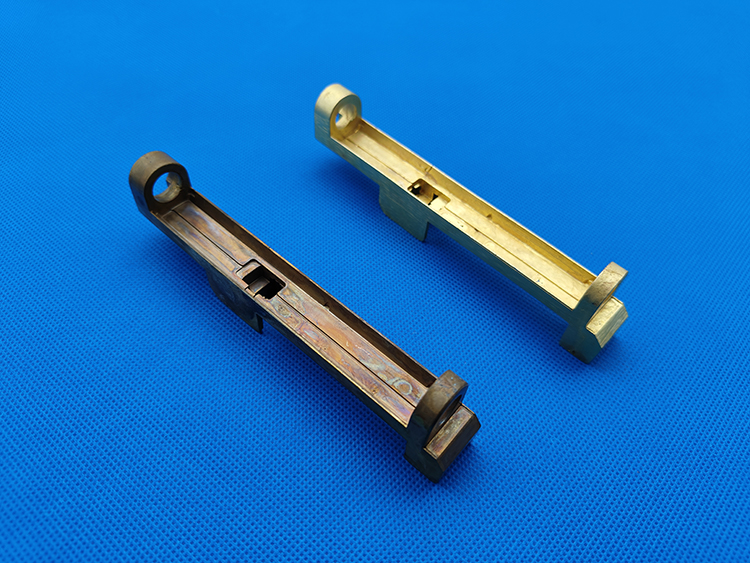
Preparing for Polishing
Assessing the Copper Surface
Before polishing, evaluate the copper item's condition. Check for deep scratches, oxidation layers, or previous coatings that may affect the process. The surface's initial state-whether milled, ground, or eroded-determines the starting grit size and polishing approach. For instance, a ground surface may require a coarser initial abrasive than a pre-polished one.
Gathering Necessary Tools and Materials
Essential tools include polishing pads or cloths, abrasive compounds, and safety gear like gloves and goggles. Materials range from mechanical abrasives (e.g., sandpaper with varying grits) to chemical solutions designed for copper. Ensure all items are clean and free of contaminants to prevent surface damage during polishing.
Safety Precautions
Copper polishing often involves chemicals or mechanical abrasives that pose risks. Work in a well-ventilated area to avoid inhaling fumes from chemical solutions. Wear protective gear to shield against skin contact with acids or abrasives. Properly dispose of waste materials to prevent environmental contamination.
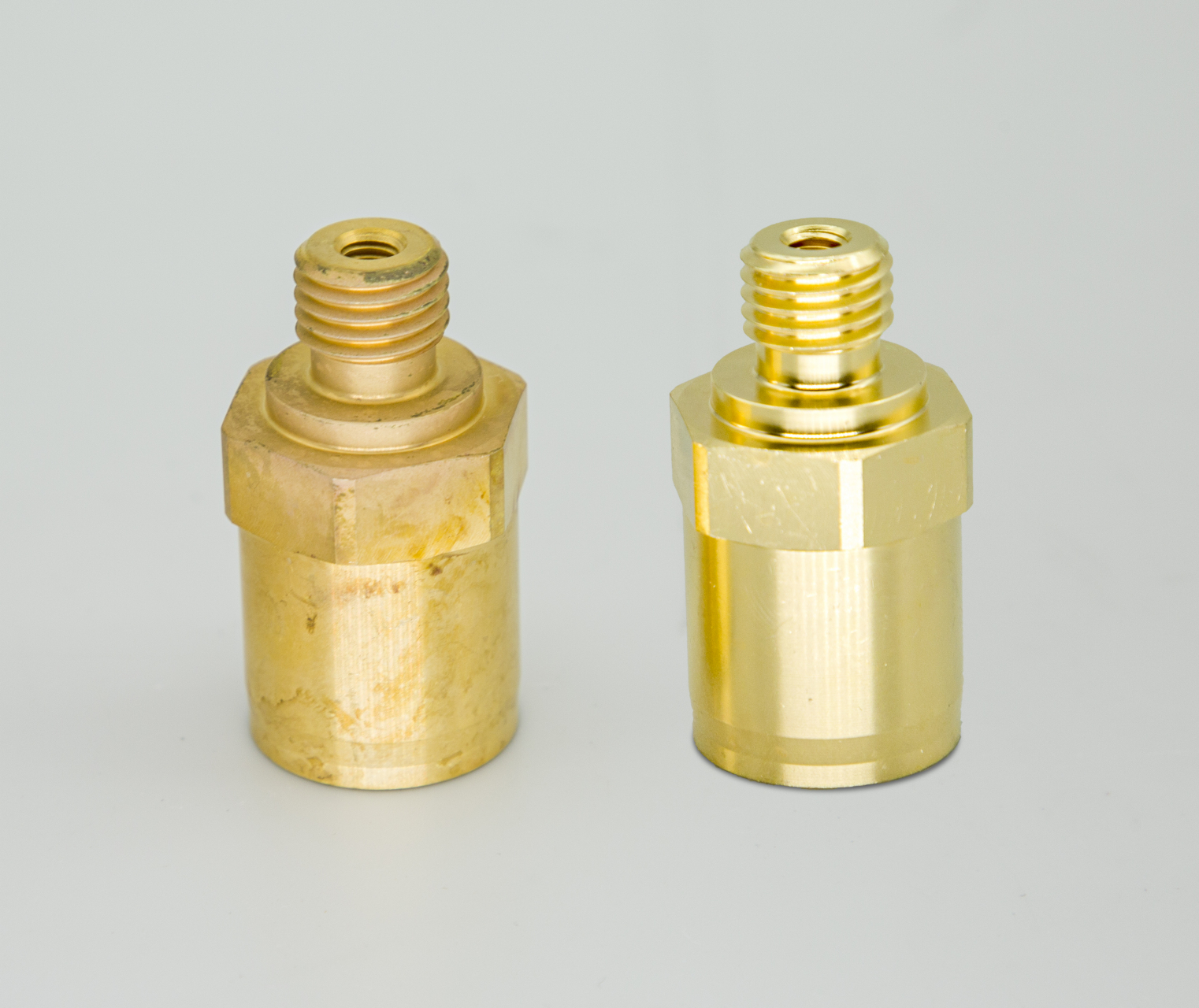
Mechanical Polishing Methods
Step-by-Step Guide to Hand Polishing
Hand polishing is a traditional method suitable for small items or intricate designs. Start with a coarse grit (e.g., 320) to remove surface imperfections, then progress to finer grits (400, 600) using directional strokes. Finish with a polishing compound and a soft cloth to achieve a high shine. This method offers control but requires patience and skill.
Using Power Tools for Efficiency
Power tools like rotary buffers or polishing machines expedite the process, especially for larger surfaces. Attach a felt or wool pad to the tool, apply a suitable abrasive compound, and move the tool in consistent motions. Avoid excessive pressure to prevent heat buildup and surface distortion. Power tools are ideal for achieving uniform finishes on flat or curved copper surfaces.
Choosing the Right Abrasives
Selecting appropriate abrasives is critical. Coarse grits remove deep scratches, while fine grits refine the surface. For a mirror finish, start with a medium grit (e.g., 400) and gradually move to ultra-fine grits (1000+). Use cutting fluids or lubricants to enhance performance and reduce friction during mechanical polishing.
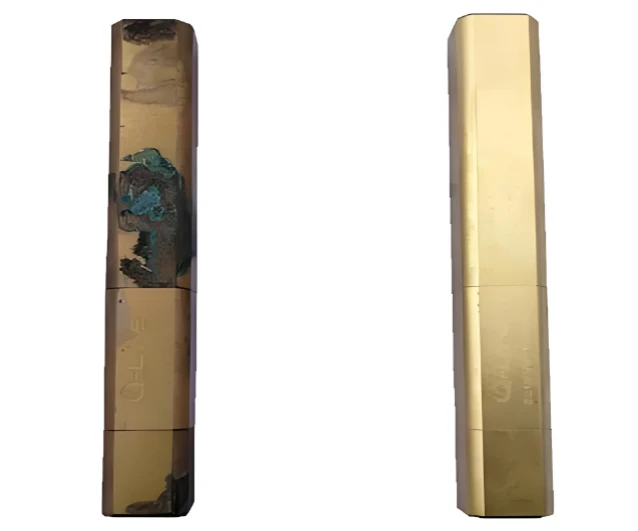
Chemical Polishing Techniques
Overview of Chemical Polishing
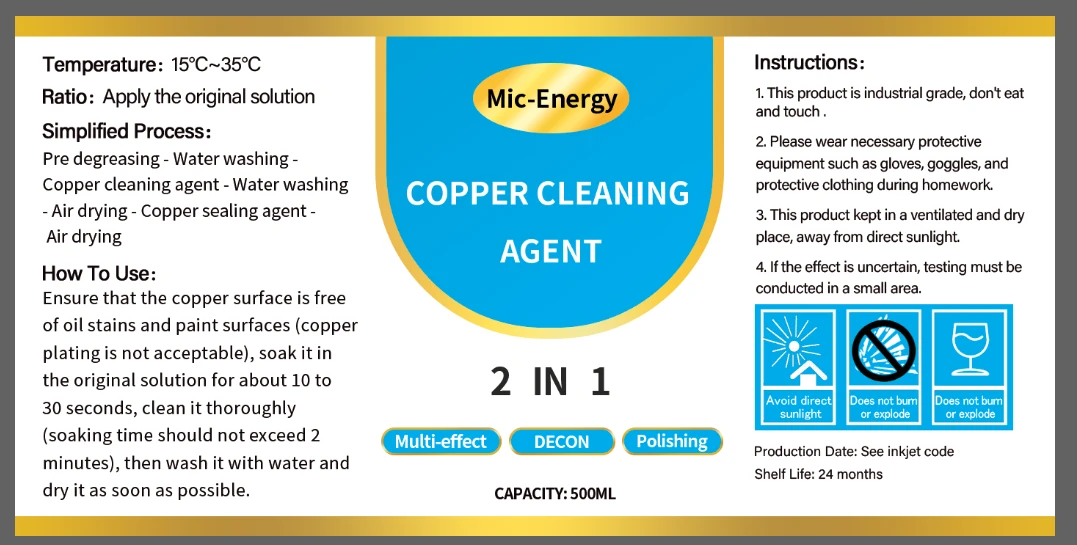
Chemical polishing involves immersing copper in solutions that dissolve surface layers, leaving a smooth finish. This method is efficient for complex shapes or hard-to-reach areas. Common solutions include mixtures of acids (e.g., nitric, phosphoric) and other chemicals tailored to copper's properties.
Common Chemical Solutions for Copper
A typical solution comprises nitric acid, phosphoric acid, and acetic acid in specific proportions. Nitric acid aggressively removes oxidation, while phosphoric acid smoothens the surface. Acetic acid helps control the reaction rate. Always prepare solutions in a well-ventilated area and use corrosion-resistant containers.
Step-by-Step Chemical Polishing Process
Preparation: Clean the copper item to remove oils or debris.
Immersion: Submerge the item in the chemical solution for a short duration (e.g., 1-2 minutes).
Rinsing: Immediately rinse with water to halt the reaction.
Neutralization: Use a mild base (e.g., baking soda solution) to neutralize any residual acids.
Drying: Pat dry with a clean cloth to prevent water spots.
Safety Measures
Chemical polishing poses risks due to toxic fumes and corrosive substances. Work in a fume hood or outdoors with proper ventilation. Wear gloves, goggles, and protective clothing. Store chemicals safely and dispose of waste according to environmental regulations.
Electropolishing Copper
What is Electropolishing?
Electropolishing is an electrochemical process that uses an electric current to remove surface material from copper, resulting in a smooth, reflective finish. It is particularly effective for achieving precise mirror finishes on complex geometries. The process involves immersing the copper in an electrolyte solution and applying a current to dissolve surface imperfections.
Advantages of Electropolishing
This method offers superior surface quality compared to mechanical or chemical polishing. It removes material uniformly, reducing the risk of scratches or distortions. Electropolishing also enhances corrosion resistance by creating a passive oxide layer. It is widely used in industries requiring high-precision components.
Step-by-Step Electropolishing Process
Preparation: Clean the copper item thoroughly.
Electrolyte Selection: Choose a suitable electrolyte solution (e.g., phosphoric acid-based).
Immersion: Submerge the item in the electrolyte and connect it to an anode.
Current Application: Apply a controlled electric current for a specific duration.
Rinsing: Rinse with water to remove electrolyte residues.
Drying: Dry the item to reveal a mirror finish.
Safety Considerations
Electropolishing involves handling electricity and corrosive chemicals. Ensure equipment is properly grounded to prevent electrical hazards. Use protective gear and work in a controlled environment. Dispose of electrolyte solutions responsibly to avoid environmental harm.
Maintaining the Mirror Finish
Preventing Tarnish and Oxidation
To preserve the polished copper's shine, apply protective coatings like lacquer or wax. Store items in dry, low-humidity environments to minimize exposure to air and moisture. Regular cleaning with mild soap and water helps prevent tarnish buildup.
Regular Cleaning and Care
Avoid abrasive cleaners that can scratch the surface. Instead, use soft cloths and non-abrasive solutions for routine maintenance. For stubborn tarnish, consider gentle polishing with specialized copper cleaners.
Long-Term Preservation Tips
For long-term preservation, display polished copper in climate-controlled settings. Avoid direct sunlight, which can accelerate oxidation. Periodically inspect items for signs of wear and reapply protective coatings as needed.
Troubleshooting Common Issues
Addressing Streaks and Uneven Polishing
Streaks often result from inconsistent pressure or using worn-out abrasives. Ensure even strokes during mechanical polishing and replace tools regularly. For chemical or electropolishing, verify solution concentrations and immersion times for uniformity.
Fixing Over-Polishing Damage
Over-polishing can remove too much material, causing thinning or warping. To fix this, assess the damage and reapply material if necessary. Use finer abrasives to blend areas and restore surface integrity.
Solutions for Persistent Tarnish
If tarnish persists after polishing, consider deeper cleaning methods like electrolytic cleaning or professional restoration services. Identify the cause of tarnish (e.g., exposure to sulfur compounds) and take preventive measures.
Advanced Polishing Techniques
Layered Polishing for Complex Shapes
For intricate designs, use a layered approach: start with coarse abrasives for initial shaping, then progress to finer grits for detail work. Finish with chemical or electropolishing for a flawless mirror finish. This method ensures uniformity across all surfaces.
Combining Mechanical and Chemical Methods
Integrate mechanical polishing for initial surface refinement and chemical polishing for final smoothness. This hybrid approach leverages the strengths of both techniques, offering efficiency and high-quality results.
Innovative Polishing Technologies
Emerging technologies like laser polishing and robotic systems are revolutionizing copper finishing. These methods provide precision and consistency, ideal for industrial applications. Stay updated on advancements to enhance your polishing practices.
Environmental and Health Considerations
Eco-Friendly Polishing Practices
Choose environmentally friendly abrasives and chemicals to minimize ecological impact. Opt for water-based solutions and biodegradable materials. Properly dispose of waste to prevent pollution.
Health Risks and Mitigation
Polishing copper involves exposure to hazardous substances. Implement safety protocols, such as using PPE and working in ventilated areas. Educate yourself on handling chemicals safely to protect health.
Sustainable Polishing Solutions
Adopt sustainable practices like recycling polishing waste and using energy-efficient equipment. Consider renewable energy sources for power tools. These steps reduce environmental footprint and promote responsible craftsmanship.