

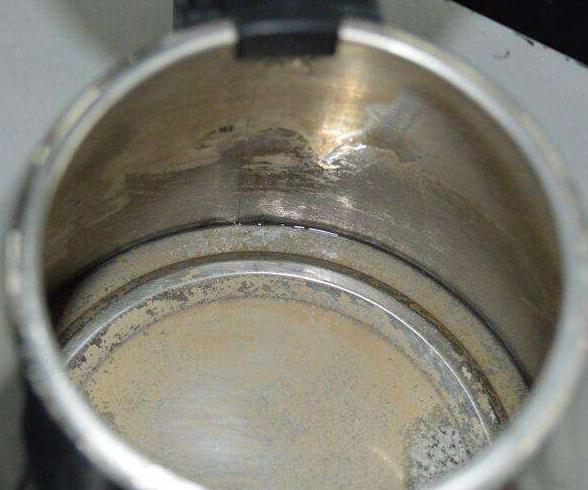
Hardened limescale is a common and stubborn problem that plagues households and various facilities. Formed by the accumulation of calcium and magnesium ions in hard water after evaporation, it adheres to the surfaces of appliances, pipes, and fixtures, not only affecting their appearance but also reducing their efficiency and lifespan. From kettles and coffee makers in the kitchen to showerheads and faucets in the bathroom, hardened limescale can be found everywhere. Addressing this issue requires effective methods, and among the numerous descaling solutions available, the citric acid descaling agent stands out for its safety, efficiency, and environmental friendliness. This article will delve into the details of removing hardened limescale, with a particular focus on the application of the citric acid descaling agent.
Understanding Hardened Limescale: Causes, Hazards, and Common Affected Areas
Before exploring the methods to remove hardened limescale, it is essential to have a comprehensive understanding of this substance. This section will analyze the causes of hardened limescale formation, its potential hazards, and the common areas where it tends to accumulate.
Causes of Hardened Limescale Formation
Hard water is the primary culprit behind limescale formation. When hard water is heated or evaporates, the dissolved calcium bicarbonate and magnesium bicarbonate in it decompose into insoluble calcium carbonate and magnesium carbonate. These insoluble substances gradually precipitate and adhere to the surfaces of objects that come into contact with the water, such as the inner walls of kettles, the heating elements of water heaters, and the nozzles of showerheads. Over time, with repeated exposure to water and heat, the accumulated precipitate becomes thicker and harder, forming what we know as hardened limescale. The degree of limescale hardening is closely related to factors such as the hardness of the water, the frequency of water use, and the temperature of the water. Higher water hardness, more frequent water use, and higher water temperatures all accelerate the formation and hardening of limescale.
Hazards of Hardened Limescale
The presence of hardened limescale can bring about a series of problems. In household appliances, for example, limescale adhering to the heating elements of kettles and water heaters acts as an insulator, reducing the heat transfer efficiency. This not only increases energy consumption but also causes the heating elements to overheat, shortening their service life and even posing safety risks such as short circuits. In pipes, hardened limescale can narrow the inner diameter of the pipes, increasing water flow resistance and reducing water pressure. In severe cases, it can lead to pipe blockages, requiring costly repairs or replacements. In addition, limescale can also affect the quality of water. It may release calcium and magnesium ions into the water, and in some cases, it can provide a breeding ground for bacteria, posing potential threats to human health.
Common Areas Affected by Hardened Limescale
Hardened limescale can accumulate in various areas of a household or facility. In the kitchen, common affected areas include kettles, coffee makers, tea pots, dishwashers, and the inner walls of water pipes connected to these appliances. In the bathroom, showerheads, faucets, bathtubs, sinks, and water heaters are frequently plagued by limescale. In industrial settings, limescale can form in boilers, heat exchangers, and cooling systems, affecting the normal operation of industrial equipment. Understanding these common affected areas is crucial for targeted descaling efforts.

Why Choose Citric Acid Descaling Agent for Removing Hardened Limescale?
When it comes to removing hardened limescale, there are many descaling products and methods on the market, such as hydrochloric acid-based descaling agents, vinegar, and mechanical cleaning. However, the citric acid descaling agent has become a preferred choice for many people. This section will explore the reasons why the citric acid descaling agent is an excellent option for removing hardened limescale.
Safety: A Priority for Household and Industrial Use
One of the most significant advantages of the citric acid descaling agent is its high level of safety. Unlike strong acid descaling agents such as hydrochloric acid and sulfuric acid, which are highly corrosive and can cause burns to the skin and eyes, and damage to the surfaces of appliances and pipes, the citric acid descaling agent is a weak organic acid. It is non-toxic, non-corrosive to most common materials such as stainless steel, glass, ceramic, and plastic, and does not produce harmful fumes during use. This makes it safe for use in households, even in areas where children and pets may be present. In industrial settings, it also reduces the risk of damage to equipment and ensures the safety of workers.
Efficiency: Effectively Removing Hardened Limescale
Despite being a weak acid, the citric acid descaling agent is highly effective in removing hardened limescale. Citric acid can react with the calcium carbonate and magnesium carbonate in limescale to form soluble calcium citrate and magnesium citrate. These soluble substances can be easily washed away with water, leaving the surfaces of appliances and pipes clean and free of limescale. The reaction process is relatively fast, especially when used at an appropriate temperature. For moderately hardened limescale, soaking or circulating the citric acid descaling solution for a certain period can achieve satisfactory descaling results. Even for severely hardened limescale, after prolonged soaking or repeated use, the citric acid descaling agent can gradually break down and remove the limescale.
Environmental Friendliness: Reducing the Impact on the Ecosystem
In today's world, environmental protection has become a global concern, and the choice of descaling agents should also take into account their environmental impact. The citric acid descaling agent is an environmentally friendly option. Citric acid is a natural substance that can be derived from citrus fruits such as lemons and oranges through fermentation. It is biodegradable, meaning that after use, the waste solution containing citric acid and its reaction products can be decomposed by microorganisms in the environment into harmless substances such as carbon dioxide and water, without causing pollution to soil, water sources, or the atmosphere. In contrast, some chemical descaling agents contain toxic and non-biodegradable components that can accumulate in the environment, causing long-term harm to the ecosystem.
Versatility: Suitable for Various Surfaces and Appliances
The citric acid descaling agent is highly versatile and can be used on a wide range of surfaces and appliances affected by hardened limescale. It is suitable for cleaning stainless steel kettles, glass coffee makers, ceramic bathtubs, plastic showerheads, and copper faucets, among others. Unlike some descaling agents that are only suitable for specific materials, the citric acid descaling agent does not cause discoloration, scratches, or other damages to these surfaces. This versatility makes it a one-stop solution for descaling various items in the home and workplace, eliminating the need to purchase multiple descaling products for different purposes.
How to Use Citric Acid Descaling Agent to Remove Hardened Limescale?
To maximize the effectiveness of the citric acid descaling agent in removing hardened limescale, it is essential to use it correctly. This section will provide a detailed step-by-step guide on how to use the citric acid descaling agent for different types of appliances and surfaces, along with some tips to enhance the descaling effect.
Preparation: Gather the Necessary Materials and Tools
Before starting the descaling process, it is important to gather all the necessary materials and tools. The main material required is, of course, the citric acid descaling agent, which is available in powder or liquid form in the market. You will also need water (preferably warm water, as it can accelerate the reaction between citric acid and limescale), a container for mixing the descaling solution (such as a bucket or a bowl), a brush (with soft or medium bristles, depending on the surface to be cleaned), a sponge or a cloth, and protective gloves (optional, but recommended to prevent direct contact with the descaling solution, especially for people with sensitive skin). Additionally, for appliances with complex structures such as coffee makers and dishwashers, you may need to refer to the manufacturer's instructions to ensure that the descaling process does not damage the appliance.
Step-by-Step Guide for Common Appliances and Surfaces
Descaling Kettles with Citric Acid Descaling Agent
Kettles are one of the most common appliances affected by hardened limescale. To descale a kettle using the citric acid descaling agent, follow these steps:
Empty the kettle of any remaining water.
Prepare the descaling solution: Depending on the severity of the limescale, mix 1-2 tablespoons of citric acid powder (or the corresponding amount of liquid citric acid descaling agent) with 500-1000 milliliters of warm water in the kettle. Stir the solution well to ensure that the citric acid is fully dissolved.
Bring the descaling solution to a boil. Once boiling, turn off the heat and let the solution soak in the kettle for 15-30 minutes. For severely hardened limescale, you can extend the soaking time to 1-2 hours or even overnight.
After soaking, use a soft brush to gently scrub the inner walls of the kettle, focusing on the areas with thick limescale. The limescale should easily come off.
Empty the descaling solution from the kettle and rinse it thoroughly with clean water 2-3 times to remove any remaining citric acid residue.
Fill the kettle with clean water and boil it once. Discard the boiled water to ensure that no residual citric acid remains, and the kettle is ready for use.
Descaling Coffee Makers with Citric Acid Descaling Agent
Coffee makers are prone to limescale buildup, which can affect the taste of coffee and the performance of the machine. Here's how to descale a coffee maker using the citric acid descaling agent:
Empty the coffee maker of any coffee grounds and discard any remaining water in the water tank.
Prepare the descaling solution: Mix 1 tablespoon of citric acid powder with 500 milliliters of warm water. Stir until the citric acid is completely dissolved.
Pour the descaling solution into the water tank of the coffee maker.
Place a clean cup under the coffee outlet to collect the descaling solution.
Turn on the coffee maker and run a brewing cycle as if making coffee. Let the descaling solution flow through the machine completely.
Once the first brewing cycle is completed, empty the cup and run 2-3 more brewing cycles with clean water to rinse the machine thoroughly. This step is crucial to remove any citric acid residue that may affect the taste of future coffee.
After rinsing, wipe the exterior of the coffee maker with a damp cloth to remove any spills or stains.
Descaling Showerheads and Faucets with Citric Acid Descaling Agent
Showerheads and faucets often have small holes that can become clogged with limescale, reducing water flow. To descale them using the citric acid descaling agent:
Remove the showerhead from the shower arm (if possible) and the faucet aerator (if applicable). Soak these parts in a container filled with the citric acid descaling solution (prepared by mixing 1-2 tablespoons of citric acid powder with 200-300 milliliters of warm water) for 30-60 minutes. For stubborn limescale, you can soak them overnight.
For the shower arm and the faucet body, dip a sponge or a cloth in the descaling solution and wrap it around the affected areas. Secure the sponge or cloth with a rubber band if necessary and let it soak for 30-60 minutes.
After soaking, use a small brush (such as a toothbrush) to clean the small holes of the showerhead and the aerator, removing any remaining limescale. For the shower arm and faucet body, scrub gently with the sponge or cloth.
Rinse all the parts thoroughly with clean water to remove the descaling solution and limescale residue.
Reinstall the showerhead and the faucet aerator, and turn on the water to check if the water flow has improved.
Tips to Enhance the Descaling Effect of Citric Acid Descaling Agent
Adjust the concentration of the descaling solution: For lightly hardened limescale, a lower concentration of the citric acid descaling solution (such as 1 tablespoon of citric acid powder per 1000 milliliters of water) is sufficient. For severely hardened limescale, increase the concentration (such as 2-3 tablespoons of citric acid powder per 500 milliliters of water) to enhance the descaling effect.
Use warm or hot water: Warm or hot water can speed up the reaction between citric acid and limescale, making the descaling process more efficient. However, be careful not to use water that is too hot for heat-sensitive surfaces or appliances.
Extend the soaking time: For stubborn limescale, extending the soaking time allows the citric acid descaling agent to fully penetrate and break down the limescale, making it easier to remove.
Agitate the descaling solution: During the soaking process, occasionally agitate the descaling solution or gently scrub the surface to help loosen the limescale.
Repeat the descaling process if necessary: If the first descaling attempt does not completely remove the limescale, repeat the process until the surface is clean.

Safety Precautions When Using Citric Acid Descaling Agent
Although the citric acid descaling agent is relatively safe, it is still important to follow certain safety precautions to ensure safe and effective use. This section will outline the key safety measures to take when using the citric acid descaling agent.
Personal Protection Measures
Wear protective gloves: Although the citric acid descaling agent is non-toxic and less corrosive, prolonged direct contact with the skin may cause dryness or irritation, especially for people with sensitive skin. Wearing rubber or latex gloves can protect the hands from direct contact with the descaling solution.
Avoid contact with eyes: If the citric acid descaling solution comes into contact with the eyes, it may cause irritation. In case of eye contact, immediately rinse the eyes with plenty of clean water for at least 15 minutes and seek medical attention if necessary.
Avoid inhalation of citric acid powder: When using citric acid powder, avoid inhaling the powder, as it may cause respiratory irritation. It is recommended to mix the powder with water in a well-ventilated area and avoid creating dust.
Protection of Appliances and Surfaces
Check the compatibility of materials: Before using the citric acid descaling agent on a particular surface or appliance, check the manufacturer's instructions to ensure that the material is compatible with citric acid. Although citric acid is non-corrosive to most common materials, some special materials may be sensitive to it.
Do not leave the descaling solution on surfaces for too long: While soaking is necessary for descaling, leaving the citric acid descaling solution on some surfaces (such as aluminum) for an extended period may cause slight discoloration or damage. Therefore, after the recommended soaking time, rinse the surface thoroughly with clean water.
Avoid using on damaged surfaces: Do not use the citric acid descaling agent on surfaces with cracks, scratches, or other damages, as the descaling solution may seep into the damaged areas and cause further damage.
Storage and Handling of Citric Acid Descaling Agent
Store in a cool, dry, and well-ventilated place: Citric acid descaling agent (especially in powder form) should be stored in a sealed container in a cool, dry, and well-ventilated area to prevent moisture absorption and caking. Avoid storing it near heat sources or direct sunlight.
Keep out of reach of children and pets: To prevent accidental ingestion or contact, store the citric acid descaling agent in a place that is out of reach of children and pets.
Do not mix with other chemicals: Do not mix the citric acid descaling agent with other descaling agents, cleaning products, or chemicals, as this may cause chemical reactions, produce harmful gases, or reduce the descaling effect.
Comparing Citric Acid Descaling Agent with Other Descaling Methods
To further highlight the advantages of the citric acid descaling agent, it is helpful to compare it with other common descaling methods. This section will compare the citric acid descaling agent with hydrochloric acid-based descaling agents, vinegar, and mechanical cleaning in terms of effectiveness, safety, environmental friendliness, and cost.
Citric Acid Descaling Agent vs. Hydrochloric Acid-Based Descaling Agents
Effectiveness: Hydrochloric acid-based descaling agents are strong acids and can quickly and effectively remove even severely hardened limescale. The citric acid descaling agent, while effective, may require a longer soaking time or repeated use for very stubborn limescale.
Safety: Hydrochloric acid-based descaling agents are highly corrosive. They can cause severe burns to the skin and eyes, damage the surfaces of appliances and pipes (especially metal surfaces), and release toxic fumes that are harmful to human health and the environment. The citric acid descaling agent, on the other hand, is non-toxic, non-corrosive to most materials, and does not produce harmful fumes, making it much safer to use.
Environmental friendliness: Hydrochloric acid-based descaling agents are not biodegradable and can cause serious pollution to water sources and soil if not disposed of properly. The citric acid descaling agent is biodegradable and has minimal impact on the environment.
Cost: Hydrochloric acid-based descaling agents are generally cheaper than the citric acid descaling agent. However, considering the safety risks and potential damage to appliances and the environment, the citric acid descaling agent is a more cost-effective choice in the long run.
Citric Acid Descaling Agent vs. Vinegar
Effectiveness: Vinegar (which contains acetic acid) is a common household item used for descaling, but its effectiveness is generally lower than that of the citric acid descaling agent. Acetic acid has a lower acidity level compared to citric acid, meaning it takes longer to break down hardened limescale. For lightly scaled surfaces, vinegar may work after prolonged soaking (often 2-4 hours or overnight), but for moderately to severely hardened limescale, it may only loosen the surface layer rather than fully remove it. In contrast, the citric acid descaling agent, with its stronger chelating ability (the ability to bind to calcium and magnesium ions), can dissolve hardened limescale more thoroughly in a shorter time-typically 30 minutes to 2 hours for most cases. For example, a kettle with thick limescale may require soaking in vinegar overnight to see minimal results, while the same kettle can be cleaned effectively with a citric acid solution in just 1 hour.
Safety: Both vinegar and the citric acid descaling agent are considered safe for household use, but the citric acid descaling agent has a slight edge in terms of material compatibility. Vinegar's acetic acid can cause discoloration or etching on sensitive surfaces like marble, limestone, or some types of stainless steel over time, especially with repeated use. The citric acid descaling agent, being a milder organic acid, is less likely to damage these surfaces. Additionally, vinegar may corrode aluminum surfaces more quickly than citric acid; for instance, soaking an aluminum kettle in vinegar for too long can lead to a dull, pitted finish, whereas the citric acid descaling agent will not cause such damage when used as directed.
Odor and Residue: One of the most noticeable drawbacks of vinegar is its strong, pungent odor. This odor can linger on appliances (such as coffee makers or kettles) even after multiple rinses, affecting the taste of food or drinks prepared in them. For example, a coffee maker descaled with vinegar may produce coffee with a slight vinegary aftertaste for several brews. The citric acid descaling agent, on the other hand, has a mild, citrus-like scent (or no scent at all for pure formulations) that dissipates quickly. It also leaves little to no residue when rinsed properly, ensuring that the taste of beverages or the quality of cleaned surfaces remains uncompromised.
Cost and Convenience: Vinegar is often cheaper and more readily available than the citric acid descaling agent, as it can be purchased at any grocery store for a low price. However, the citric acid descaling agent offers better value in terms of concentration and efficiency. A small amount of citric acid powder (1-2 tablespoons) can make a large volume of descaling solution, whereas vinegar needs to be used in larger quantities (often filling half the kettle or water tank) to achieve similar results. Additionally, the citric acid descaling agent is available in powder form, which is lightweight and easy to store, while vinegar is liquid and bulky, taking up more space in cabinets.
Citric Acid Descaling Agent vs. Mechanical Cleaning
Effectiveness: Mechanical cleaning involves using tools such as scrapers, brushes, or sandpaper to physically remove hardened limescale. While this method can be effective for surface-level limescale on hard, non-delicate surfaces (like the exterior of a faucet), it struggles with deeply embedded or hard-to-reach limescale (such as inside coffee maker tubes or showerhead nozzles). The citric acid descaling agent, by contrast, works chemically to dissolve limescale from the inside out, reaching areas that mechanical tools cannot access. For example, mechanical cleaning cannot remove limescale from the narrow heating element of a kettle without risking scratches, but the citric acid descaling agent can circulate around the element and dissolve the limescale completely.
Safety for Surfaces: Mechanical cleaning poses a high risk of damaging surfaces. Scrapers or abrasive brushes can scratch ceramic, glass, or stainless steel, creating tiny grooves where limescale can accumulate more easily in the future. Over time, this can ruin the appearance of appliances and fixtures and reduce their lifespan. The citric acid descaling agent is non-abrasive and works gently to dissolve limescale without leaving any scratches or marks. It is safe to use on even delicate surfaces like glass coffee maker carafes or ceramic bathtubs, preserving their original condition.
Time and Effort: Mechanical cleaning is labor-intensive and time-consuming. Removing hardened limescale from a single appliance (like a dishwasher) can take hours of scrubbing, and it often requires repeated efforts to fully remove all traces. The citric acid descaling agent, once mixed into a solution, requires minimal effort-simply soak the affected item or run the solution through the appliance and wait for the chemical reaction to occur. This frees up time for other tasks and reduces physical strain.
Long-Term Impact: Mechanical cleaning can only address existing limescale and does not prevent future buildup. In fact, the scratches caused by mechanical tools can accelerate limescale formation. The citric acid descaling agent, when used regularly as part of a maintenance routine, not only removes existing limescale but also leaves a slight protective layer that slows down future accumulation. For example, regular descaling of a water heater with the citric acid descaling agent can keep the heating element free of limescale for longer periods compared to mechanical cleaning.

Maintenance Tips to Prevent Hardened Limescale Buildup (With Citric Acid Descaling Agent)
Preventing hardened limescale buildup is more efficient and cost-effective than removing it. Incorporating the citric acid descaling agent into a regular maintenance routine can significantly reduce limescale accumulation and extend the lifespan of appliances and fixtures. This section will outline practical maintenance tips that leverage the citric acid descaling agent to keep limescale at bay.
Establish a Regular Descaling Schedule with Citric Acid Descaling Agent
The frequency of descaling depends on the hardness of the water and the frequency of appliance use. For households with very hard water (indicated by rapid limescale buildup in kettles or showerheads), a monthly descaling routine is recommended. For moderate hard water, descaling every 2-3 months is sufficient. Here's how to integrate the citric acid descaling agent into the schedule:
Kettles: After every 10-15 uses, fill the kettle with a dilute citric acid solution (1 teaspoon of citric acid powder per 500 milliliters of water), bring it to a boil, and let it soak for 10 minutes. Rinse thoroughly. This prevents limescale from hardening on the heating element.
Coffee Makers: Run a citric acid descaling cycle (using the same concentration as outlined in Section 3.2.2) every 1-2 months, depending on how often you make coffee. This keeps the internal tubes and heating element free of limescale, ensuring consistent coffee taste and machine performance.
Showerheads and Faucets: Soak removable parts (like showerhead nozzles or faucet aerators) in a citric acid solution for 30 minutes every month. Wipe down the exterior with a damp cloth dipped in the solution to prevent surface limescale.
Use Citric Acid Descaling Agent to Treat Water Sources
For appliances that use large amounts of water (like dishwashers or washing machines), treating the water before it enters the appliance can prevent limescale buildup. One simple method is to add a small amount of citric acid powder to the water softener compartment of the dishwasher or washing machine during each cycle. For dishwashers, add 1-2 teaspoons of citric acid powder along with the detergent. For washing machines, add 2-3 teaspoons to the fabric softener drawer. The citric acid neutralizes the calcium and magnesium ions in the water, preventing them from precipitating as limescale on the appliance's interior or on clothes/dishes.
Combine Citric Acid Descaling Agent with Preventive Practices
In addition to regular descaling, adopting simple preventive practices can enhance the effectiveness of the citric acid descaling agent:
Wipe down wet surfaces: After using faucets, showerheads, or bathtubs, wipe them dry with a clean cloth. This removes water droplets before they evaporate and leave limescale deposits. For added protection, dampen the cloth with a dilute citric acid solution (1 teaspoon per 1000 milliliters of water) before wiping.
Empty appliances after use: Empty kettles, coffee makers, and humidifiers after each use to prevent standing water from evaporating and forming limescale. If you need to leave water in the kettle, add a pinch of citric acid powder to keep the water from hardening.
Install a water softener (for severe hard water): For households with extremely hard water, installing a water softener is a long-term solution. However, even with a water softener, using the citric acid descaling agent periodically (every 3-4 months) can remove any residual limescale that may accumulate.
Troubleshooting Common Issues When Using Citric Acid Descaling Agent
While the citric acid descaling agent is easy to use, some common issues may arise during the descaling process. This section will address these issues and provide solutions to ensure successful limescale removal.
Citric Acid Descaling Agent Fails to Remove Severely Hardened Limescale
If the citric acid descaling agent does not fully remove severely hardened limescale after the first attempt, there are several steps you can take:
Increase the concentration: Double the amount of citric acid powder in the solution (e.g., use 2 tablespoons per 500 milliliters of water instead of 1). This strengthens the solution's ability to dissolve limescale.
Extend soaking time: Let the item soak in the citric acid solution for 4-6 hours (or overnight) instead of the recommended 30 minutes to 2 hours. This gives the citric acid more time to break down the limescale.
Use hot water: Heat the citric acid solution to near-boiling (without boiling, to avoid damaging heat-sensitive surfaces) before applying it. Hot water accelerates the chemical reaction between citric acid and limescale.
Scrub gently: After soaking, use a soft-bristled brush to gently scrub the limescale. The combination of chemical dissolution and mild physical scrubbing can remove even the hardest deposits.
Residue Left After Using Citric Acid Descaling Agent
If you notice a white or powdery residue on the surface of the appliance after descaling, this is likely leftover citric acid or calcium citrate (a byproduct of the descaling reaction). To remove it:
Rinse thoroughly: Run the appliance through multiple rinse cycles with clean water. For kettles, boil water and discard it 2-3 times. For coffee makers, run 3-4 brewing cycles with clean water.
Wipe with a damp cloth: For surfaces like faucets or bathtubs, wipe the residue with a damp cloth dipped in warm water. If the residue is stubborn, add a drop of dish soap to the cloth.
Adjust the concentration: If residue is a recurring issue, reduce the concentration of the citric acid solution (e.g., use 1 teaspoon per 500 milliliters of water instead of 2). This reduces the amount of leftover citric acid.
Discoloration of Surfaces After Using Citric Acid Descaling Agent
In rare cases, the citric acid descaling agent may cause slight discoloration on certain surfaces (like aluminum or copper). To fix this and prevent future discoloration:
Stop use immediately: If you notice discoloration, rinse the surface with clean water right away.
Neutralize the acid: Wipe the surface with a damp cloth dipped in a dilute baking soda solution (1 teaspoon of baking soda per 500 milliliters of water). Baking soda neutralizes the citric acid, stopping further discoloration.
Check material compatibility: Before using the citric acid descaling agent on aluminum, copper, or other sensitive metals, test it on a small, inconspicuous area first. If discoloration occurs, avoid using the solution on that surface and opt for a metal-specific descaling product.
The Role of Citric Acid Descaling Agent in Effective Limescale Removal
Hardened limescale is a persistent problem that can damage appliances, reduce efficiency, and affect water quality. However, with the right tools and methods, it can be easily managed-and the citric acid descaling agent stands out as the most effective, safe, and environmentally friendly solution.
Throughout this article, we have explored the science behind limescale formation, the hazards it poses, and the unique advantages of the citric acid descaling agent. Unlike strong chemical descaling agents (like hydrochloric acid), it is non-toxic and non-corrosive, making it safe for households with children and pets. Unlike vinegar, it is more effective at dissolving hardened limescale, leaves no strong odor, and is compatible with most surfaces. Unlike mechanical cleaning, it is gentle, time-saving, and reaches hard-to-access areas.
By following the step-by-step guides outlined in Section 3, adhering to the safety precautions in Section 4, and integrating the citric acid descaling agent into a regular maintenance routine (as suggested in Section 6), you can keep your appliances and fixtures free of hardened limescale for years to come. Whether you are descaling a kettle, a coffee maker, or a showerhead, the citric acid descaling agent provides a reliable, cost-effective, and eco-friendly solution.
In a world where sustainability and safety are increasingly important, the citric acid descaling agent is not just a descaling product-it is a smart choice for maintaining a clean, efficient, and healthy home. So, the next time you encounter hardened limescale, reach for the citric acid descaling agent-and experience the difference for yourself.