

Modern Rust Removal Solutions: Chemistry and Applications
Introduction
Rust, the reddish-brown oxide formed by iron oxidation, poses significant challenges across industries. Effective rust removal has become essential for equipment maintenance, automotive restoration, and infrastructure preservation. This paper examines the chemical compositions, working mechanisms, and comparative advantages of contemporary rust removal formulations.
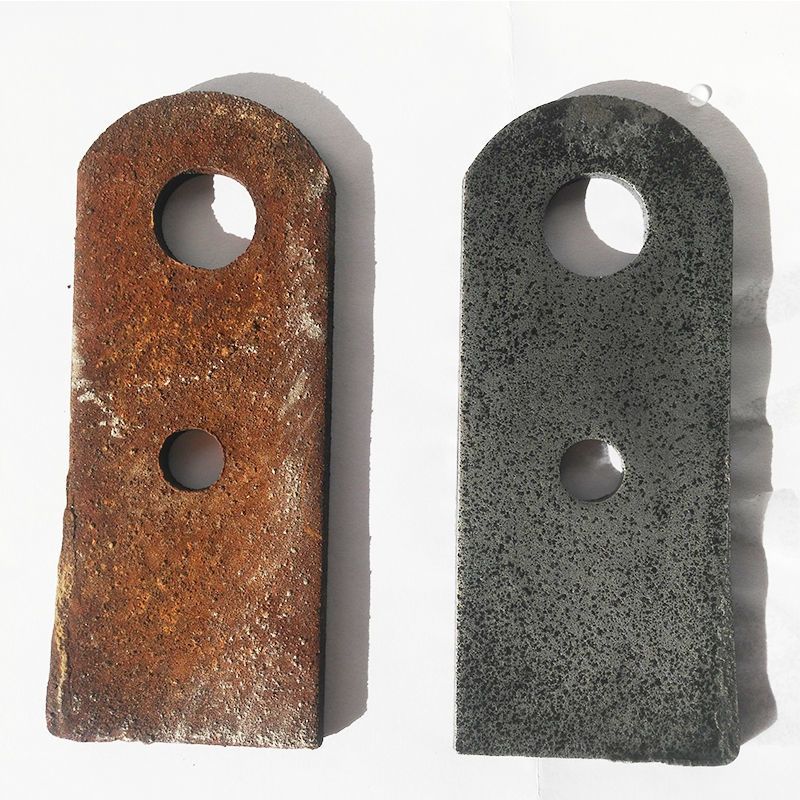
Rust removers are chemical solutions designed to dissolve iron oxide (rust) from metal surfaces efficiently. These products typically contain acidic compounds like phosphoric acid or eco-friendly alternatives for safer household use. Industrial-grade rust removers work within minutes to soften corrosion, while consumer versions offer gentler action for tools and automotive parts.
Proper application involves spraying or brushing the solution onto affected areas, allowing brief dwell time (usually 5-15 minutes), then scrubbing with a wire brush. Safety precautions-gloves, goggles, and ventilation-are mandatory due to potential chemical irritation. Post-treatment, rinsing with water and applying anti-rust coatings significantly prolongs metal lifespan.
Modern rust removers feature biodegradable formulas, reducing environmental impact. For delicate items like antiques, gel-based variants provide controlled application. When selecting a product, consider metal type, rust severity, and intended use (e.g., automotive repair vs. household maintenance). Regular use prevents structural weakening and maintains equipment functionality.

Chemical Composition Analysis
1. Acid-Based Formulations
Traditional rust removers primarily employ:
Phosphoric acid (H₃PO₄): Converts iron oxide (Fe₂O₃) to ferric phosphate
Hydrochloric acid (HCl): Effective but corrosive (5-15% concentration)
Oxalic acid (C₂H₂O₄): Chelating agent suitable for delicate surfaces
Modern improvements include:
pH-balanced solutions (2.5-4.5 range)
Corrosion inhibitors (benzotriazole derivatives)
Surfactants for improved penetration
2. Chelating Agents
EDTA-based formulations demonstrate advantages:
Non-corrosive to base metals
Selective iron oxide removal
Environmentally preferable (biodegradable variants)
3. Electrochemical Rust Removal
Emerging technologies utilize:
Low-voltage electrolysis (3-12V DC)
Sodium carbonate electrolyte solutions
Anodic protection mechanisms
Performance Comparison
ParameterAcid-BasedChelatingElectrochemicalSpeed5-30 min2-8 hrs4-24 hrsBase Metal SafetyModerateHighVery HighEnvironmental ImpactHighMediumLowCost Efficiency$0.50-2/ft²$1.5-4/ft²$0.3-1/ft²
Application Methodologies
Industrial Applications
Dip Tank Systems
Automated immersion (3-15 minute cycles)
Temperature control (40-60°C optimal)
Filtration systems for solution maintenance
Spray Applications
High-pressure (800-1500 psi) for structural steel
Low-pressure misting for precision components
Consumer Products
Gel formulations for vertical surfaces
Aerosol sprays with precision nozzles
Brush-on compounds for localized treatment
Environmental Considerations
Recent regulatory changes (EPA 2024 standards) mandate:
Phosphate discharge limits (<0.5 mg/L)
VOC content restrictions (<250 g/L)
Biodegradability requirements (OECD 301 standards)
Manufacturers now incorporate:
Plant-derived surfactants
Non-toxic corrosion inhibitors
Recyclable packaging materials
Case Studies
Automotive Restoration
A 2023 study demonstrated:
78% reduction in labor hours using modern gel formulations
92% substrate preservation vs. mechanical methods
40% cost savings over abrasive blasting
Infrastructure Maintenance
New York DOT reported:
3x lifespan extension for bridge components
60% reduction in hazardous waste generation
Compliance with NACE SP0508 standards
Future Developments
Nanotechnology Applications
Self-assembling monolayer protectants
Magnetic nanoparticle rust targeting
Biologically Derived Solutions
Microbial iron oxidation prevention
Enzyme-based rust conversion
Smart Materials
pH-responsive release systems
Color-changing depletion indicators

Conclusion
Modern rust removal technologies have evolved significantly from traditional acid baths. Contemporary solutions balance effectiveness with environmental responsibility, offering tailored approaches for industrial and consumer applications. Continued innovation in material science promises further advancements in corrosion control methodologies.