

In the realm of materials science and engineering, passivation is a crucial process that significantly impacts the properties and performance of metals. This phenomenon involves the formation of a thin, protective film on the surface of metals, which can alter their chemical, physical, and mechanical characteristics in various ways. Understanding what passivation does to metal is essential for a wide range of industries, from manufacturing and construction to electronics and aerospace.
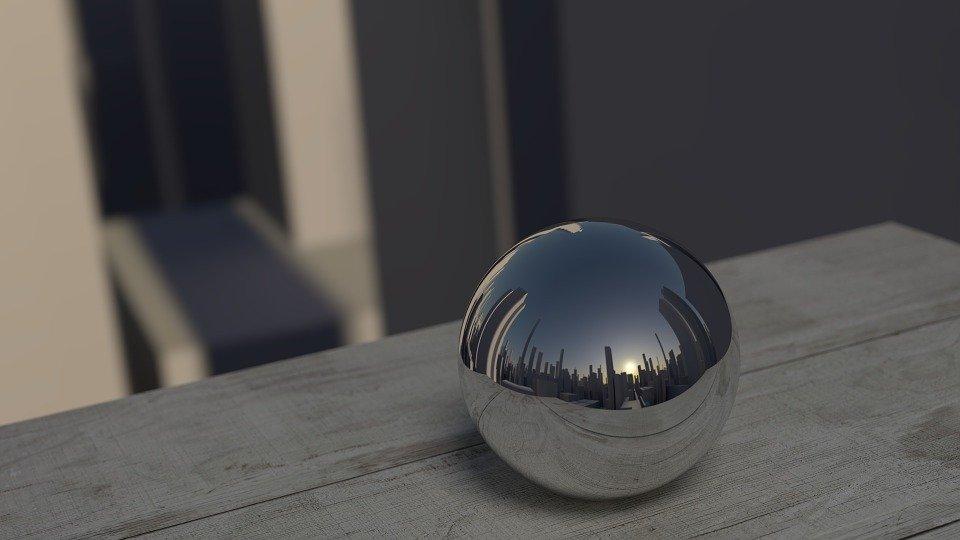
At its core, passivation changes the chemical reactivity of metal. Normally, metals are prone to oxidation, which is the process of losing electrons and reacting with oxygen in the environment. For example, iron rusts when exposed to air and moisture, a result of iron atoms reacting with oxygen to form iron oxide. However, through passivation, a thin, invisible oxide layer forms on the metal surface. This layer acts as a barrier, preventing further direct contact between the metal and the surrounding oxidizing agents, such as oxygen and water. For instance, stainless steel contains chromium, which, when exposed to air, quickly forms a chromium oxide layer through passivation. This layer is so thin-usually only a few nanometers thick-but extremely stable, effectively stopping the underlying iron from rusting and giving stainless steel its well - known corrosion - resistant properties.
The physical appearance of metal can also be affected by passivation. In many cases, the passivation process does not significantly change the color or luster of the metal when the passive film is very thin. However, in some instances, especially when thicker or more complex passive layers are formed, there may be subtle color changes. For example, certain types of anodized aluminum, which is a form of electrochemical passivation, can result in a variety of colors depending on the anodizing conditions. These color changes are due to the interference of light within the porous anodic oxide layer. Moreover, the surface texture of the metal can be modified. Passivation can smooth out microscopic irregularities on the metal surface, reducing surface roughness. A smoother surface not only has aesthetic advantages but also affects the metal's interaction with other substances. For example, a smoother surface is less likely to trap dirt, moisture, or corrosive substances, further enhancing the metal's resistance to corrosion.
In terms of mechanical properties, passivation can have both positive and negative impacts. On the positive side, the passive film can enhance the hardness of the metal surface. This is because the oxide layer is often harder than the underlying metal. For example, in the case of titanium, passivation forms a titanium dioxide layer that increases the surface hardness, making the metal more resistant to wear and abrasion. This property is highly beneficial in applications such as mechanical components and cutting tools. However, in some cases, passivation may introduce stress to the metal surface. If the formation of the passive film causes volume changes or differential expansion and contraction between the film and the metal substrate, it can lead to the generation of internal stresses. These stresses, if not properly managed, may potentially cause cracks in the metal over time, especially under cyclic loading or in harsh environments.
Passivation also plays a vital role in electrical properties. In the electronics industry, metals are often used in components such as conductors and contacts. A passive film can act as an insulator, affecting the electrical conductivity of the metal. For example, if a thick or non - conductive passive layer forms on a copper conductor, it can increase the electrical resistance, which may disrupt the normal operation of electronic circuits. To address this issue, precise control of the passivation process is required in electronics manufacturing to ensure that the passive film is thin enough not to interfere with electrical performance while still providing sufficient protection against corrosion.
In practical applications, the benefits of passivation for metal are far - reaching. In the automotive industry, metals used in vehicle bodies and components are passivated to extend their service life. By preventing corrosion, passivation helps maintain the structural integrity of the vehicle, reducing the need for frequent repairs and replacements. In the food and beverage industry, stainless steel equipment is passivated to ensure hygiene. The passive film on stainless steel prevents the metal from reacting with food acids and other substances, avoiding contamination and ensuring the safety of food products.
In conclusion, passivation has a profound impact on metal, altering its chemical reactivity, physical appearance, mechanical, and electrical properties. It provides essential protection against corrosion, which is crucial for the durability and functionality of metal components in countless applications. However, it also requires careful consideration and control to balance the various effects and optimize the performance of metals. As technology continues to advance, a deeper understanding of passivation and its effects on metal will undoubtedly lead to the development of more efficient and reliable metal - based materials and products.