

In the realm of surface finishing and material engineering, electroless plating has emerged as a revolutionary technique with a plethora of advantages over traditional electroplating methods. Unlike electroplating, which relies on an external electrical current to deposit a metal layer onto a substrate, electroless plating is an autocatalytic chemical process. This fundamental difference in operation endows electroless plating with several unique and significant benefits, making it a preferred choice in numerous industries.

One of the most notable advantages of electroless plating is its ability to produce extremely uniform deposits. In electroplating, the distribution of the electric current can be uneven, especially on complex-shaped parts or those with varying surface geometries. This uneven current distribution often leads to non-uniform plating thickness, with thicker deposits in areas where the current density is higher and thinner or even absent layers in recessed or shadowed regions. In contrast, electroless plating relies on a chemical reaction that occurs uniformly across the entire surface of the substrate as long as it is properly catalyzed. This results in a consistent plating thickness regardless of the part's shape, whether it is a simple flat sheet or a highly intricate component with deep holes, internal channels, or sharp corners. For example, in the manufacturing of electronic connectors with tiny and complex structures, electroless nickel plating can ensure that every contact surface has an even metal layer, which is crucial for maintaining consistent electrical conductivity.
Another significant benefit is the wide range of substrates that can be plated using electroless plating. Traditional electroplating requires the substrate to be an electrical conductor since it depends on the flow of electric current. However, electroless plating can be applied to both conductive and non-conductive materials. Non-conductive substrates such as plastics, ceramics, and glass can be successfully plated after proper surface activation. This expands the application scope of electroless plating significantly. In the automotive industry, plastic components like interior trim pieces, mirror housings, and even some structural parts can be electrolessly plated to give them a metallic appearance, improve wear resistance, or enhance their electromagnetic shielding properties. Similarly, in the aerospace sector, ceramics, which are lightweight and have excellent thermal stability, can be coated with metals through electroless plating to add functions such as corrosion resistance and electrical conductivity.

Electroless plating also offers excellent adhesion between the plating layer and the substrate. The autocatalytic reaction in electroless plating allows the metal atoms to bond chemically with the substrate surface at a molecular level. This strong chemical bonding results in a more durable and reliable coating that is less likely to peel off or delaminate compared to some electroplated coatings. For instance, in the production of printed circuit boards (PCBs), electroless copper plating provides a robust connection between the copper layer and the insulating substrate material. The high - adhesion copper layer can withstand the mechanical and thermal stresses during the PCB manufacturing process and subsequent use, ensuring the long - term reliability of the electronic device.
In terms of cost - effectiveness, electroless plating can be more economical in certain situations. Although the initial setup cost for electroless plating equipment may be relatively high, the process can reduce overall production costs in the long run. Since it does not require complex electrical equipment, electrodes, and electrical power for the plating process, the energy consumption is lower compared to electroplating. Additionally, the uniform deposition of electroless plating reduces the need for post - plating machining or rework to correct thickness variations. This saves both time and labor costs. Moreover, electroless plating solutions can often be regenerated and reused, further reducing the consumption of plating chemicals and associated waste disposal costs.
Environmental considerations also favor electroless plating. Many modern electroless plating processes use environmentally friendly chemistries. For example, there are electroless nickel plating solutions that are free of hazardous substances such as lead, cadmium, and hexavalent chromium, which are commonly used in some traditional electroplating processes. These environmentally friendly electroless plating methods help industries meet strict environmental regulations and reduce their ecological footprint. Additionally, the more controlled nature of electroless plating solutions allows for better management of chemical waste, as the solutions can be more easily monitored and treated to minimize pollution.
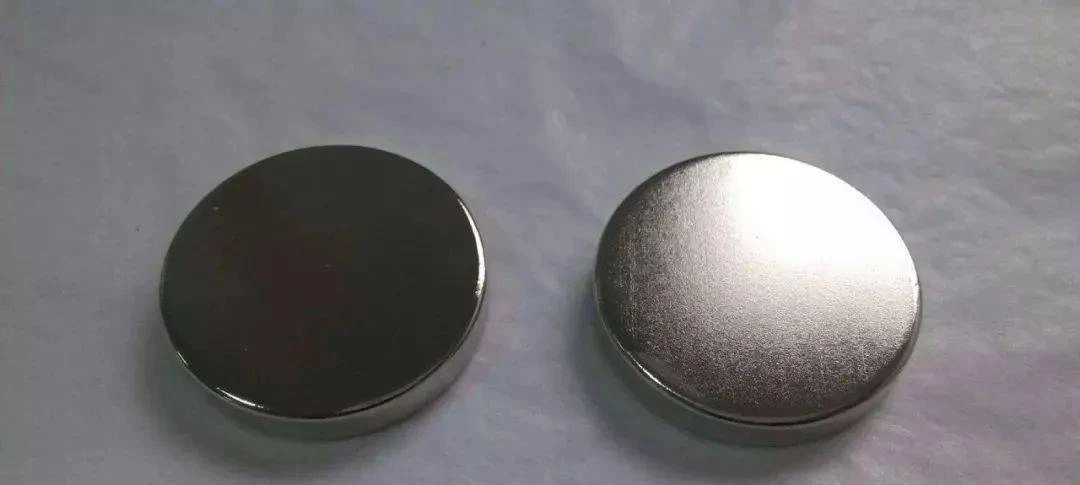
Furthermore, electroless plating can be used to create special surface properties that are difficult to achieve with other plating techniques. For example, electroless nickel - phosphorus alloys can be deposited with varying phosphorus contents, which can significantly affect the hardness, corrosion resistance, and magnetic properties of the coating. By adjusting the plating bath composition and process parameters, engineers can tailor the properties of the electroless plating layer to meet specific application requirements. This flexibility in property customization makes electroless plating an invaluable tool in advanced manufacturing and research and development.
In conclusion, electroless plating offers a multitude of advantages, including uniform deposition, the ability to plate a wide variety of substrates, excellent adhesion, cost - effectiveness, environmental friendliness, and the creation of specialized surface properties. These advantages have made electroless plating an essential technique in diverse industries, from electronics and automotive to aerospace and consumer goods. As technology continues to advance, the capabilities and applications of electroless plating are likely to expand even further, driving innovation and improvement in surface finishing and material engineering.