

What is Cupric Chloride Treatment?
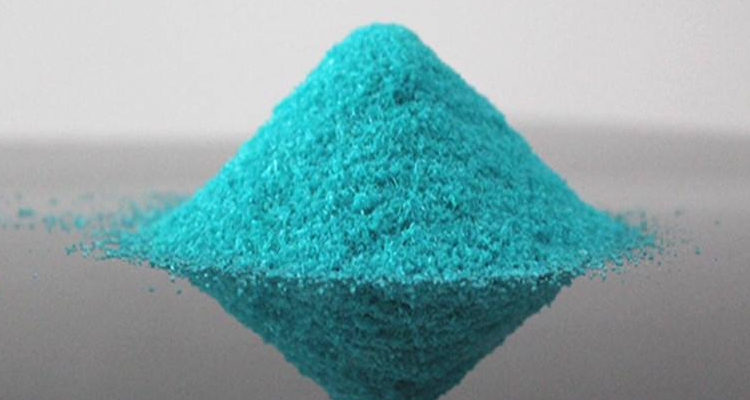
Cupric chloride, with the chemical formula CuCl₂, is a compound that has found extensive applications in various industries, and "cupric chloride treatment" refers to the use of this compound for specific purposes, often leveraging its unique chemical properties. This article aims to delve into what cupric chloride treatment entails, exploring its applications, mechanisms, and significance across different sectors.
Chemical Properties and Basics of Cupric Chloride
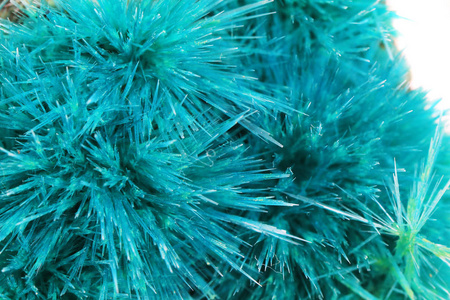
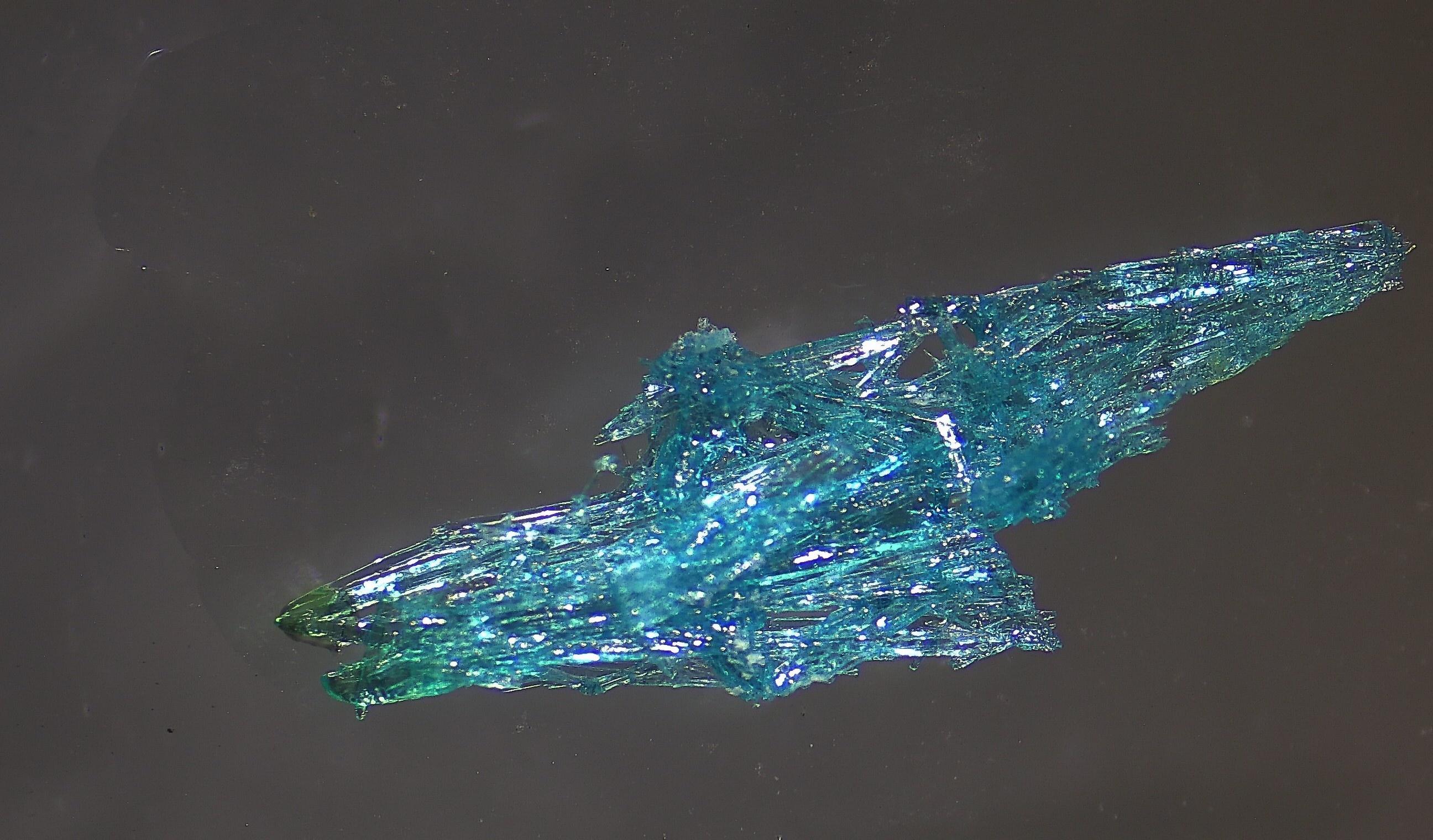
Cupric chloride exists in anhydrous and hydrated forms. Anhydrous cupric chloride is a brown - colored powder, while the dihydrate form appears as a green crystalline solid. It is highly soluble in water, and its aqueous solutions can exhibit a range of colors depending on the concentration and the presence of other ligands. Cupric chloride is a Lewis acid, which means it can accept electron pairs, making it a versatile reagent in chemical reactions.
Applications in Different Industries
Metal Etching
One of the most common applications of cupric chloride treatment is in metal etching, especially in the electronics industry. When fabricating printed circuit boards (PCBs), cupric chloride solutions are used to selectively remove unwanted copper layers. The process begins with the creation of a resist pattern on the copper - clad board, usually through photolithography. Then, the board is immersed in a cupric chloride solution. The cupric ions in the solution react with the exposed copper, oxidizing it to form copper(II) chloride complexes that dissolve in the solution. This precise etching process allows for the creation of intricate electrical circuits on the PCB, ensuring the proper functioning of electronic devices.
Catalysis
Cupric chloride also plays a crucial role as a catalyst in various chemical reactions. For example, in the synthesis of vinyl chloride, which is a key monomer for the production of polyvinyl chloride (PVC), cupric chloride is used as a catalyst in the oxychlorination process. In this reaction, ethylene, hydrogen chloride, and oxygen react in the presence of cupric chloride to form vinyl chloride. The cupric chloride helps to lower the activation energy of the reaction, facilitating the formation of the desired product more efficiently.
Water Treatment
In the field of water treatment, cupric chloride can be used to control the growth of algae and bacteria. Cupric ions have biocidal properties, which can disrupt the metabolic processes of microorganisms. By adding a controlled amount of cupric chloride to water bodies such as swimming pools, cooling towers, and water storage tanks, the growth of harmful microorganisms can be inhibited, ensuring the water remains clean and safe for various uses. However, careful monitoring is required to avoid over - treatment, as excessive copper can be harmful to aquatic life and human health.
Agriculture
In agriculture, cupric chloride is sometimes used as a fungicide. When applied to crops, the copper ions in cupric chloride can penetrate the cell walls of fungi, interfering with their normal physiological functions and ultimately leading to their death. This helps protect crops from fungal diseases, improving yields and ensuring the quality of agricultural products.
Process and Considerations of Cupric Chloride Treatment
When conducting cupric chloride treatment, several factors need to be considered. The concentration of the cupric chloride solution is critical, as it affects the reaction rate and the outcome of the treatment. For example, in metal etching, a higher concentration of cupric chloride may lead to faster etching but could also cause over - etching if not properly controlled. Temperature also plays a significant role, as increasing the temperature can generally speed up chemical reactions. However, extreme temperatures may also lead to unwanted side reactions or degradation of the treated materials.
Safety is another important aspect. Cupric chloride can be harmful if ingested, inhaled, or comes into contact with the skin. Protective equipment such as gloves, goggles, and masks should be worn during handling. Additionally, proper disposal of used cupric chloride solutions is necessary to prevent environmental pollution, as copper is a heavy metal that can accumulate in the environment and cause ecological damage.

In conclusion, cupric chloride treatment is a diverse and valuable process with wide - ranging applications in multiple industries. From creating complex electronic circuits to protecting crops and purifying water, cupric chloride's unique chemical properties make it an essential compound. Understanding its mechanisms, applications, and proper handling is crucial for maximizing its benefits while minimizing potential risks.