

What is Peracetic Acid
Definition and Basic Information of Peracetic Acid
Peracetic acid, also known as peroxyacetic acid or PAA, is an organic compound with the chemical formula. Structurally, it can be seen as a derivative of acetic acid where one of the hydrogen atoms in the -OH group of acetic acid is replaced by a -OOH group, resulting in the structure .
In terms of physical properties, peracetic acid is a colorless liquid at room temperature. It has a strong, pungent odor similar to that of acetic acid, which can be quite irritating to the respiratory system, eyes, and skin. It is highly soluble in water, ethanol, and ether, which makes it convenient for various applications as it can be easily formulated into different solutions. The melting point of peracetic acid is around, and its boiling point is approximately. However, it is important to note that peracetic acid is thermally unstable. Concentrations above 45% are considered highly explosive, and it can decompose violently when exposed to heat, shock, or contact with certain reducing agents or metal ions, even at relatively low temperatures such as.
Chemically, peracetic acid is a powerful oxidizing agent. It contains a peroxy bond, which is highly reactive. This peroxy bond can break easily, releasing nascent oxygen. The released nascent oxygen is a strong oxidizing species that can react with a wide range of organic and inorganic substances. For example, it can oxidize many reducing agents by donating oxygen atoms. In the presence of suitable substrates, it can also participate in oxidation - reduction reactions, such as oxidizing alcohols to aldehydes or ketones, and sulfides to sulfoxides or sulfones.
The Significance of Studying Its Applications
The study of peracetic acid's applications holds great significance in multiple fields.
In the realm of public health, peracetic acid is a crucial disinfectant. In healthcare settings like hospitals, it can effectively kill a broad spectrum of pathogens, including bacteria (such as Escherichia coli, Staphylococcus aureus), viruses (e.g., influenza virus, coronavirus), fungi (like Candida albicans), and even bacterial spores (such as Bacillus subtilis spores). During disease outbreaks, such as the SARS - CoV - 2 pandemic, peracetic acid - based disinfectants were widely used for disinfecting hospital wards, medical equipment, and public areas. In food processing plants, its use helps prevent food - borne illnesses by eliminating harmful microorganisms on food contact surfaces, ensuring food safety for consumers.
Industrially, peracetic acid plays diverse roles. In the paper and pulp industry, it is used as a bleaching agent. It can oxidize the lignin and other chromophoric substances in wood pulp, making the paper brighter and whiter. In the chemical synthesis industry, it serves as an oxidant in the production of various organic compounds. For instance, in the synthesis of epoxy compounds, peracetic acid can react with alkenes to form epoxides, which are important intermediates for the production of plastics, resins, and adhesives. In water treatment, especially in industrial cooling water systems and swimming pools, peracetic acid can be used to control the growth of bacteria, algae, and other microorganisms, preventing biofouling and corrosion of pipes and equipment.
In environmental protection, peracetic acid can be used in the treatment of contaminated soil and water. It can oxidize and degrade many organic pollutants, such as pesticides, herbicides, and industrial organic waste, reducing their environmental impact. Additionally, since peracetic acid decomposes into relatively harmless substances like acetic acid, water, and oxygen, it is considered an environmentally friendly option compared to some other persistent chemical pollutants or harsh oxidants.
Applications in Healthcare
Disinfection of Medical Equipment
Peracetic acid is widely used for disinfecting medical equipment due to its powerful germ - killing ability.
In the case of endoscopes, which are frequently used in medical examinations such as gastroscopy and bronchoscopy, they are often contaminated with various microorganisms from the patient's body. According to the WS 507 - 2016 "Technical Specifications for Cleaning and Disinfection of Flexible Endoscopes", peracetic acid can be used as a disinfectant for endoscopes. Research has shown that immersing endoscopes in a peracetic acid solution with a concentration of 1000 - 2000 mg/L for at least 5 minutes can effectively achieve a high - level disinfection, reducing the number of bacteria, viruses, and fungi on the endoscope surface and inside its channels to a safe level. For example, in a study conducted in a large - scale hospital, after using peracetic acid for endoscope disinfection, the bacterial colony count on the endoscopes decreased significantly, and the incidence of cross - infections related to endoscope use was greatly reduced.
Dental equipment, such as dental handpieces and ultrasonic scalers, also requires thorough disinfection. These tools come into direct contact with the patient's oral cavity, which is a rich source of microorganisms. Peracetic acid can be used to disinfect these devices. A 0.2% - 0.5% peracetic acid solution can be used for soaking or wiping the dental equipment. Soaking for 30 minutes can effectively kill oral - related pathogens like Streptococcus mutans, which is a major cause of dental caries, and Candida albicans, which can cause oral thrush.
Hospital Environment Disinfection
Air Disinfection
In hospital environments, air disinfection is crucial to prevent the spread of airborne pathogens. Peracetic acid can be used for this purpose. For example, a 2% peracetic acid solution can be used for aerosol spraying. The dosage is usually 8 - 10 milliliters per cubic meter of space. After spraying, the room should be kept closed for 30 - 60 minutes. During this time, the peracetic acid in the aerosol form can effectively kill airborne bacteria, viruses, and fungi. For instance, it can inactivate influenza viruses that may be present in the hospital air. After the disinfection time is up, the room should be well - ventilated to remove the remaining peracetic acid vapor. This ventilation process is important as peracetic acid has a pungent odor and can be irritating to the respiratory system of medical staff and patients if present in high concentrations.
Surface Disinfection
There are numerous items in hospitals that need surface disinfection, and peracetic acid is an effective solution. Furniture like desks, chairs, and beds can be disinfected using a 0.2% - 0.5% peracetic acid solution. This solution can be applied by spraying or wiping. Door and window surfaces, which are frequently touched, can also be disinfected in the same way. For example, if there is an influenza outbreak in the hospital, regularly disinfecting these surfaces with peracetic acid can reduce the risk of virus transmission.
Medical records folders and clipboards can carry pathogens from patient to patient. Wiping them with a 0.2% - 0.5% peracetic acid solution can effectively eliminate bacteria and viruses that may be present on their surfaces. Additionally, medical carts and equipment trolleys can be disinfected using the same concentration of peracetic acid solution to prevent the spread of contaminants throughout the hospital.
Treatment of Some Skin Conditions
Peracetic acid can be used in the treatment of certain skin conditions, such as onychomycosis. A 1% peracetic acid solution is often used for this purpose.
The treatment method usually involves soaking the affected nails in the 1% peracetic acid solution. The recommended soaking time is about 20 minutes each time, and this should be done 2 - 3 times a day. The treatment principle is based on peracetic acid's strong oxidizing and antibacterial properties. Onychomycosis is caused by fungal infections, and the active oxygen released by peracetic acid can damage the cell walls and metabolic processes of the fungi. It can oxidize the proteins and nucleic acids within the fungal cells, leading to the death of the fungi. As the treatment progresses over a period of several weeks to months, depending on the severity of the infection, the new nail growth gradually becomes healthy as the fungal infection is eradicated.
Applications in Daily Life
Disinfection of Tableware and Kitchenware
In daily life, peracetic acid can be used to disinfect tableware and kitchenware. A 0.5% peracetic acid solution is commonly recommended. For example, when disinfecting bowls, plates, chopsticks, and spoons, they should be completely immersed in the 0.5% peracetic acid solution. The soaking time should be at least 30 minutes. This duration ensures that bacteria, viruses, and other microorganisms on the tableware are effectively killed. After soaking, it is essential to rinse the tableware thoroughly with running water. This step is crucial to remove any residual peracetic acid. Residual peracetic acid can not only affect the taste of food but also may cause harm to human health if ingested in significant amounts. Kitchenware such as cutting boards and kitchen knives can also be disinfected in a similar way. For cutting boards, soaking in the 0.5% peracetic acid solution for 30 minutes can eliminate bacteria that may accumulate from food residues. Kitchen knives can be wiped with a cloth soaked in the peracetic acid solution, paying special attention to the blade and handle areas where bacteria are likely to adhere.
Home Environment Disinfection
There are several scenarios in the home where peracetic acid can be used for disinfection.
For floor disinfection, a 0.2% - 0.5% peracetic acid solution can be used. First, prepare the solution in a bucket. When mopping the floor, ensure that the mop is thoroughly soaked in the solution. Start mopping from the farthest corner of the room and work your way towards the door. This method helps to avoid stepping on the just - disinfected area. The solution should be applied evenly to the floor surface, and the contact time should be at least 30 minutes. After that, the floor can be dried naturally or wiped with a clean, dry mop.
When it comes to furniture disinfection, items like coffee tables, sofas, and bedside tables can be wiped with a 0.2% - 0.5% peracetic acid solution. Use a soft cloth or sponge to soak up the solution and then gently wipe the surface of the furniture. Pay attention to the edges, corners, and frequently - touched areas. For example, the handles of drawers and the armrests of sofas are areas that accumulate a lot of bacteria, so they need to be wiped carefully.
It is important to note that when using peracetic acid for home environment disinfection, proper ventilation should be ensured. Open windows and doors during and after the disinfection process to allow fresh air to circulate and reduce the concentration of peracetic acid vapor in the air. This helps to prevent irritation to the respiratory system. Also, keep children and pets away from the disinfected area until the area is well - ventilated and the peracetic acid smell has dissipated.
Applications in Industry
Water Treatment
Wastewater Treatment
In wastewater treatment, peracetic acid plays a crucial role in purifying water and removing contaminants.
Removal of Harmful Substances One of the key functions of peracetic acid in wastewater treatment is the removal of organic pollutants. Many industrial wastewaters contain a complex mixture of organic compounds, such as phenols, dyes, and hydrocarbons. Peracetic acid, as a strong oxidizing agent, can break down these organic substances through oxidation reactions. For example, in the treatment of textile wastewater, which often contains various synthetic dyes, peracetic acid can attack the chromophoric groups in the dye molecules. The peroxy bond in peracetic acid is highly reactive. When it comes into contact with the dye molecules, the peroxy bond can break, releasing nascent oxygen ($$[O$$). This nascent oxygen can oxidize the double - bonds and other reactive sites in the dye molecules, converting them into smaller, colorless and more easily biodegradable substances.
Heavy metal ions in wastewater are also a major concern. Although peracetic acid does not directly precipitate heavy metal ions like some chemical reagents, it can change the oxidation state of heavy metals. For instance, it can oxidize ferrous ions to ferric ions . This change in oxidation state can affect the solubility and reactivity of heavy metals, making them more amenable to subsequent treatment processes such as precipitation or ion - exchange. In some cases, the oxidation of heavy metals by peracetic acid can also enhance the coagulation and flocculation processes, facilitating their removal from the wastewater.
Bactericidal Action Wastewater is a breeding ground for a vast number of microorganisms, including harmful bacteria, viruses, and protozoa. Peracetic acid's strong bactericidal properties make it an effective disinfectant in wastewater treatment. It can penetrate the cell walls and membranes of microorganisms. Once inside the cells, peracetic acid reacts with various cellular components. It can oxidize proteins, nucleic acids, and enzymes, disrupting the normal metabolic and reproductive functions of the microorganisms. For example, it can oxidize the sulfhydryl groups (-SH) in enzymes, which are essential for the catalytic activity of the enzymes. This oxidation inactivates the enzymes, leading to the death of the microorganisms.
In sewage treatment plants, peracetic acid can be used in the final disinfection stage of treated wastewater before its discharge into natural water bodies. By effectively killing pathogens, it reduces the risk of water - borne diseases being spread through the discharged water. In a study of a municipal wastewater treatment plant, the addition of a proper concentration of peracetic acid (usually in the range of 5 - 10 mg/L depending on the quality of the treated wastewater) significantly reduced the number of fecal coliforms, Escherichia coli, and other harmful bacteria in the effluent, ensuring that the water quality met the relevant discharge standards.
Paper and Textile Industry
Bleaching in Paper Industry
In the paper industry, peracetic acid is increasingly being used as a bleaching agent, offering several advantages over traditional bleaching agents.
Advantages One of the main advantages of using peracetic acid as a bleaching agent in the paper industry is its environmental friendliness. Traditional chlorine - based bleaching agents, such as chlorine gas and sodium hypochlorite, can produce harmful and persistent organochlorine compounds, such as dioxins, during the bleaching process. These compounds are highly toxic and can cause serious environmental and health problems. In contrast, peracetic acid decomposes into relatively harmless substances like acetic acid, water, and oxygen after the bleaching reaction. This significantly reduces the environmental impact of the paper - making process.
Peracetic acid also has high bleaching efficiency. It can effectively remove lignin, a complex polymer that gives wood its rigidity and is a major source of color in wood pulp. Lignin contains chromophoric groups that absorb light, making the pulp appear brown. Peracetic acid can oxidize these chromophoric groups in lignin, breaking them down and making the pulp brighter and whiter. The reaction is relatively fast, which can shorten the bleaching time compared to some other bleaching agents. For example, in a laboratory - scale experiment, when using peracetic acid to bleach softwood pulp, the bleaching time could be reduced by about 30% compared to using hydrogen peroxide as the bleaching agent under similar conditions, while achieving a comparable increase in brightness.
Usage Process The typical usage process of peracetic acid in the paper - making industry involves several steps. First, the wood pulp is prepared, usually by mechanical or chemical pulping methods. Then, peracetic acid is added to the pulp suspension. The concentration of peracetic acid used usually ranges from 0.5% - 3% (by weight of the pulp), depending on the type of pulp, the initial color of the pulp, and the desired final brightness. The pulp - peracetic acid mixture is then agitated and maintained at a suitable temperature, typically around 50 - 70°C. The reaction time can vary from 30 minutes to a few hours. During this time, the peracetic acid reacts with the lignin and other chromophoric substances in the pulp. After the bleaching reaction is complete, the pulp is washed thoroughly to remove the reaction by - products, such as acetic acid and the oxidized lignin fragments.
Impact on Paper Quality Peracetic acid bleaching has a positive impact on paper quality. Since it can effectively remove lignin without causing excessive degradation of cellulose, the strength properties of the paper are well - maintained. Cellulose is the main component of paper that provides its strength. Some bleaching agents, if not carefully controlled, can break the cellulose chains, reducing the paper's tensile strength, tear strength, and burst strength. However, peracetic acid bleaching allows for a more selective oxidation of lignin, leaving the cellulose structure intact. Papers bleached with peracetic acid often have better dimensional stability, less yellowing over time, and improved printability. For example, in the production of high - quality printing papers, peracetic acid - bleached pulp can result in papers that have a more uniform color, higher brightness, and better ink - receptivity, making them more suitable for high - definition printing.
Bleaching and Disinfection in Textile Industry
In the textile industry, peracetic acid is used for both bleaching and disinfection purposes, bringing several benefits to the textile manufacturing process.
Bleaching Function Peracetic acid can bleach various types of natural and synthetic fibers. For natural fibers like cotton, linen, and silk, peracetic acid can remove natural colorants and impurities. Cotton fibers, for example, may contain waxes, pectins, and natural pigments. Peracetic acid can oxidize these substances, breaking them down and making the cotton fibers whiter. The bleaching mechanism is similar to that in the paper industry. The reactive oxygen species generated by peracetic acid attack the chromophoric groups in the color - causing substances, converting them into colorless or less - colored compounds.
For synthetic fibers such as polyester and nylon, peracetic acid can also be used to improve their whiteness. These synthetic fibers may have some inherent color or may be discolored during the manufacturing process due to the presence of additives or contaminants. Peracetic acid can effectively bleach them without causing significant damage to the fiber structure. The concentration of peracetic acid used for textile bleaching usually ranges from 1% - 5% (by volume of the bleaching solution), and the bleaching time can be adjusted according to the type of fiber and the desired degree of bleaching, typically ranging from 1 - 3 hours at a temperature of around 40 - 60°C.
Disinfection Function Textile products can be contaminated with various microorganisms during production, storage, and transportation. Peracetic acid can be used to disinfect textiles, especially those that are intended for medical, hygiene, or food - contact applications. For example, in the production of medical gauze and surgical gowns, peracetic acid can be used to kill bacteria, viruses, and fungi on the fabric. It can penetrate the fiber structure and inactivate the microorganisms by oxidizing their cellular components. The disinfection process can be carried out by immersing the textiles in a peracetic acid solution with a concentration of 0.2% - 1% for a certain period, usually 15 - 30 minutes.
Impact on Fabric Performance When used properly, peracetic acid has minimal negative impact on fabric performance. It does not cause significant degradation of fiber strength for most common textile fibers. In fact, compared to some strong oxidizing bleaching agents, peracetic acid is relatively mild in its action on fibers. However, if the concentration of peracetic acid is too high or the treatment time is too long, it may cause some surface oxidation of the fibers, which could potentially lead to a slight decrease in fiber flexibility and an increase in fabric roughness. Therefore, careful control of the peracetic acid treatment conditions is essential to ensure that the fabric retains its original softness, strength, and other physical properties while achieving the desired bleaching and disinfection effects.
Precautions and Safety Considerations
Health Hazards Associated with Peracetic Acid
Peracetic acid poses several health hazards that need to be taken seriously. Due to its strong oxidizing and corrosive nature, it can cause significant damage to the human body if not handled properly.
When it comes to respiratory health, inhaling peracetic acid vapor can be extremely harmful. Even at relatively low concentrations, it can irritate the respiratory tract, leading to symptoms such as coughing, shortness of breath, and a feeling of tightness in the chest. High - concentration exposure can cause more severe problems, including chemical pneumonitis and pulmonary edema. For example, in industrial settings where peracetic acid is used in large quantities without proper ventilation, workers may be at risk of developing these respiratory issues over time.
Skin contact with peracetic acid is also a major concern. High - concentration solutions can cause chemical burns. The acid can penetrate the skin, leading to redness, pain, blistering, and in severe cases, deep tissue damage. Prolonged exposure to lower - concentration solutions can also cause skin irritation, dryness, and dermatitis. Workers in industries such as textile bleaching or wastewater treatment who handle peracetic acid on a regular basis must take precautions to prevent skin contact.
If peracetic acid gets into the eyes, it can cause immediate and severe damage. It can burn the cornea and conjunctiva, resulting in intense pain, redness, swelling, and potential vision loss. Immediate and thorough eye - washing is crucial in case of such an accident to minimize the damage.
Ingestion of peracetic acid, although less common, is extremely dangerous. It can cause burns to the mouth, esophagus, and stomach, leading to symptoms like nausea, vomiting, abdominal pain, and in severe cases, internal bleeding and perforation of the digestive tract.
Storage and Handling Requirements
Proper storage and handling of peracetic acid are essential to ensure safety and maintain its effectiveness.
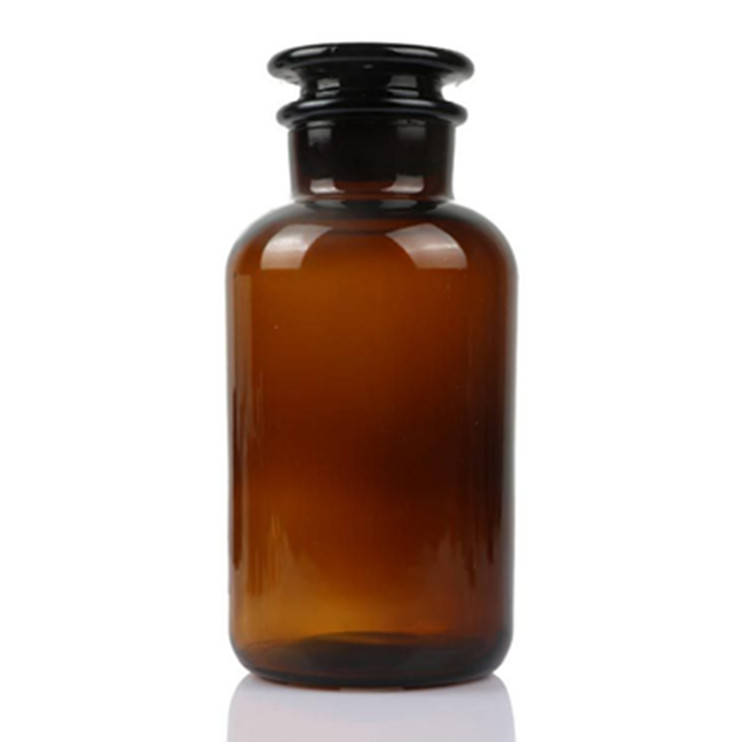
Storage Conditions Peracetic acid should be stored in a cool, well - ventilated area. The ideal storage temperature is typically below 25°C. High temperatures can accelerate its decomposition, increasing the risk of explosion, especially for concentrated solutions. For example, in a warehouse where peracetic acid is stored, if the temperature exceeds 30°C during summer months without proper cooling measures, the decomposition rate of peracetic acid will increase significantly. It should be stored away from direct sunlight. Ultraviolet rays in sunlight can catalyze the decomposition of peracetic acid. Therefore, it is best to store it in a dark - colored or opaque container in a storage area with limited light exposure. The storage area should also be dry. Moisture can affect the stability of peracetic acid and may lead to unwanted chemical reactions. For instance, if peracetic acid comes into contact with excessive moisture, it may react with water in an unpredictable way, potentially causing a change in its chemical properties and increasing the risk of decomposition.
Handling Precautions When handling peracetic acid, appropriate personal protective equipment (PPE) must be worn. This includes chemical - resistant gloves, preferably made of materials like nitrile or neoprene, which can withstand the corrosive nature of peracetic acid. A full - face shield or safety goggles should be worn to protect the eyes, and a respirator with appropriate cartridges should be used in areas where there may be a risk of inhaling peracetic acid vapor. During the transfer and use of peracetic acid, it should be handled gently to avoid splashing and spills. When diluting peracetic acid, the correct procedure is to slowly add the concentrated acid to water while stirring constantly. Adding water to the acid can cause a violent exothermic reaction, leading to splashing and potential injury. For example, in a laboratory or industrial setting, if a technician adds water to concentrated peracetic acid instead of the other way around, it can result in a dangerous chemical splash.
Environmental Impact
Peracetic acid has both positive and negative aspects in terms of its environmental impact.
Biodegradability and Degradation Products One of the positive aspects is that peracetic acid is biodegradable. When it decomposes, it mainly breaks down into acetic acid, water, and oxygen. These decomposition products are relatively harmless to the environment compared to some other chemical pollutants. For example, in a water treatment system where peracetic acid is used to disinfect water, after its action, it gradually decomposes into these benign substances, reducing the long - term environmental burden. However, in the process of decomposition, especially in some industrial wastewater treatment applications, if the decomposition is not complete, intermediate products may be formed. Although these intermediate products are usually short - lived, in some cases, they may have a certain impact on the aquatic ecosystem.
Toxicity to Aquatic Organisms Peracetic acid is toxic to aquatic organisms. Even at low concentrations, it can affect the survival, growth, and reproduction of fish, invertebrates, and aquatic plants. In a study of the impact of peracetic acid on aquatic ecosystems, it was found that when the concentration of peracetic acid in water reaches 1 - 5 mg/L, it can cause significant stress to some sensitive aquatic organisms, such as certain species of freshwater fish and crustaceans. High - concentration exposure can lead to the death of these organisms, disrupting the ecological balance of the aquatic environment.
Reducing Environmental Harm To reduce the environmental impact of peracetic acid, several measures can be taken. First, strict control of the usage concentration is crucial. Using the minimum effective concentration in applications such as disinfection and wastewater treatment can reduce the amount of peracetic acid entering the environment. Second, proper treatment of peracetic acid - containing waste is essential. Wastewater containing peracetic acid should be treated in a dedicated treatment facility to ensure that the peracetic acid is completely decomposed or removed before the water is discharged into natural water bodies. In industrial settings, recycling and reuse of peracetic acid where possible can also help minimize its environmental footprint. For example, in some large - scale paper - making plants, efforts are made to recover and recycle the peracetic acid used in the bleaching process, reducing both the cost and the environmental impact.

Sustainable Development and Application Outlook of Peracetic Acid
Looking ahead, peracetic acid is expected to see expanded applications in various fields. In the healthcare sector, as the world becomes more aware of the importance of infection prevention and control, especially in the wake of global health crises like the COVID - 19 pandemic, the demand for effective disinfectants such as peracetic acid will likely increase. Research may focus on developing more stable and user - friendly peracetic acid - based disinfectant formulations. For example, encapsulation technologies could be explored to control the release of peracetic acid, prolonging its effectiveness and reducing the frequency of application. This could be particularly useful in long - term care facilities and outpatient clinics.
In the food industry, with consumers becoming more concerned about food safety and chemical residues, peracetic acid's role as a disinfectant with relatively harmless decomposition products will become even more significant. New application methods may be developed to ensure better penetration of peracetic acid into food processing equipment and packaging materials, further reducing the risk of microbial contamination. For instance, the use of peracetic acid vapor in food packaging sterilization could be optimized to make the process more energy - efficient and cost - effective.
In environmental applications, peracetic acid may play a more prominent role in advanced wastewater treatment processes. As the demand for reclaimed water increases, peracetic acid can be used in combination with other treatment technologies to remove emerging contaminants such as pharmaceuticals and personal care products from wastewater. Additionally, in soil remediation, further research may be carried out to determine the optimal conditions for using peracetic acid to degrade persistent organic pollutants, contributing to a cleaner and healthier environment.
In the manufacturing industry, peracetic acid could find new applications in the production of high - tech materials. For example, in the semiconductor industry, where strict cleanliness requirements are essential, peracetic acid may be explored as a potential cleaning and disinfecting agent for semiconductor manufacturing equipment and surfaces. This could help to improve the quality and reliability of semiconductor products by reducing the risk of contamination during the manufacturing process.
Overall, with continuous research and development, peracetic acid is likely to emerge as an even more versatile and important chemical in the coming years, contributing significantly to various aspects of human life and industrial activities while also being used in a more sustainable and safe manner.