

What is the application of surface treatment?
Surface treatment is a transformative technology that modifies the surface properties of materials to optimize their performance, durability, and functionality. It permeates numerous industries, playing a pivotal role in modern manufacturing and engineering. This article will explore the application of surface treatment across different sectors through a hierarchical structure of secondary and tertiary headings.
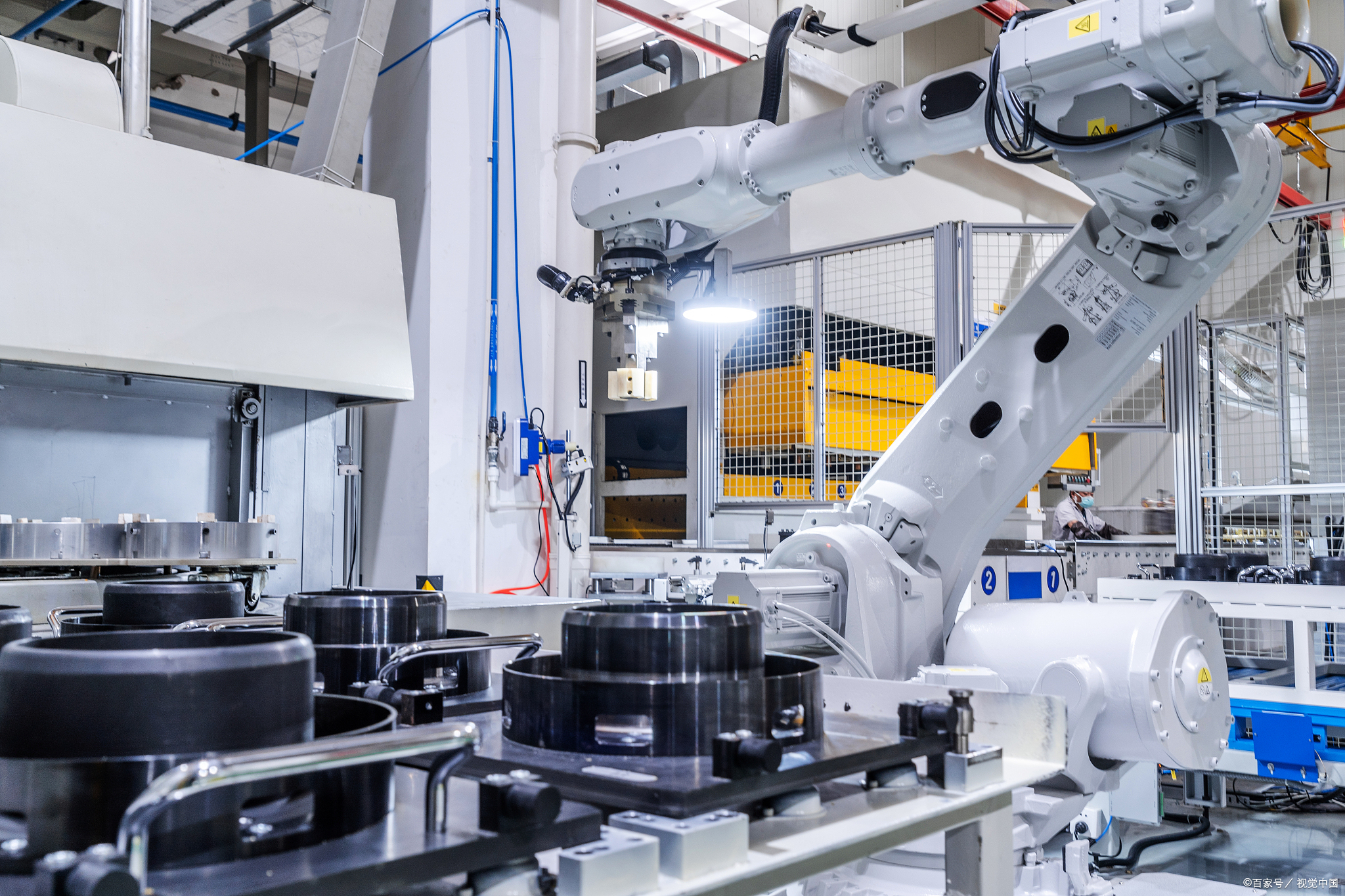
Application in Mechanical Manufacturing
Enhancing Wear Resistance of Engine Components
In the automotive industry, the components of engines are subjected to intense friction and wear. For piston rings, crankshafts, and camshafts, surface hardening treatments are crucial. Induction hardening utilizes electromagnetic induction to rapidly heat the surface of these components, followed by immediate cooling. This process creates a hard outer layer while maintaining a tough inner core, significantly improving wear resistance, reducing friction, and extending the service life of the components.
Improving Corrosion and Fatigue Resistance
Nitriding and carburizing are two important surface treatment methods. Nitriding diffuses nitrogen into the metal surface, forming a hard nitride layer. This not only boosts wear resistance but also enhances corrosion resistance and fatigue strength. Carburizing, applicable to low - carbon steel components, increases the carbon content on the surface, making it hard and wear - resistant, while keeping the interior ductile and tough.
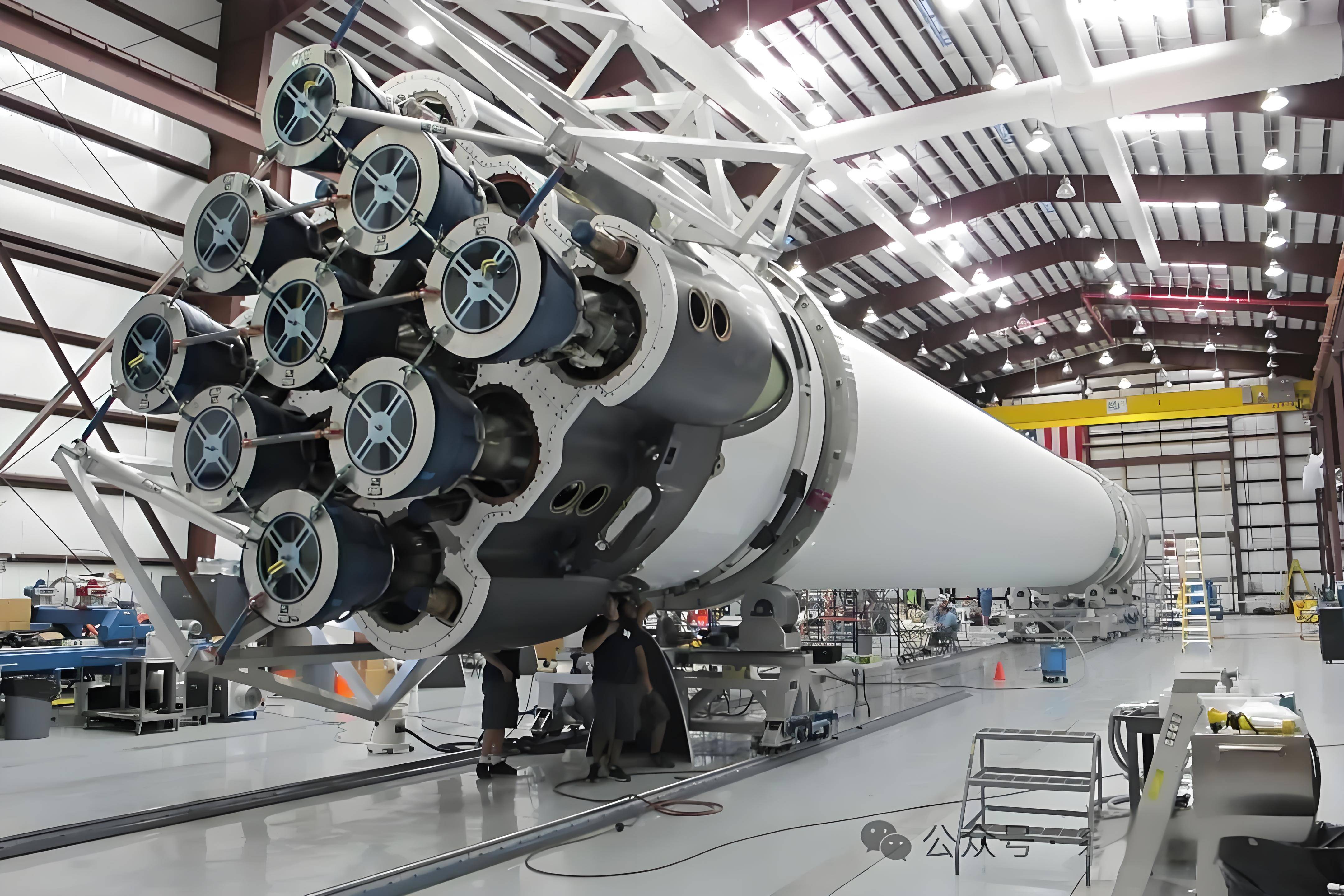
Application in Aerospace Industry
Surface Treatment for Aluminum Alloys
Aluminum alloys are widely used in aircraft structures due to their lightweight. Anodizing is a common surface treatment for them. By creating a thick, porous oxide layer on the aluminum surface, anodizing improves corrosion resistance and provides an ideal base for painting and other surface coatings, ensuring the structural integrity and appearance of aircraft components.
Metal Coating and Thermal Spraying
Electroplating is used to deposit thin metal layers like chromium or nickel on components. Chromium plating, for example, enhances wear and corrosion resistance and also improves the aesthetic appearance of components. Thermal spraying applies coatings of ceramics and metals, which can offer functions such as thermal insulation, wear resistance, and corrosion resistance. Thermal - barrier coatings on turbine blades, for instance, reduce heat transfer to the underlying metal, enabling the blades to operate at higher temperatures and increasing engine efficiency.
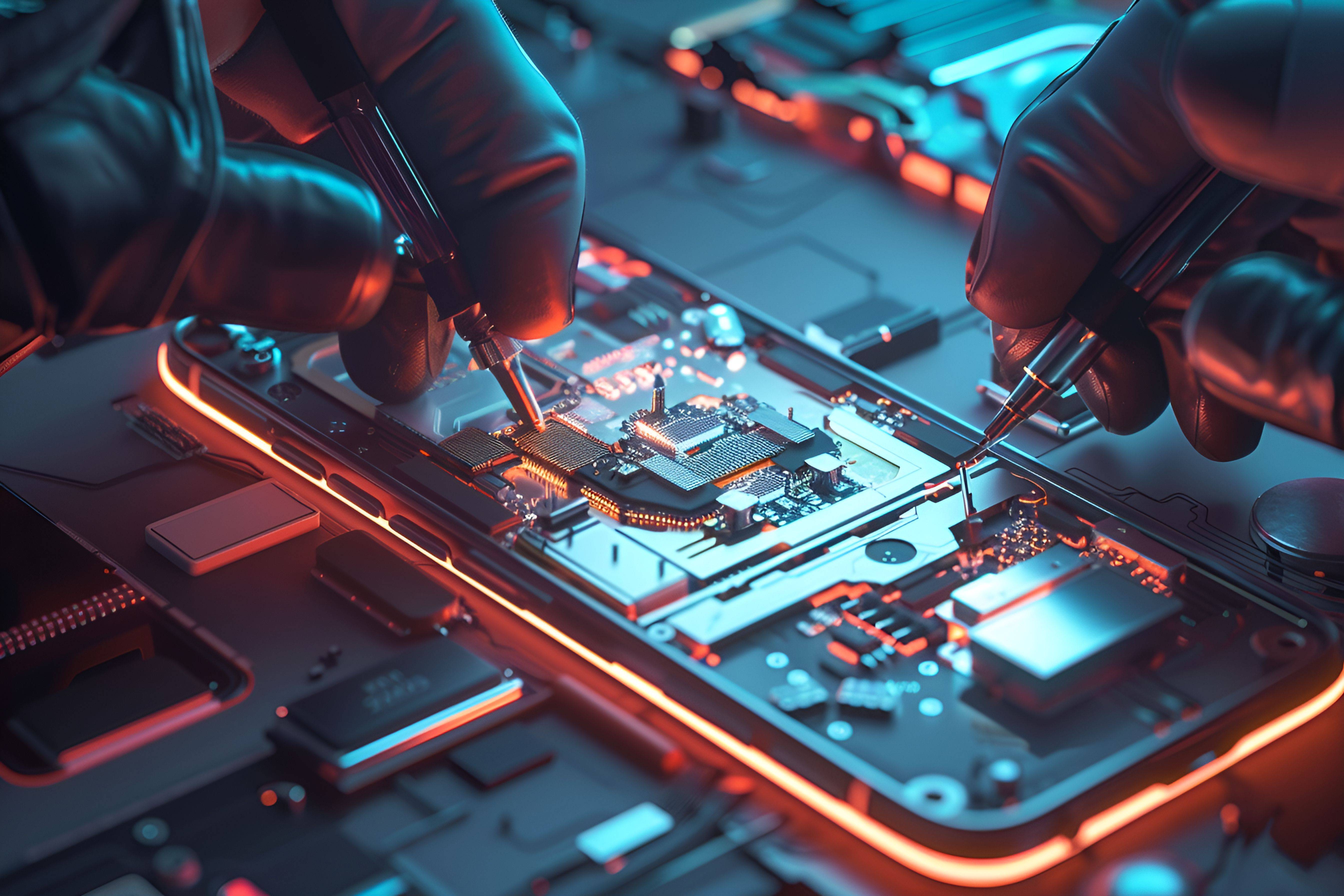
Application in Electronics Industry
Surface Treatment for Printed Circuit Boards (PCBs)
To ensure good electrical conductivity, solderability, and corrosion resistance of PCBs, various surface finishes are employed. Electroless nickel - immersion gold (ENIG) provides a smooth, flat surface with excellent solderability and corrosion resistance, suitable for fine - pitch components. Organic solderability preservatives (OSP) form a thin, transparent organic film on the copper surface, protecting it from oxidation and facilitating soldering. Hot - air solder leveling (HASL), an early surface finish, applies molten solder to create a solderable layer.
Wafer Surface Treatment in Semiconductor Manufacturing
In semiconductor device manufacturing, surface treatment of wafers is essential. Cleaning removes contaminants and impurities, guaranteeing the quality of subsequent processes. Passivation forms a protective layer to prevent oxidation and improve the electrical performance of the device. Doping modifies the electrical properties of the wafer surface by introducing specific impurities.
Application in Construction and Architectural Field
Protective and Decorative Treatments for Building Materials
Painting and coating are common surface treatment methods for metals, woods, and plastics in construction. Paints protect metal structures from corrosion while offering a wide variety of colors for decorative purposes. Powder coatings applied to metals provide excellent abrasion resistance, chemical resistance, and weather resistance.
Surface Finishing for Aesthetic Enhancement
Surface treatment techniques like polishing and texturing are used on stones and ceramics. Polishing makes stone surfaces smooth and shiny, while texturing adds unique patterns and tactile sensations, enhancing the overall aesthetic appeal of building materials.

Application in Medical Industry
Promoting Osseointegration of Orthopedic Implants
For orthopedic implants such as hip and knee replacements, surface treatment is key to promoting osseointegration. Sandblasting and acid - etching roughen the implant surface, increasing the surface area and promoting cell adhesion and bone growth. Coating with bioactive materials like hydroxyapatite, which has a similar chemical composition to bone, enhances the biocompatibility of the implant and accelerates the osseointegration process.
Improving the Functionality of Medical Tubes
In the case of catheters and other medical tubes, surface treatment can make the surface more slippery. This reduces the risk of blood clots and tissue damage during insertion and use, improving the safety and effectiveness of medical procedures.
In conclusion, surface treatment has a wide - ranging and diverse set of applications across multiple industries. It is an indispensable technology in modern manufacturing and engineering, continuously evolving with technological advancements to bring more benefits and expand its application potential.