

Copper has been used by humans for thousands of years, valued for its malleability, conductivity, and aesthetic appeal. From ancient copper coins and artworks to modern-day kitchen utensils and decorative items, copper's presence is widespread. However, like any metal, copper is prone to tarnishing over time. Tarnish is a thin layer of corrosion that forms on the surface of copper when it reacts with oxygen, sulfur, or other substances in the environment. This not only dulls the metal's luster but can also affect its appearance and value. The question then arises: what is the best cleaner for copper?
Natural Cleaners
Lemon Juice and Salt
One of the most common and readily available natural cleaners for copper is a combination of lemon juice and salt. Lemon juice contains citric acid, which can help dissolve the tarnish on copper. The salt acts as an abrasive, gently scrubbing away the dull layer. To use this cleaner, simply squeeze fresh lemon juice onto the copper surface and sprinkle a small amount of salt over it. Then, use a soft cloth or sponge to gently rub the mixture in circular motions. Rinse the copper thoroughly with water and dry it immediately with a clean towel to prevent water spots. This method is effective for light to moderate tarnish and is a great option for those who prefer a natural, chemical-free approach. It is also relatively inexpensive as both lemon juice and salt are commonly found in households. However, it may require a bit more elbow grease compared to some commercial cleaners, and if the tarnish is severe, multiple applications may be needed.
Vinegar and Baking Soda
Vinegar, with its acetic acid content, is another powerful natural tarnish remover. When combined with baking soda, which is a mild abrasive, it creates an effective cleaning solution for copper. To make this cleaner, mix equal parts of white vinegar and baking soda to form a paste. Apply the paste to the copper surface and let it sit for a few minutes to allow the chemical reaction to take place. Then, scrub the surface gently with a soft brush or cloth. Rinse the copper well with water and dry it. This method is good for removing stubborn stains and tarnish. It is also environmentally friendly and safe to use around food items, making it suitable for cleaning copper cookware. But similar to the lemon juice and salt method, it might not be as quick as commercial cleaners and may need repeated applications for very tarnished copper.
Commercial Cleaners
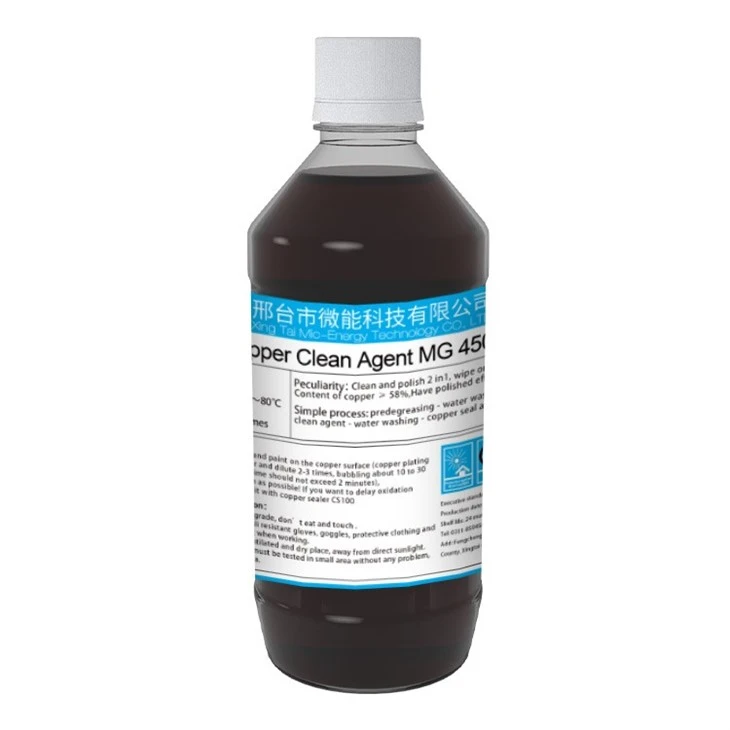
There are numerous commercial copper polishes available in the market. These products are specifically formulated to clean and shine copper. They usually contain a combination of chemicals such as solvents, abrasives, and brighteners. Copper polishes are very effective in quickly removing tarnish and restoring the luster of copper. They often come in liquid, cream, or paste form. To use a copper polish, apply a small amount to a soft cloth and rub it onto the copper surface in a circular motion. The solvents in the polish dissolve the tarnish, while the abrasives gently buff the surface to a shine. After polishing, wipe off the excess polish with a clean cloth. Commercial copper polishes are convenient and can produce excellent results with minimal effort. However, they may contain harsh chemicals that can be harmful to the environment and require careful handling. Some people may also be sensitive to the fumes or residues left by these products.
Multi - Purpose Metal Cleaners
Some multi - purpose metal cleaners also work well on copper. These cleaners are designed to clean a variety of metals, including copper, brass, and aluminum. They typically contain surfactants and mild acids that can break down dirt, grime, and tarnish. Using a multi - purpose metal cleaner on copper is straightforward. Spray the cleaner onto the copper surface or apply it with a cloth and then wipe or scrub gently. Rinse the copper thoroughly. The advantage of these cleaners is their versatility; you can use them on different metal items around the house. But they may not be as specialized as dedicated copper polishes, so the cleaning and polishing effect may not be as pronounced.
Considerations When Choosing a Cleaner
When deciding which cleaner is the best for copper, several factors need to be considered. The extent of tarnish is an important factor. For light tarnish, natural cleaners like lemon juice and salt or vinegar and baking soda may be sufficient. But for heavily tarnished copper, commercial cleaners such as copper polishes are often more effective. The type of copper item also matters. If it is a copper item that comes into contact with food, such as cookware, natural or food - safe commercial cleaners should be used. Environmental and health concerns are also significant. Natural cleaners are generally more environmentally friendly and safer for users. However, if you need a quick and highly effective solution and are willing to take the necessary precautions, commercial cleaners can be a good choice.
In conclusion, there is no one - size - fits - all answer to what is the best cleaner for copper. It depends on various factors such as the degree of tarnish, the type of copper item, and personal preferences regarding environmental and health impacts. Whether you choose a natural cleaner or a commercial one, the goal is to restore the beauty and shine of your copper items while ensuring their long - term durability.