

Washing machines are essential appliances in our daily lives, working hard to keep our clothes clean. However, over time, they can accumulate dirt, grime, mold, mildew, and detergent residue, which not only affects the performance of the machine but also leaves a bad smell on our clothes. So, finding the best thing to clean your washing machine is crucial. In this article, we will explore various options, with each secondary title focusing on a specific type related to "Washing machine cleaner", to help you make an informed decision.
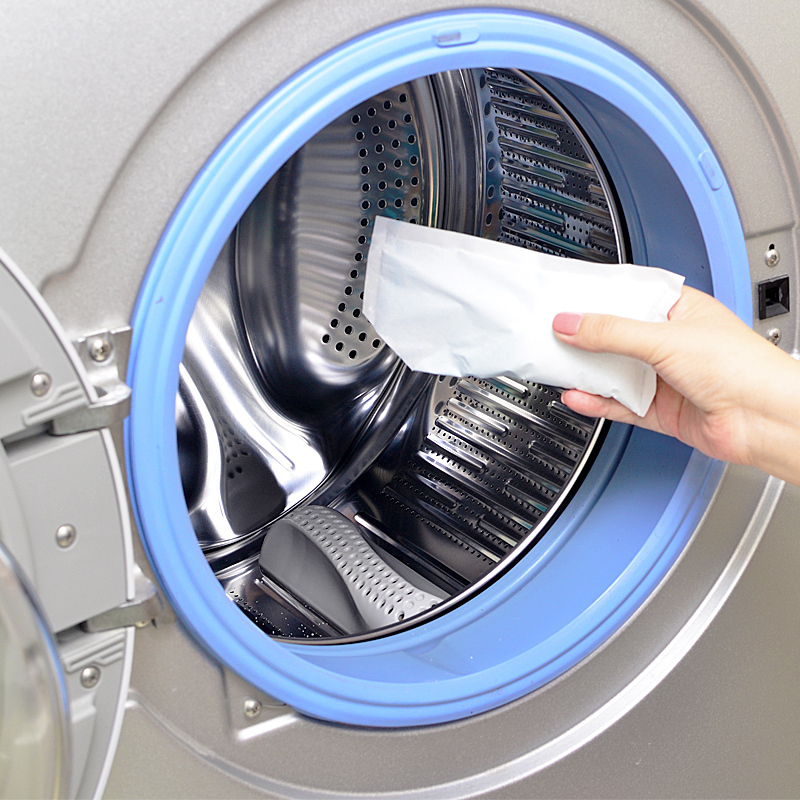
Commercial Washing Machine Cleaner: A Convenient and Effective Choice
Commercial washing machine cleaners are specially formulated products designed to tackle the dirt and residue that build up in washing machines. They come in different forms, such as powders, liquids, and tablets, making them easy to use for most people.
Types of Commercial Washing Machine Cleaners
There are several types of commercial washing machine cleaners available on the market. Powdered cleaners are often popular because they can easily dissolve in water and reach all parts of the machine. They usually contain ingredients like sodium carbonate, which helps break down dirt and detergent residue. Liquid cleaners, on the other hand, are convenient to pour directly into the machine's detergent compartment. They often have a thick consistency that clings to the inside of the machine, ensuring thorough cleaning. Tablet cleaners are another option, especially for those who prefer pre-measured doses. You simply place a tablet in the drum or detergent compartment, and it dissolves during the cleaning cycle.
How to Use Commercial Washing Machine Cleaners
Using a commercial washing machine cleaner is a straightforward process. First, make sure the washing machine is empty of all clothes. Then, depending on the type of cleaner:
For powdered cleaners: Follow the instructions on the package to measure the correct amount. Usually, you pour the powder into the detergent compartment or directly into the drum.
For liquid cleaners: Pour the recommended amount into the detergent compartment. Some liquid cleaners may require you to dilute them first, so be sure to check the instructions.
For tablet cleaners: Place one tablet in the drum (for front-loading machines) or in the detergent compartment (for top-loading machines).
Next, select the longest and hottest wash cycle. Hot water helps to activate the cleaning ingredients and kill any mold or mildew. Once the cycle is complete, wipe down the inside of the machine, including the door seal (for front-loading machines) and the detergent compartment, with a clean cloth to remove any remaining residue.
Advantages and Disadvantages of Commercial Washing Machine Cleaners
One of the main advantages of commercial washing machine cleaners is their convenience. They are pre-formulated, so you don't have to worry about mixing different ingredients. They are also widely available in supermarkets and online stores, making them easy to purchase. Additionally, most commercial cleaners are effective at removing dirt, grime, and mold, leaving your washing machine clean and smelling fresh.
However, there are some disadvantages. Commercial washing machine cleaners can be more expensive compared to homemade alternatives. Some products may also contain harsh chemicals that can be harmful to the environment or cause skin irritation if not used properly. It's important to read the labels carefully and choose a product that is safe for your machine and your family.
Homemade Washing Machine Cleaner: An Economical and Eco-Friendly Option
If you prefer a more economical and eco-friendly approach, homemade washing machine cleaners are a great alternative. They use common household ingredients that are safe for the environment and your washing machine.
Common Ingredients for Homemade Washing Machine Cleaners
There are several common household ingredients that work well as homemade washing machine cleaners. White vinegar is one of the most popular choices. It is a natural disinfectant that can kill mold, mildew, and bacteria, and it also helps to break down detergent residue. Baking soda is another effective ingredient. It is a mild abrasive that can scrub away dirt and grime, and it also helps to neutralize odors. Lemon juice is often added to homemade cleaners for its fresh scent and additional cleaning power. It contains citric acid, which can help to remove stains and brighten the inside of the machine.
Recipes for Homemade Washing Machine Cleaners
Here are two simple and effective recipes for homemade washing machine cleaners:
Vinegar and Baking Soda Cleaner
Ingredients: 2 cups of white vinegar, ½ cup of baking soda, 10-15 drops of essential oil (optional, for a fresh scent)
Instructions: First, pour the baking soda into the detergent compartment of your washing machine. Then, pour the white vinegar into the drum. If you want a fresh scent, add a few drops of essential oil to the vinegar. Next, run the longest and hottest wash cycle. Once the cycle is complete, wipe down the inside of the machine with a clean cloth. The combination of vinegar and baking soda creates a fizzing reaction that helps to loosen dirt and residue.
Lemon Juice and Baking Soda Cleaner
Ingredients: 1 cup of lemon juice, ½ cup of baking soda
Instructions: Mix the lemon juice and baking soda in a bowl to form a paste. Spread the paste on the inside of the washing machine drum, focusing on areas with visible dirt or mold. Let the paste sit for 30 minutes to an hour to allow the ingredients to work. Then, pour 1 cup of water into the detergent compartment and run the longest and hottest wash cycle. After the cycle, wipe down the inside of the machine with a clean cloth. The lemon juice adds a fresh, citrusy scent, while the baking soda scrubs away dirt.
Pros and Cons of Homemade Washing Machine Cleaners
The main advantage of homemade washing machine cleaners is their cost-effectiveness. The ingredients are inexpensive and likely already in your pantry, so you don't have to spend extra money on commercial products. They are also eco-friendly, as they don't contain harsh chemicals that can pollute the environment. Additionally, homemade cleaners are safe for most washing machines, including those with sensitive components.
However, there are some drawbacks. Homemade washing machine cleaners may not be as powerful as commercial ones, especially if your machine is heavily soiled with mold or mildew. They may also require more time and effort to prepare and use. For example, the vinegar and baking soda cleaner requires you to pour the ingredients in a specific order and run a long wash cycle. Also, the scent of homemade cleaners may not last as long as commercial ones, so you may need to clean your machine more frequently.
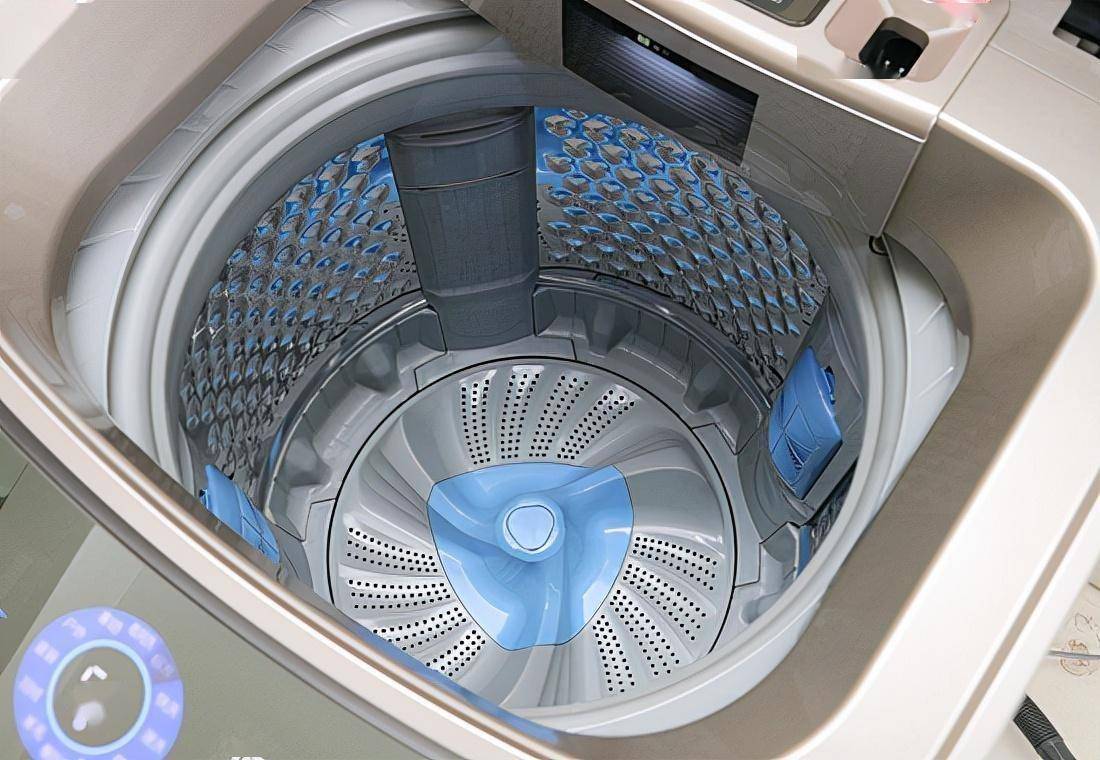
Natural Washing Machine Cleaner: Harnessing the Power of Nature
Natural washing machine cleaners are similar to homemade ones but often focus on using pure, natural ingredients without any added chemicals. They are ideal for people who are sensitive to chemicals or want to reduce their environmental impact.
Popular Natural Washing Machine Cleaner Ingredients
Some popular natural ingredients for cleaning washing machines include apple cider vinegar, which has similar disinfecting properties to white vinegar but with a slightly different scent. Tea tree oil is another natural ingredient that is known for its antifungal and antibacterial properties. A few drops of tea tree oil can be added to vinegar or water to enhance the cleaning power. Borax, a natural mineral, is also effective at removing dirt and mold. It is important to note that borax should be used with caution, as it can be toxic if ingested, so keep it away from children and pets.
How to Use Natural Washing Machine Cleaners
Using natural washing machine cleaners is similar to using homemade ones. For example, to use apple cider vinegar and tea tree oil:
Pour 2 cups of apple cider vinegar into the drum of the washing machine.
Add 10-15 drops of tea tree oil to the vinegar.
Run the longest and hottest wash cycle.
After the cycle is complete, wipe down the inside of the machine with a clean cloth.
For borax:
Mix ½ cup of borax with 1 cup of warm water to dissolve it.
Pour the solution into the detergent compartment.
Run the longest and hottest wash cycle.
Wipe down the inside of the machine after the cycle.
Benefits and Limitations of Natural Washing Machine Cleaners
The benefits of natural washing machine cleaners are numerous. They are safe for the environment, as they break down easily and don't leave harmful residues. They are also gentle on the washing machine, preventing damage to sensitive parts. For people with allergies or skin sensitivities, natural cleaners are a great choice because they don't contain harsh chemicals that can cause irritation. Additionally, many natural ingredients have a pleasant, natural scent that leaves the washing machine smelling fresh.
However, natural washing machine cleaners also have some limitations. They may not be as effective at removing tough stains or heavy mold growth compared to commercial cleaners. They may also require more frequent use to keep the washing machine clean. For example, if you use your washing machine frequently, you may need to clean it with a natural cleaner every 2-3 weeks, whereas a commercial cleaner may only be needed once a month. Also, some natural ingredients, like tea tree oil, can be expensive if used in large quantities.
Choosing the Right Washing Machine Cleaner for Your Needs
With so many options available, choosing the right washing machine cleaner can be overwhelming. To make the best choice, you need to consider several factors, including the type of washing machine you have, the level of dirt and residue, your budget, and your environmental concerns.
Consider Your Washing Machine Type
The type of washing machine you have (front-loading or top-loading) can affect which cleaner is best for you. Front-loading machines are more prone to mold and mildew growth because of the door seal, which can trap moisture. So, you may need a cleaner that is specifically formulated to kill mold and mildew. Commercial cleaners often have strong antifungal properties, making them a good choice for front-loading machines.
Homemade cleaners like vinegar and baking soda can also work, but you may need to use them more frequently. Top-loading machines, on the other hand, are easier to clean because the lid allows for better air circulation. However, they can still accumulate detergent residue, so a cleaner that breaks down residue is important. Both commercial and homemade cleaners can work well for top-loading machines.
Evaluate the Level of Dirt and Residue
The level of dirt and residue in your washing machine is another important factor. If your machine is only slightly dirty with minimal residue, a homemade or natural cleaner may be sufficient. For example, a vinegar and baking soda cleaner can easily remove light residue and freshen up the machine. However, if your machine is heavily soiled with mold, mildew, or tough stains, a commercial washing machine cleaner may be more effective. Commercial cleaners are designed to tackle tough dirt and stains, and they often have stronger cleaning agents that can penetrate deep into the machine's components.
Factor in Your Budget
Your budget is also a key consideration. Commercial washing machine cleaners can range in price from a few dollars to over $20, depending on the brand and size. If you are on a tight budget, homemade cleaners are a great option because they use inexpensive household ingredients. For example, a bottle of white vinegar costs only a few dollars and can be used for multiple cleanings. Natural cleaners may be slightly more expensive than homemade ones, especially if you use ingredients like tea tree oil, but they are still more affordable than many commercial products.
Think About Environmental Impact
If you are concerned about the environment, natural or homemade washing machine cleaners are the way to go. They use ingredients that are biodegradable and don't contribute to water pollution. Commercial cleaners, on the other hand, may contain phosphates, surfactants, and other chemicals that can be harmful to aquatic life. When choosing a commercial cleaner, look for products that are labeled "eco-friendly" or "biodegradable" to minimize your environmental impact.

Tips for Maintaining a Clean Washing Machine After Using a Washing Machine Cleaner
Once you have cleaned your washing machine with the right cleaner, it's important to maintain its cleanliness to prevent dirt and residue from building up again. Here are some tips to help you keep your washing machine clean:
Leave the Door/ Lid Open After Each Use
After finishing a wash cycle, leave the door of a front-loading machine or the lid of a top-loading machine open. This allows air to circulate inside the machine, preventing moisture from accumulating and reducing the risk of mold and mildew growth. It's a simple step but can make a big difference in keeping your machine clean.
Clean the Detergent Compartment Regularly
The detergent compartment can accumulate detergent residue, mold, and mildew over time. To clean it, remove the compartment (if possible) and soak it in warm water and vinegar for 30 minutes. Then, scrub it with a small brush to remove any remaining residue. If the compartment can't be removed, wipe it down with a cloth soaked in vinegar. Clean the detergent compartment at least once a month to keep it free from buildup.
Run a Monthly Cleaning Cycle
Even if your washing machine doesn't look dirty, it's a good idea to run a monthly cleaning cycle with your chosen washing machine cleaner. This helps to remove any hidden dirt and residue that may be building up inside the machine. Follow the instructions for your cleaner, using the longest and hottest wash cycle to ensure a thorough cleaning.
Use the Right Amount of Detergent
Using too much detergent can lead to excess residue buildup in the washing machine. Follow the instructions on the detergent package to use the correct amount for the size of your load and the level of dirt. If you have a high-efficiency (HE) washing machine, be sure to use HE detergent, which is formulated to produce less suds and reduce residue.
Wipe Down the Door Seal (Front-Loading Machines)
The door seal of a front-loading machine is a common spot for mold and mildew to grow. After each use, wipe down the door seal with a dry cloth to remove any moisture or debris. Once a week, you can also wipe it down with a cloth soaked in vinegar to kill any mold or mildew that may be starting to grow.
There is no one "best" thing to clean your washing machine, as it depends on your individual needs and preferences. Commercial washing machine cleaners are convenient and effective, while homemade and natural cleaners are economical and eco-friendly. By considering factors like your washing machine type, the level of dirt, your budget, and environmental impact, you can choose the right cleaner for you. And by following the maintenance tips, you can keep your washing machine clean and running smoothly for years to come.