

Chemical Composition
One of the biggest differences between brands of blackening agents lies in their chemical composition. Different manufacturers use different formulas, which can have a significant impact on how the agent works and what it's best suited for.
Some blackening agents are based on traditional chemical processes, like using copper salts or selenium compounds. These types of agents have been around for a long time and are known for producing a deep, rich black color. They're often used on metals like steel and iron. For example, the Best Blackening Agent for Steel we offer uses a carefully formulated blend of chemicals to create a durable black finish on steel surfaces.
On the other hand, there are newer, more environmentally friendly blackening agents that use alternative chemicals. These agents are designed to be less toxic and more sustainable. They might use things like organic acids or plant-based extracts. While they may not produce as intense a black color as the traditional agents, they're a great option for those who are looking for a greener solution.
Application Method
Another important factor to consider is the application method. Different brands of blackening agents may require different application techniques, and this can affect how easy they are to use and the results you'll get.
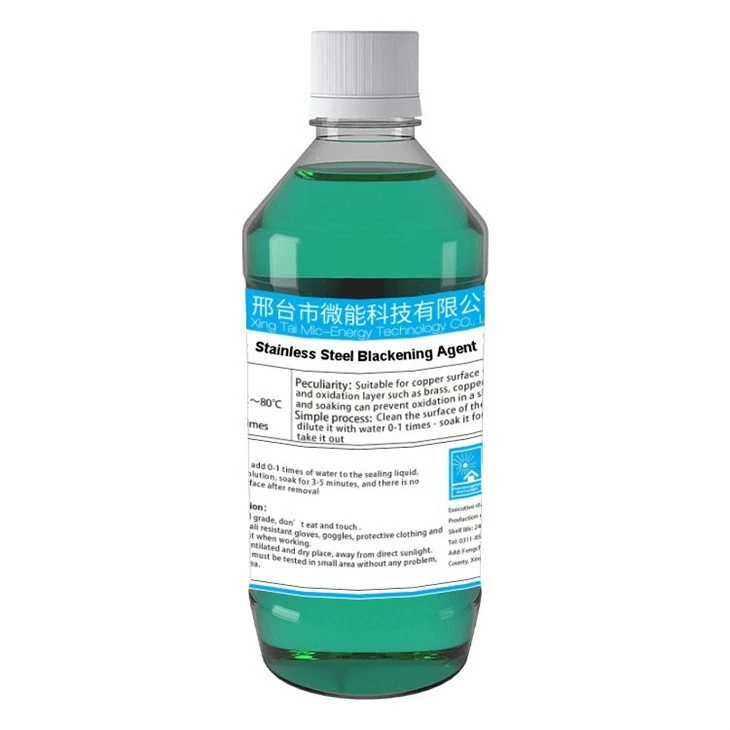
Some blackening agents come in a liquid form that can be applied by dipping the metal object into the solution. This is a common method for treating small parts or items with complex shapes. It allows the agent to coat the entire surface evenly. Our Heavy Duty Blackening Agent for Stainless Steel is a great example of a dip-type blackening agent. It's easy to use and provides excellent coverage on stainless steel surfaces.
Other agents are available as sprays or pastes. Sprays are convenient for larger surfaces or when you need to apply the agent quickly. They can be used to create a more uniform finish, but you need to be careful to apply them evenly to avoid streaks. Pastes, on the other hand, are useful for spot-treating or for applying the agent to specific areas. They tend to provide a thicker, more concentrated layer of the blackening agent.
Drying And Curing Time
The drying and curing time of a blackening agent can also vary from brand to brand. This is an important consideration, especially if you're working on a project with a tight deadline.
Some agents dry and cure very quickly, allowing you to move on to the next step of your project right away. These fast-drying agents are great for high-volume production or when you need to get the finished product out the door quickly. However, they may require special handling or storage conditions to ensure proper curing.
Other agents take longer to dry and cure. While this can be a bit of a drawback in terms of time, it can also give you more time to make adjustments or correct any mistakes. Longer curing times can also result in a more durable and long-lasting finish.
Durability And Resistance
The durability and resistance of the blackening agent are crucial factors, especially if the finished product will be exposed to harsh conditions. Different brands offer different levels of protection against things like corrosion, wear, and abrasion.
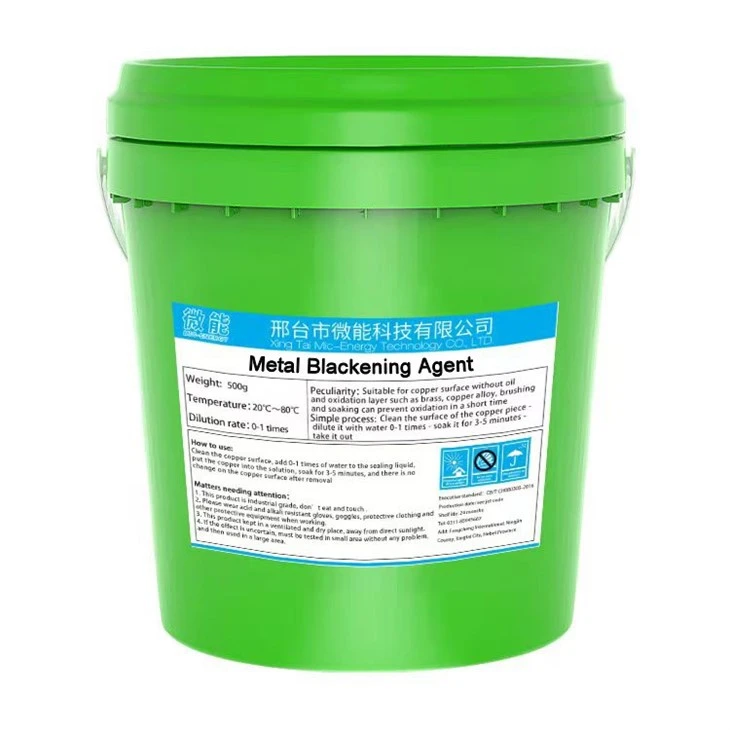
Some blackening agents provide a high level of corrosion resistance, making them ideal for outdoor applications or for use in environments where the metal is likely to come into contact with moisture or chemicals. For example, our Good Copper Blackening Agent is formulated to protect copper surfaces from oxidation and corrosion, ensuring a long-lasting black finish.
Other agents are more resistant to wear and abrasion. These are great for items that will be subject to a lot of handling or friction, such as tools or machinery parts. They can help prevent the black finish from wearing off over time, keeping the product looking good for longer.
Cost
Of course, cost is always a consideration when choosing a blackening agent. Different brands can vary significantly in price, depending on factors like the chemical composition, the application method, and the level of performance.
It's important to remember that the cheapest option isn't always the best. While a low-cost blackening agent may save you money upfront, it may not provide the same level of quality or durability as a more expensive brand. On the other hand, you don't necessarily need to go for the most expensive option either. It's all about finding the right balance between cost and performance.
Compatibility With Different Metals
Not all blackening agents are suitable for all types of metals. Some are specifically formulated for use on steel, while others work better on copper, brass, or stainless steel.
Before you choose a blackening agent, make sure it's compatible with the metal you're working with. Using the wrong agent can result in a poor finish or even damage to the metal. For example, using a blackening agent designed for steel on copper may not produce the desired black color and could potentially cause the copper to corrode.
Conclusion
So, there you have it! These are some of the main differences between different brands of blackening agents. As a supplier, I understand that choosing the right agent can be a bit overwhelming, but I hope this blog post has given you a better understanding of what to look for.
If you're still not sure which blackening agent is right for your project, don't hesitate to reach out. I'm here to help you make the best decision and ensure that you get the results you're looking for. Whether you need a high-performance agent for industrial applications or a more environmentally friendly option for a DIY project, we've got you covered.
If you're interested in purchasing any of our blackening agents, or if you have any questions about our products, feel free to contact us. We're always happy to discuss your needs and provide you with more information. Let's work together to find the perfect blackening agent for your project!