

In the realm of metal surface treatment, pickling paste and passivation are two commonly employed processes, each serving distinct purposes and yielding different results. Understanding the differences between these two methods is crucial for ensuring optimal performance and longevity of metal components.

Definition and Purpose
Pickling paste is a semi - solid, acidic formulation primarily used for the removal of impurities from metal surfaces. These impurities can include rust, scale, oxides, and other contaminants that accumulate over time or as a result of manufacturing processes such as welding or heat - treatment. By applying pickling paste to the metal surface, the acidic components in the paste react with these impurities, effectively dissolving them and leaving behind a cleaner, more pristine surface. This process is often a pre - treatment step, preparing the metal for subsequent operations like painting, plating, or further finishing processes.
On the other hand, passivation is a chemical process aimed at enhancing the corrosion resistance of metals. It involves creating a thin, protective oxide layer on the metal surface. This layer acts as a barrier, preventing the underlying metal from coming into direct contact with corrosive substances in the environment. Passivation is particularly important for metals such as stainless steel, which rely on this passive oxide layer to maintain their corrosion - resistant properties. The goal of passivation is not to clean the surface in the same way as pickling paste but rather to fortify the metal's natural defenses against corrosion.

Chemical Composition and Reactivity
Pickling paste typically contains strong acids such as hydrochloric acid, sulfuric acid, or a combination of acids, along with thickening agents to give it a paste - like consistency. These acids are highly reactive with the impurities on the metal surface. For example, hydrochloric acid can react with rust (iron oxide) to form soluble iron chloride salts, which can then be easily rinsed away. However, due to the strength of these acids, pickling paste can also react with the base metal to some extent, especially if left on the surface for too long or if the concentration is too high.
Passivation, in contrast, often utilizes milder oxidizing agents. For stainless steel, nitric acid or citric acid is commonly used. These acids work by selectively removing free iron and other less noble metals from the surface of the stainless steel. As a result, a chromium - rich oxide layer forms on the surface. Chromium is a key element in stainless steel that contributes to its corrosion resistance, and this passivation layer further enhances this property. The reaction in passivation is more controlled and is focused on modifying the surface chemistry to create a protective layer rather than aggressively dissolving impurities.
Application Process
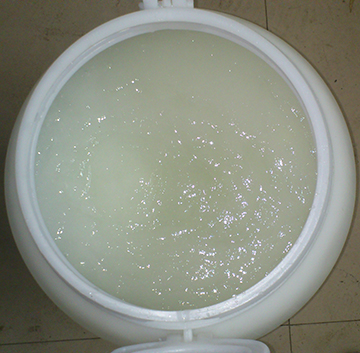
Applying pickling paste involves spreading the paste evenly over the metal surface. This can be done using a brush, a spatula, or other suitable applicators. The paste needs to be left on the surface for a specific period, depending on the severity of the contamination and the type of metal. During this time, the acid in the paste reacts with the impurities. After the reaction time has elapsed, the paste and the dissolved impurities are removed, usually by rinsing with water or using a neutralizing agent.
Passivation, when applied to metal components, often involves immersing the metal in a passivation solution. For larger or more complex - shaped objects, the solution can also be sprayed or painted onto the surface. The metal is then left in contact with the solution for a defined time, allowing the chemical reaction to occur and the protective oxide layer to form. After passivation, the metal is thoroughly rinsed to remove any residual solution.

Effects on the Metal Surface
Pickling paste can have a significant impact on the appearance and properties of the metal surface. Since it removes impurities and may also etch the surface slightly, it can change the texture and finish of the metal. For example, a previously smooth metal surface may become slightly rougher after pickling. In some cases, pickling can also lead to a change in the color of the metal, especially if there is a significant amount of rust or oxidation being removed. However, it does not enhance the metal's long - term corrosion resistance on its own.
Passivation, on the other hand, has a more subtle effect on the appearance of the metal. In most cases, it does not visibly change the texture or color of the metal surface. Instead, it creates an invisible but highly effective protective layer. This layer not only improves the metal's resistance to corrosion but also helps to maintain the integrity of the metal over time, reducing the risk of pitting, rusting, and other forms of degradation.

Environmental and Safety Considerations
Both pickling paste and passivation processes require careful handling due to the use of chemicals. Pickling paste, with its strong acids, can be hazardous to human health if not handled properly. It can cause skin burns, eye damage, and respiratory problems if inhaled. Additionally, the waste generated from pickling contains heavy metals and acidic residues, which need to be treated and disposed of in an environmentally responsible manner.
Passivation, while using milder chemicals in general, still requires caution. The passivation solutions can also be harmful if they come into contact with the skin or eyes. However, the waste generated from passivation is often less hazardous compared to pickling waste. The focus in passivation waste treatment is mainly on neutralizing the remaining acidic solution rather than dealing with large amounts of dissolved heavy metals.
In conclusion, pickling paste and passivation are two distinct processes in metal surface treatment. Pickling paste is centered around cleaning the metal surface by removing impurities, while passivation is focused on enhancing the metal's corrosion resistance by forming a protective oxide layer. Their differences in chemical composition, application process, effects on the metal, and environmental impact make them suitable for different scenarios in metalworking and manufacturing.