

In the realm of modern industry, the metal surface process stands as a crucial and multifaceted technique that significantly impacts the performance, durability, and aesthetics of metal products. At its core, the metal surface process refers to a series of methods and treatments applied to the surface of metals to alter their physical, chemical, or mechanical properties, aiming to meet specific requirements for various applications.
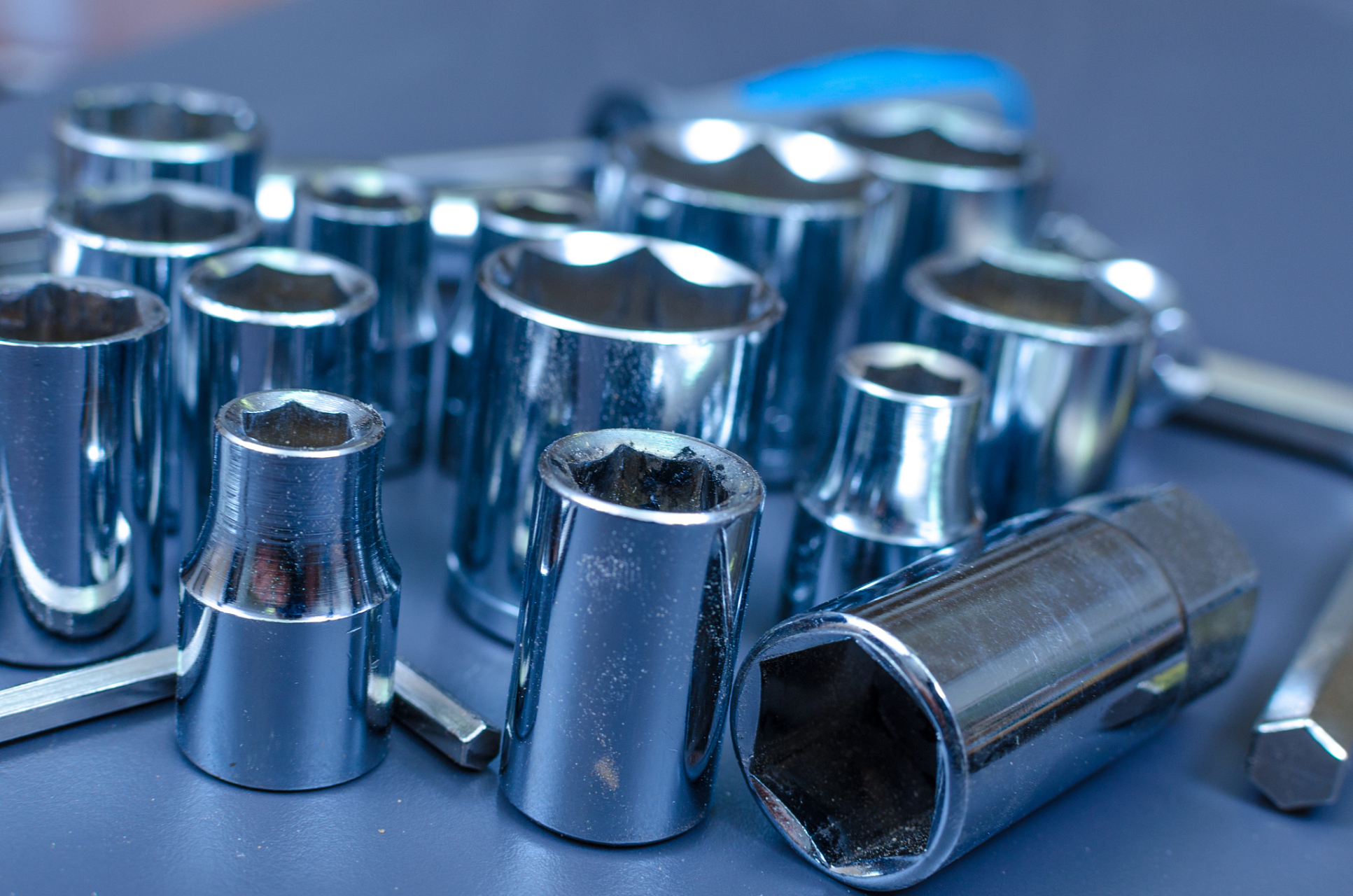
One of the primary categories of metal surface processes is surface cleaning. Before any further treatment, it is essential to remove contaminants such as grease, dirt, rust, and scale from the metal surface. Common cleaning methods include mechanical cleaning, such as sandblasting and shot peening. Sandblasting uses high - velocity sand particles to abrade the surface, effectively removing rust and old coatings, while shot peening employs small spherical shots to impact the metal surface, enhancing its fatigue resistance by introducing compressive stresses. Chemical cleaning methods, like pickling with acids or degreasing with solvents, are also widely used. Pickling can dissolve rust and scale on the metal surface, restoring its original smoothness, and degreasing solvents can quickly remove oil - based contaminants, preparing the surface for subsequent processes.
Surface coating is another vital aspect of the metal surface process. There are several types of coatings, each with its own unique functions. Electroplating is a well - known technique where a thin layer of another metal is deposited onto the base metal through an electrochemical process. For example, electroplating a layer of chromium onto steel can improve its corrosion resistance and hardness, as well as give it an attractive shiny appearance, which is commonly seen in automotive trim and bathroom fixtures. In addition, electroless plating, which does not require an external electric current, can deposit a uniform layer of metal on complex - shaped parts. Paint coating is also extremely common. Different types of paints, such as epoxy paints, polyester paints, and acrylic paints, can be applied to metal surfaces. These paints not only provide corrosion protection but also offer a wide range of colors and finishes, making metal products more aesthetically pleasing and suitable for various environments, from indoor furniture to outdoor architectural structures.
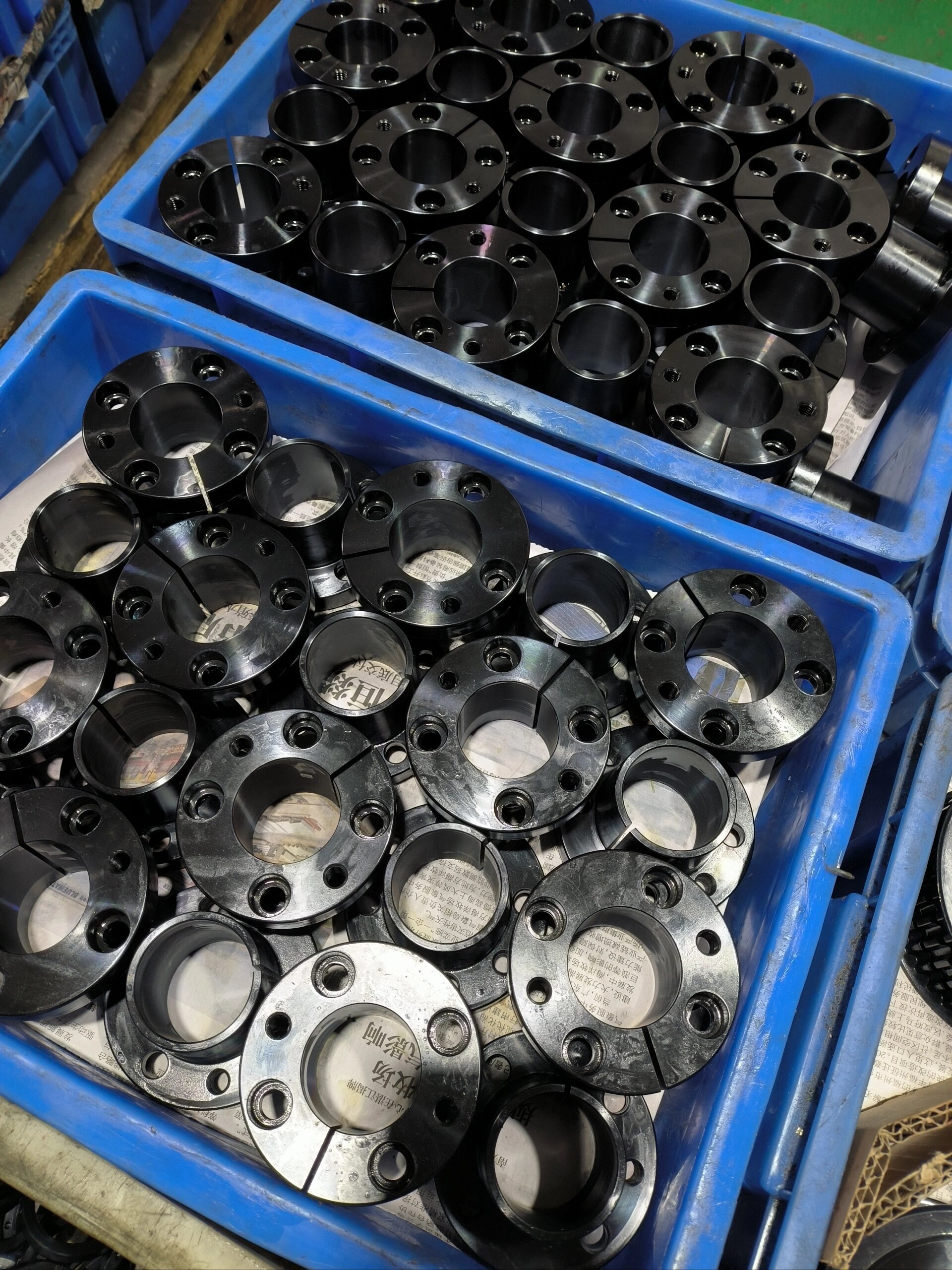
Anodizing is a specialized surface treatment mainly applied to aluminum and its alloys. In this process, the metal is made the anode in an electrolytic cell, and an oxide layer is formed on its surface. This anodized oxide layer is much thicker and more durable than the natural oxide film on aluminum. It provides excellent corrosion resistance, wear resistance, and can also be dyed to achieve different colors, making anodized aluminum widely used in the construction industry for window frames, curtain walls, and in the manufacturing of consumer electronics such as smartphones and tablets for their sleek and stylish exteriors.
Heat treatment - related surface processes, such as case hardening, also play a significant role. Case hardening methods like carburizing and nitriding are used to increase the hardness and wear resistance of the metal surface while maintaining a relatively ductile core. Carburizing involves introducing carbon into the surface layer of low - carbon steel in a high - temperature environment with a carbon - rich atmosphere. After carburizing and subsequent quenching and tempering, the surface becomes hard and wear - resistant, which is ideal for components like gears and camshafts in machinery that need to withstand high contact stresses. Nitriding, on the other hand, diffuses nitrogen into the metal surface, forming hard nitride compounds. This process can improve the surface hardness, fatigue resistance, and corrosion resistance of metals, and is often used for parts that require high - precision and long - term performance, such as precision screws and shafts.
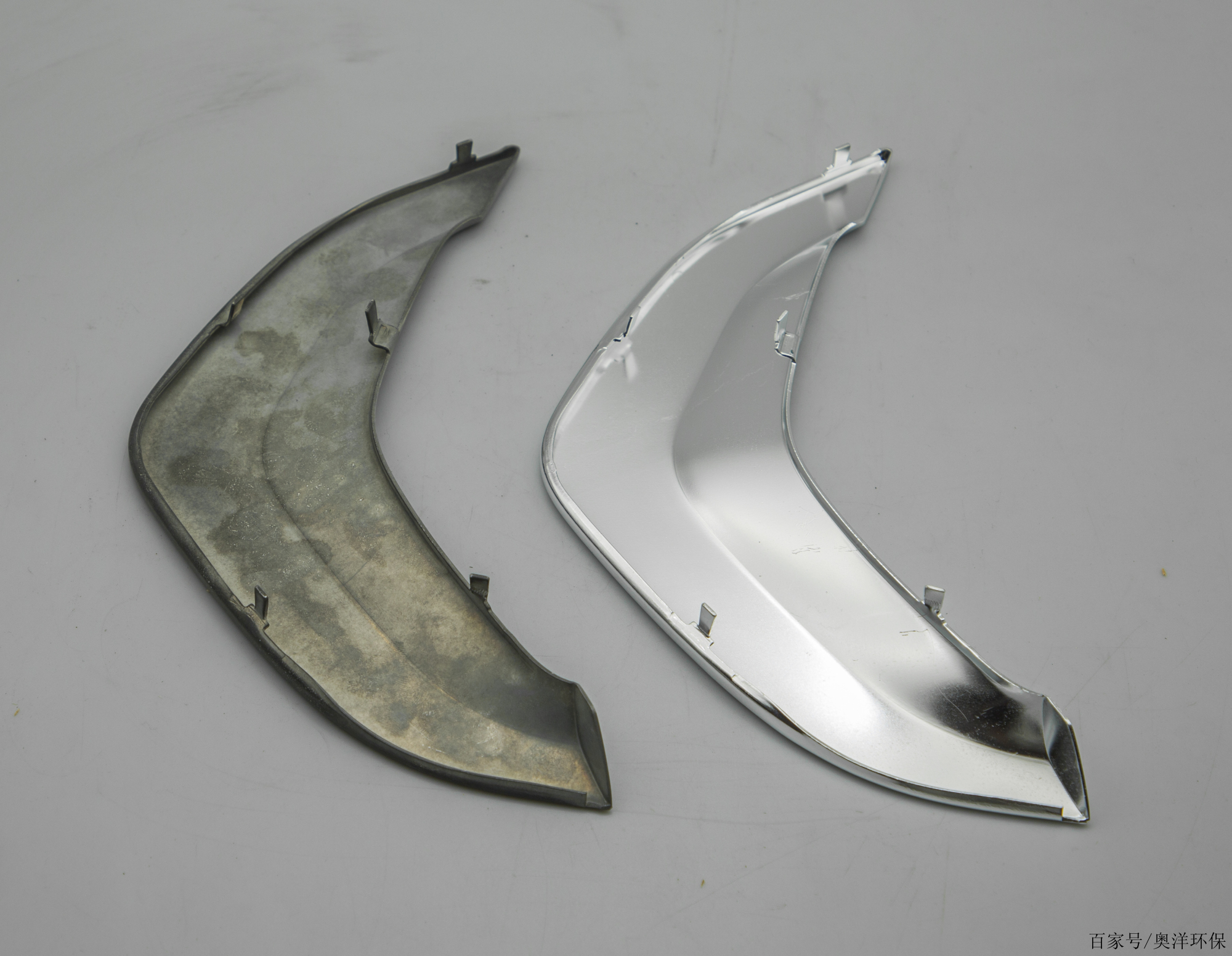
The metal surface process serves multiple important functions. Firstly, it enhances the corrosion resistance of metals, protecting them from the damaging effects of moisture, chemicals, and the atmosphere. This is crucial for extending the service life of metal products, especially those used in harsh environments like marine structures and chemical plants. Secondly, it improves the mechanical properties of the metal surface, such as hardness, wear resistance, and fatigue resistance, enabling the metal components to perform better under various loads and operating conditions. Thirdly, the metal surface process significantly impacts the aesthetics of metal products. Through different coating and coloring techniques, metals can be made to look more attractive and can be customized to meet the design requirements of different industries, from fashion accessories to high - end automotive designs.
As technology continues to evolve, the metal surface process is also undergoing continuous innovation. New materials and techniques are being developed to further improve the efficiency and performance of surface treatments. For example, the development of nanotechnology - based surface coatings shows great potential in providing even better corrosion resistance and self - cleaning properties. In addition, environmentally friendly surface treatment processes are becoming more and more popular, aiming to reduce the use of harmful chemicals and waste generation, which is in line with the global trend of sustainable development.
In conclusion, the metal surface process is a diverse and essential field in modern manufacturing. From basic cleaning to complex coating and treatment methods, it plays a vital role in improving the quality, functionality, and appearance of metal products, and will continue to evolve and contribute to the advancement of various industries in the future.