

What is the solution of hydrogen peroxide used for?
Hydrogen peroxide solution, with the chemical formula H₂O₂, is a versatile liquid that finds applications in numerous fields due to its oxidizing properties. Its uses range from medical and household to industrial and environmental, making it an essential substance in various aspects of daily life and production.
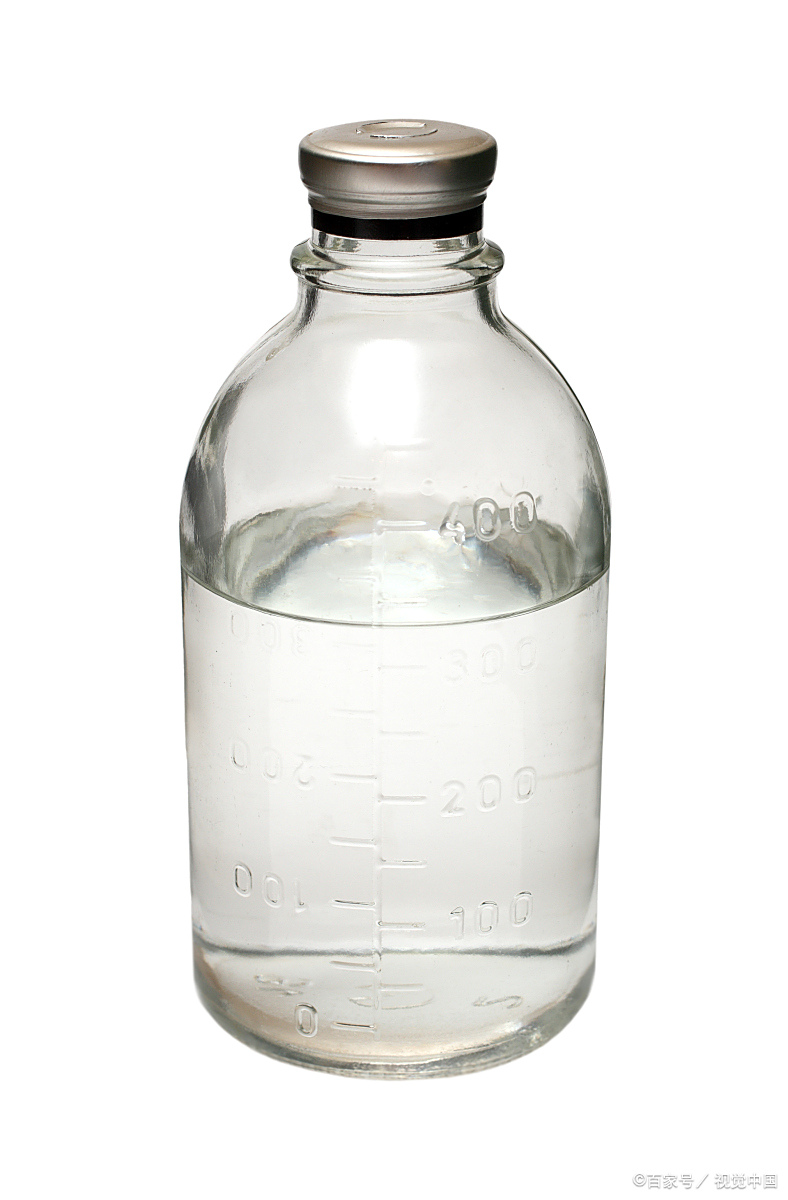
In the medical field, hydrogen peroxide solution is widely employed as a disinfectant. A common concentration used here is 3%, which is effective in killing bacteria, viruses, and fungi. When applied to wounds, it releases oxygen, creating an environment that inhibits the growth of anaerobic microorganisms. This helps in cleaning the wound by removing debris and dead tissue, reducing the risk of infection. It is often used to disinfect minor cuts, scrapes, and burns. However, it should be noted that higher concentrations can be harmful to living tissues, so the 3% solution is the standard for such medical purposes.
Household cleaning is another major area where hydrogen peroxide solution proves useful. It serves as a powerful stain remover, especially for organic stains like blood, sweat, and food spills. When applied to stained fabrics, it breaks down the chemical bonds of the stains, making them easier to wash away. Additionally, it can be used to clean and disinfect various surfaces in the home, such as countertops, floors, and bathroom fixtures. Unlike some harsh chemical cleaners, it decomposes into water and oxygen, leaving no harmful residues, which makes it a more environmentally friendly option.
In the industrial sector, hydrogen peroxide solution has a wide range of applications. One significant use is in the bleaching of paper and textiles. It acts as a bleaching agent by breaking down the color-causing molecules in these materials, resulting in a whiter and brighter finish. Compared to traditional bleaching agents like chlorine, hydrogen peroxide is less harmful to the environment and does not produce toxic by-products. It is also used in the production of chemicals, such as peracetic acid, which is used as a disinfectant in the food and beverage industry.

The agricultural industry also benefits from the use of hydrogen peroxide solution. It can be used to treat water for irrigation, helping to eliminate harmful pathogens that may be present in the water. This ensures that the crops receive clean water, reducing the risk of disease and improving crop yields. Additionally, it can be used as a foliar spray on plants, which helps to enhance their growth and resistance to pests and diseases. The oxygen released by the solution promotes root development and improves the uptake of nutrients by the plants.
Environmental protection is another field where hydrogen peroxide solution plays a role. It is used in wastewater treatment to remove organic pollutants and harmful substances. The oxidizing properties of hydrogen peroxide help to break down these contaminants into harmless compounds, making the water safer to discharge or reuse. It is also used in the remediation of contaminated soil, where it helps to break down pollutants such as petroleum hydrocarbons and pesticides.
In the beauty and personal care industry, hydrogen peroxide solution is used in hair bleaching products. It works by breaking down the melanin in the hair, lightening its color. However, it is important to use these products with caution as excessive use can damage the hair, making it dry and brittle.
It is crucial to handle hydrogen peroxide solution properly, as higher concentrations can be corrosive and cause burns. When using it, it is advisable to wear protective gloves and eye protection, and to follow the instructions on the label. It should also be stored in a cool, dark place, away from heat and other chemicals, to prevent decomposition.
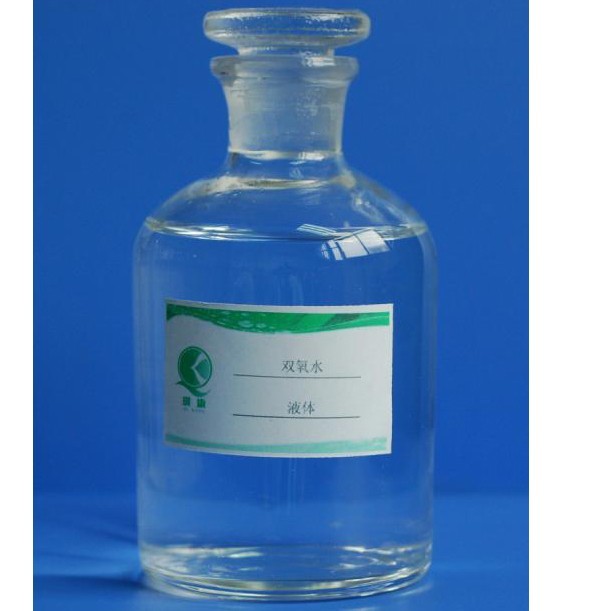
In conclusion, hydrogen peroxide solution is a highly versatile substance with a wide range of applications in medical, household, industrial, agricultural, environmental, and personal care fields. Its ability to act as a disinfectant, bleaching agent, and oxidizer, along with its relatively safe decomposition products, makes it an invaluable tool in many aspects of our lives. However, it is important to use it responsibly and safely to maximize its benefits while minimizing any potential risks.