

Rust, the reddish-brown scourge that plagues metal objects, is a common yet often misunderstood phenomenon. It not only degrades the aesthetic appeal of metal but also weakens its structural integrity, leading to potential safety hazards and costly replacements. One of the most effective and widely used methods to combat rust is applying a thin layer of oil to the metal surface. But why does this simple act have such a profound impact on rust prevention? To answer this question, we must first understand the science behind rust formation.

Rust is essentially the result of a chemical process known as oxidation, specifically a type of corrosion that affects iron and its alloys, such as steel. When iron is exposed to oxygen and water, a series of chemical reactions occur. The iron atoms lose electrons and react with oxygen in the presence of water, forming iron oxide, commonly known as rust. Water acts as an electrolyte, facilitating the flow of electrons and accelerating the corrosion process. This electrochemical reaction is similar to how a battery works, with the metal surface acting as both the anode and cathode in the reaction. Once rust starts to form, it continues to spread, eating away at the metal from the surface inward.
The primary way oil helps prevent rust is by creating a physical barrier between the metal and the environment. Oil, being hydrophobic (water-repelling), forms a continuous film on the metal surface. This film effectively blocks water molecules from coming into direct contact with the metal. Without water, the electrochemical reaction that drives rust formation cannot occur efficiently. Similarly, the oil layer also restricts the access of oxygen to the metal surface. Oxygen is a key reactant in the oxidation process, and by limiting its contact with the iron, the rate of rust formation is significantly reduced.
In addition to its barrier - forming properties, oil also has lubricating characteristics that contribute to rust prevention. When metal parts are in motion, such as in machinery or moving components, friction between surfaces can cause tiny scratches or abrasions. These imperfections provide entry points for water and oxygen, accelerating rust development. By applying oil, the friction between metal surfaces is minimized, reducing the likelihood of surface damage. A smooth, well - oiled surface is less prone to the formation of microscopic crevices where moisture can accumulate and initiate corrosion.
Furthermore, some types of oils contain additives that enhance their rust - preventing capabilities. For example, certain oils are formulated with corrosion inhibitors. These additives work at a molecular level, chemically bonding with the metal surface to form a protective layer that is even more resistant to rust. They can neutralize acidic substances that might be present in the environment and react with the metal to cause corrosion. Some corrosion inhibitors also have the ability to displace water that may have already come into contact with the metal, further enhancing the protective effect of the oil.
n preventing rust also depends on the type of oil used and the application method. Mineral oils, synthetic oils, and vegetable - based oils all have different properties that affect their rust - prevention performance. Mineral oils, derived from petroleum, are commonly used due to their affordability and good general - purpose rust - prevention capabilities. Synthetic oils, on the other hand, offer superior performance in extreme conditions, with better resistance to high temperatures, oxidation, and chemical degradation. Vegetable - based oils are more environmentally friendly but may have shorter - lasting protective effects and are more prone to degradation over time.
When applying oil to metal, proper technique is crucial. The metal surface should be thoroughly cleaned and dried before oil application to remove any existing dirt, moisture, or contaminants that could compromise the effectiveness of the oil. A thin, even layer of oil is usually sufficient; applying too much oil can attract dust and debris, which may then trap moisture and actually promote rust formation. Regular re - application of oil is also necessary, especially for metal objects that are frequently exposed to harsh environments or undergo heavy use, as the oil layer can gradually wear off or be displaced.
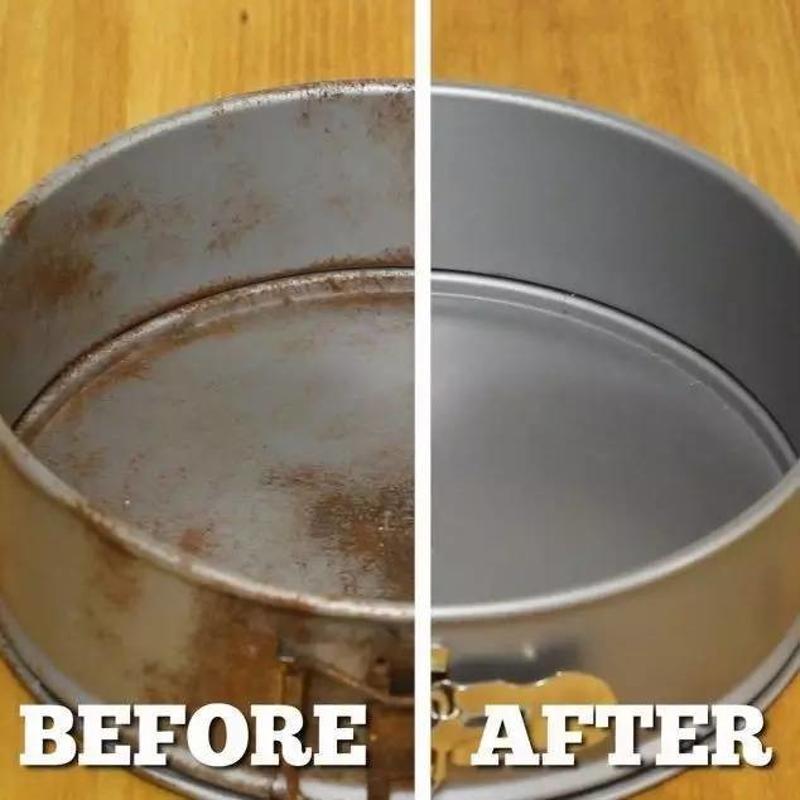
In conclusion, putting oil on metal helps prevent rust from forming by creating a physical barrier against water and oxygen, reducing friction - induced surface damage, and potentially providing additional chemical protection through the use of additives. Understanding the science behind this process allows us to make informed decisions about which oils to use and how to apply them effectively. Whether it's protecting the tools in a workshop, the components of a car engine, or the metal structures of a building, the simple act of oiling metal can go a long way in extending its lifespan and maintaining its functionality.