

Why Gold Loses Its Shine-and Why Gold Cleaner Is the Solution
Gold is celebrated for its timeless luster and resistance to corrosion, but even this precious metal can lose its dazzling glow over time. Contrary to popular belief, pure gold does not tarnish, but most gold items-from jewelry to decorative pieces-are alloys mixed with other metals like copper, silver, or nickel to enhance durability. These alloys react with everyday elements, leading to dullness, discoloration, or a cloudy film that hides gold's natural brilliance. Common culprits include skin oils, lotions, perfumes, sweat, and even environmental pollutants, which build up on the surface and create a barrier between light and the gold itself. While mild cleaning methods can address minor dullness, gold cleaner is the most effective tool to restore its shine, as it is specifically formulated to target tough residues without damaging the metal or its finish. Unlike generic cleaning products, gold cleaners are designed to dissolve buildup, remove tarnish from alloys, and polish the surface to bring back that iconic golden glow safely and efficiently.

Types of Gold Cleaners: Choosing the Right One for Your Gold
Not all gold cleaners are created equal, and selecting the right product depends on the type of gold you own, the level of dullness, and whether the item has gemstones or delicate details. Understanding the different types of gold cleaners will help you achieve the best results without risking damage. From gentle wipes to powerful ultrasonic machines, each option caters to specific needs, ensuring you can restore shine without compromising your gold's integrity. Whether you have a delicate gold necklace with pearls, a solid gold ring, or a gold-plated bracelet, there is a gold cleaner designed to meet your requirements, making the process simple and effective.
Liquid Gold Cleaners: Versatile and Effective for Most Gold Items
Liquid gold cleaners are the most common and versatile option, suitable for most gold pieces, including 14K, 18K, and 24K gold, as well as gold-plated items. These cleaners typically come in a bottle or a dip tray and contain a mild, non-abrasive formula that dissolves oils, dirt, and tarnish without scratching the surface. Many liquid gold cleaners are infused with surfactants and mild acids that break down buildup, while also containing conditioning agents to protect the gold after cleaning. To use, simply soak the gold item in the liquid for the recommended time (usually 5–10 minutes), gently scrub with a soft brush to remove stubborn residue, and rinse thoroughly with warm water. Brands like Connoisseurs Gold Jewellery Cleaner are popular choices, as they are safe for most gold types and even work on items with small gemstones like diamonds.
Gold Polishing Cloths: Ideal for Quick Touch-Ups
Gold polishing cloths are a convenient, no-mess option for maintaining shine and addressing minor dullness between deep cleanings. These cloths are treated with a special polishing compound that removes surface tarnish and restores luster with a simple wipe. Unlike liquid cleaners, polishing cloths do not require water or rinsing, making them perfect for on-the-go touch-ups or for items that cannot be soaked, such as gold watches or pieces with delicate engravings.

Ultrasonic Gold Cleaners: Powerful for Heavy Buildup
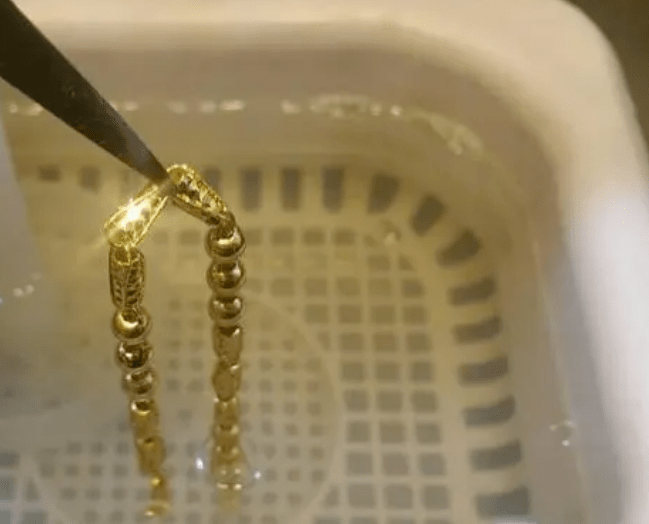
Ultrasonic gold cleaners are a more advanced option, ideal for gold items with heavy buildup, intricate details, or hard-to-reach crevices (such as detailed gold jewelry or gold coins). These machines use high-frequency sound waves to create tiny bubbles that gently lift dirt, oils, and tarnish from the surface of the gold, without the need for scrubbing. Most ultrasonic cleaners come with a cleaning solution specifically formulated for gold, which enhances the cleaning power while protecting the metal. However, they are not suitable for all gold items-avoid using them on gold-plated pieces (as the vibrations can damage the plating) or items with fragile gemstones like pearls, opals, or emeralds, which may loosen or crack. For solid gold items with no delicate stones, ultrasonic cleaners are a fast and effective way to restore shine, often working in just a few minutes.
Homemade Gold Cleaners: A Budget-Friendly Alternative
For those who prefer a natural, budget-friendly option, homemade gold cleaners can be effective for minor dullness, though they are not as powerful as commercial gold cleaners. The most popular homemade recipe combines warm water and a few drops of mild dish soap (like Dawn Ultra, a jeweler-recommended brand), which creates a gentle solution that cuts through oils and dirt. Another option is a mixture of warm water and diluted ammonia (1 cup water to 2 tablespoons ammonia), which is effective for heavy buildup but should be used with caution-always work in a well-ventilated area and limit soaking time to 5–10 minutes to avoid damaging gold alloys. It's important to note that homemade cleaners are not suitable for all gold items; avoid using vinegar, lemon juice, or baking soda, as these can scratch or corrode gold, especially plated pieces.
Step-by-Step Guide: Using Gold Cleaner to Restore Gold's Shine
Using a gold cleaner correctly is key to restoring your gold's shine without causing damage. Whether you choose a liquid cleaner, polishing cloth, or ultrasonic machine, following a few simple steps will ensure the best results. Before you begin, always check the manufacturer's instructions for your gold item-some pieces, especially those with gemstones or delicate finishes, may have specific cleaning requirements. Additionally, inspect your gold for any damage (such as scratches, loose stones, or worn plating) before cleaning, as harsh cleaning can worsen these issues. With the right tools and technique, you can make your gold shine like new in just a few minutes.
Pre-Cleaning Preparation: Protect Your Gold and Workspace
Before using any gold cleaner, take a few minutes to prepare your workspace and your gold item. Start by laying down a soft cloth or towel to prevent your gold from scratching on hard surfaces. If your gold item has gemstones, check if they are loose or damaged-if so, avoid soaking or scrubbing, as this could cause the stones to fall out. For items with intricate details or crevices, use a soft-bristled brush (like a clean toothbrush) to remove any loose dirt or debris before applying the cleaner. It's also a good idea to check if the manufacturer offers complimentary cleaning services, as this can save you time and ensure your gold is cleaned safely without voiding any warranty. If no instructions are available, proceed with caution and choose the gentlest cleaning method first.
Using Liquid Gold Cleaner: The Most Common Method
Liquid gold cleaner is the most straightforward option for deep cleaning gold items. Start by reading the instructions on the cleaner bottle, as soaking times can vary (usually 5–10 minutes for most gold pieces). Pour the cleaner into a small, non-metallic bowl (glass or plastic works best) and submerge the gold item completely. Avoid over-soaking, as this can damage gold-plated items or weaken the settings of gemstones. After soaking, use a soft-bristled brush to gently scrub the surface, paying extra attention to crevices, engravings, and areas with heavy buildup. Rinse the gold thoroughly with warm (not hot) water to remove all traces of the cleaner-hot water can cause temperature shock and damage the gold or gemstones. Pat the gold dry with a clean, lint-free microfiber cloth, and avoid air-drying, as this can encourage oxidation in non-pure gold alloys.
Using a Gold Polishing Cloth: Quick and Easy Touch-Ups
Gold polishing cloths are perfect for maintaining shine or addressing minor dullness without the need for water or chemicals. To use, simply take the polishing cloth and gently rub it over the surface of the gold in a circular motion. Apply light pressure-too much pressure can scratch the gold, especially if it's plated or has a delicate finish. Focus on areas that are particularly dull or tarnished, and continue rubbing until the gold regains its shine. For intricate details or small crevices, fold the cloth into a small corner to reach those hard-to-access areas. Remember that polishing cloths are single-use in terms of effectiveness-once the cloth turns dark (from absorbing tarnish), it's time to replace it. After polishing, use a clean, dry cloth to wipe away any residue, leaving your gold looking bright and polished.

Using an Ultrasonic Gold Cleaner: For Deep, Effortless Cleaning
Ultrasonic gold cleaners are ideal for deep cleaning solid gold items with heavy buildup or intricate details. Start by filling the machine's reservoir with the recommended gold cleaning solution (do not use water alone, as this will not effectively remove tarnish). Place the gold item in the cleaning basket, making sure it is fully submerged and not touching the sides of the machine (this can cause scratching). Turn on the machine and let it run for the recommended time-usually 3–5 minutes for most gold pieces. Avoid running the machine for longer than recommended, as excessive vibrations can damage the gold or its settings. Once the cycle is complete, remove the gold item and rinse it thoroughly with warm water. Dry it with a lint-free microfiber cloth, and inspect for any remaining buildup-if needed, repeat the process or use a soft brush to remove stubborn residue.