

The Core Role of Coolant: Beyond Simple Temperature Control
Coolant, also known as antifreeze, is an essential fluid in a car's engine system, serving far more than just keeping the engine cool. While its name suggests a primary focus on heat reduction, it is a multi-functional component that ensures the engine operates efficiently, reliably, and safely in all weather conditions. Without proper coolant, an engine would quickly overheat, leading to severe damage such as warped cylinder heads, blown gaskets, or even complete engine failure. Additionally, coolant protects the engine from corrosion, freezing, and cavitation, making it a critical factor in the longevity and performance of any vehicle. To fully understand its importance, we must break down its key functions and how they interact with the engine's operation.

How Coolant Regulates Engine Temperature
The Engine's Heat Generation Problem
A car's internal combustion engine produces an enormous amount of heat during operation. When fuel burns inside the cylinders to power the vehicle, only about 25-30% of the energy is converted into mechanical power; the remaining 70-75% is released as heat. If this heat is not effectively managed, the engine's internal components-such as pistons, valves, and cylinder walls-would expand beyond their design limits, causing friction, wear, and eventual breakdown. For example, if the engine temperature exceeds 230°F (110°C), the metal components can warp, and the engine oil can thin out, losing its lubricating properties. This is where coolant steps in, acting as a heat transfer medium to carry excess heat away from the engine.
The Coolant Circulation Process
Coolant circulates through the engine via a closed-loop system, consisting of a water pump, radiator, thermostat, and hoses. The water pump pushes coolant through small passages in the engine block and cylinder head, where it absorbs heat from the hot metal surfaces. Once the coolant has absorbed the heat, it flows to the radiator, a device with thin metal fins that dissipate the heat into the surrounding air. A fan helps accelerate this heat transfer, especially when the car is idling or moving at low speeds. After cooling down, the coolant returns to the engine to repeat the process. The thermostat regulates the flow of coolant, ensuring the engine reaches its optimal operating temperature (typically between 195°F and 220°F) quickly and maintains it consistently.

Coolant's Secondary Functions: Protection Against Corrosion and Freezing
Corrosion Protection for Engine Components
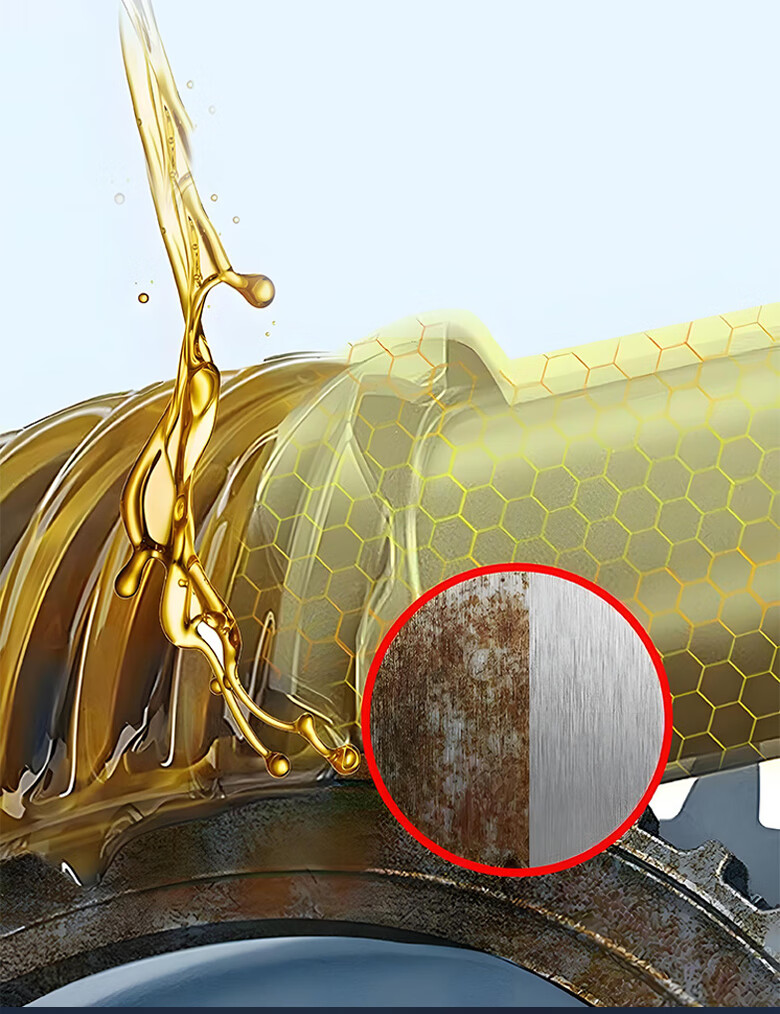
Modern car engines are made of a variety of metals, including aluminum, cast iron, copper, and steel. When water is used alone as a coolant, it can cause corrosion, rust, and scale buildup on these metal surfaces over time. Corrosion weakens the engine components, clogs the cooling system passages, and reduces the efficiency of heat transfer. Coolant contains corrosion inhibitors-chemical additives that form a protective layer on the metal surfaces, preventing oxidation and rust. These inhibitors also neutralize acidic byproducts that form during engine operation, further protecting the cooling system from damage. Without this protection, the engine's water pump, radiator, and heater core would degrade quickly, leading to costly repairs.
Antifreeze Properties for Cold Weather
Another critical function of coolant is its ability to prevent freezing in cold temperatures. Water freezes at 32°F (0°C), and if water alone were used in the cooling system, it would expand when it freezes, cracking the engine block, radiator, and hoses. Coolant contains ethylene glycol or propylene glycol, which lower the freezing point of the mixture. For example, a 50/50 mixture of coolant and water freezes at approximately -34°F (-37°C), making it suitable for even the coldest climates. This antifreeze property ensures that the cooling system remains functional year-round, preventing catastrophic damage during winter months. Additionally, coolant raises the boiling point of the mixture, allowing it to absorb more heat before boiling, which is particularly important in hot weather or during heavy engine load.
Different Types of Coolant and Their Applications
Ethylene Glycol vs. Propylene Glycol Coolants
The two main types of coolant are ethylene glycol-based and propylene glycol-based. Ethylene glycol is the most common type, known for its excellent heat transfer properties and low freezing point. It is used in most conventional vehicles and provides strong corrosion protection. However, ethylene glycol is toxic if ingested, making it a hazard for pets and children. Propylene glycol-based coolant, on the other hand, is non-toxic, making it a safer alternative, especially in environments where there is a risk of accidental ingestion. It also has similar heat transfer and antifreeze properties but is slightly less efficient than ethylene glycol. Some vehicles, such as those used in food service or around animals, may require propylene glycol coolant for safety reasons.
OAT, HOAT, and IAT Coolants
Coolants are also classified by their additive packages: Inorganic Additive Technology (IAT), Organic Additive Technology (OAT), and Hybrid Organic Additive Technology (HOAT). IAT coolants are the traditional type, containing silicates and phosphates as corrosion inhibitors. They require frequent replacement, typically every 24,000 miles or two years. OAT coolants use organic acids as inhibitors, offering longer service life-up to 100,000 miles or five years. They are commonly used in modern vehicles, especially those with aluminum engines. HOAT coolants combine organic and inorganic additives, providing the benefits of both IAT and OAT coolants. They have a service life of around 50,000 to 100,000 miles and are used in many European and Asian vehicles. It is important to use the type of coolant recommended by the vehicle manufacturer to ensure compatibility and optimal performance.

The Importance of Coolant Maintenance
Proper maintenance of coolant is essential to ensure its effectiveness and protect the engine. Vehicle owners should regularly check the coolant level in the overflow tank, which is marked with "MIN" and "MAX" lines. If the level is below the "MIN" line, coolant should be added to bring it up to the "MAX" line. It is important to use the correct type of coolant for the vehicle, as mixing different types can reduce the effectiveness of the additives and cause corrosion. Additionally, the coolant should be checked for signs of contamination, such as a milky or rusty appearance, which indicates a possible leak or coolant breakdown. If contamination is found, the cooling system should be flushed and refilled with fresh coolant.
Coolant Flushing and Replacement
Over time, the additives in coolant break down, reducing their ability to protect against corrosion and freezing. For this reason, coolant must be flushed and replaced at regular intervals, as recommended by the vehicle manufacturer. The frequency of replacement varies depending on the type of coolant and the vehicle, but it typically ranges from 24,000 to 100,000 miles. Flushing the cooling system removes old coolant, rust, scale, and other contaminants, ensuring that the new coolant can function effectively. During the flushing process, the system is drained, flushed with clean water, and refilled with the correct mixture of coolant and water (usually 50/50). Neglecting to replace coolant can lead to corrosion, overheating, and premature engine failure.
Common Coolant Issues and Their Consequences
Coolant Leaks
One of the most common coolant issues is leaks in the cooling system. Leaks can occur in the hoses, radiator, water pump, thermostat housing, or cylinder head gasket. A small leak may cause the coolant level to drop gradually, while a large leak can lead to rapid coolant loss and immediate engine overheating. Signs of a coolant leak include puddles of bright green, orange, or pink fluid under the car, a sweet smell from the engine, or steam coming from the hood. If a leak is detected, it should be repaired immediately to prevent engine damage. Ignoring a coolant leak can result in overheating, which can warp the cylinder head or blow the head gasket, leading to expensive repairs.
Coolant Contamination and Degradation
Coolant can become contaminated with oil, dirt, or air, which reduces its effectiveness. Oil in the coolant can indicate a blown head gasket, which allows engine oil to mix with the coolant. This creates a milky, frothy substance that cannot transfer heat properly and can cause corrosion. Dirt and debris can clog the cooling system passages, restricting coolant flow and leading to overheating. Air bubbles in the coolant can also reduce heat transfer efficiency and cause cavitation, which damages the water pump and other components. Regular coolant checks and flushes can help prevent contamination and ensure that the coolant remains in good condition.
Coolant's Impact on Overall Vehicle Performance
The performance of a car's engine is directly linked to the effectiveness of its coolant. A well-maintained cooling system with proper coolant ensures that the engine operates at its optimal temperature, which improves fuel efficiency, reduces emissions, and extends engine life. When the engine is too hot, it burns fuel less efficiently, leading to higher fuel consumption and increased emissions. Additionally, overheating can cause the engine to lose power, making acceleration and hill climbing more difficult. On the other hand, if the engine is too cold (due to a malfunctioning thermostat or insufficient coolant), it will take longer to reach operating temperature, increasing wear on engine components and reducing fuel efficiency. Coolant, therefore, plays a vital role in balancing engine temperature and maximizing overall vehicle performance.