

Common Mistakes to Avoid When Using Gold Cleaner
While gold cleaners are designed to be safe and effective, using them incorrectly can damage your gold items, leading to scratches, discoloration, or even permanent harm. Many people make simple mistakes that undermine their cleaning efforts, often due to misinformation or rushing the process. By avoiding these common pitfalls, you can ensure that your gold cleaner restores shine without causing damage, keeping your gold looking beautiful for years to come. From using the wrong cleaner to over-soaking or scrubbing too hard, these mistakes are easy to avoid with a little knowledge and care.
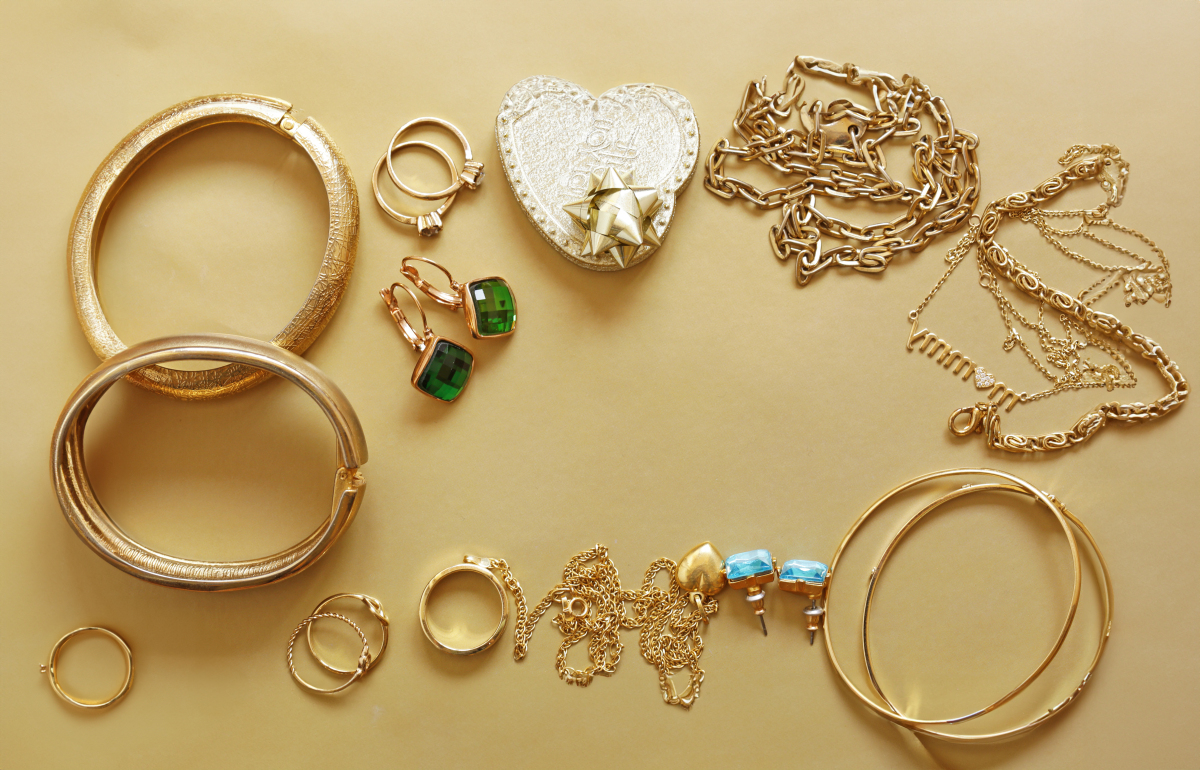
Using the Wrong Type of Gold Cleaner
One of the most common mistakes is using a gold cleaner that is not suitable for your specific type of gold. For example, using a harsh liquid cleaner designed for solid gold on a gold-plated item can strip the thin gold layer, leaving the base metal exposed. Similarly, using an ultrasonic cleaner on gold-plated items or pieces with fragile gemstones can cause irreversible damage. Always check the label of the gold cleaner to ensure it is compatible with your gold-look for products labeled "safe for gold-plated," "safe for gemstones," or "for all gold types" if you are unsure. Homemade cleaners should also be used with caution; avoid acidic ingredients like vinegar or lemon juice, which can corrode gold alloys and damage finishes.
Over-Soaking or Scrubbing Too Hard
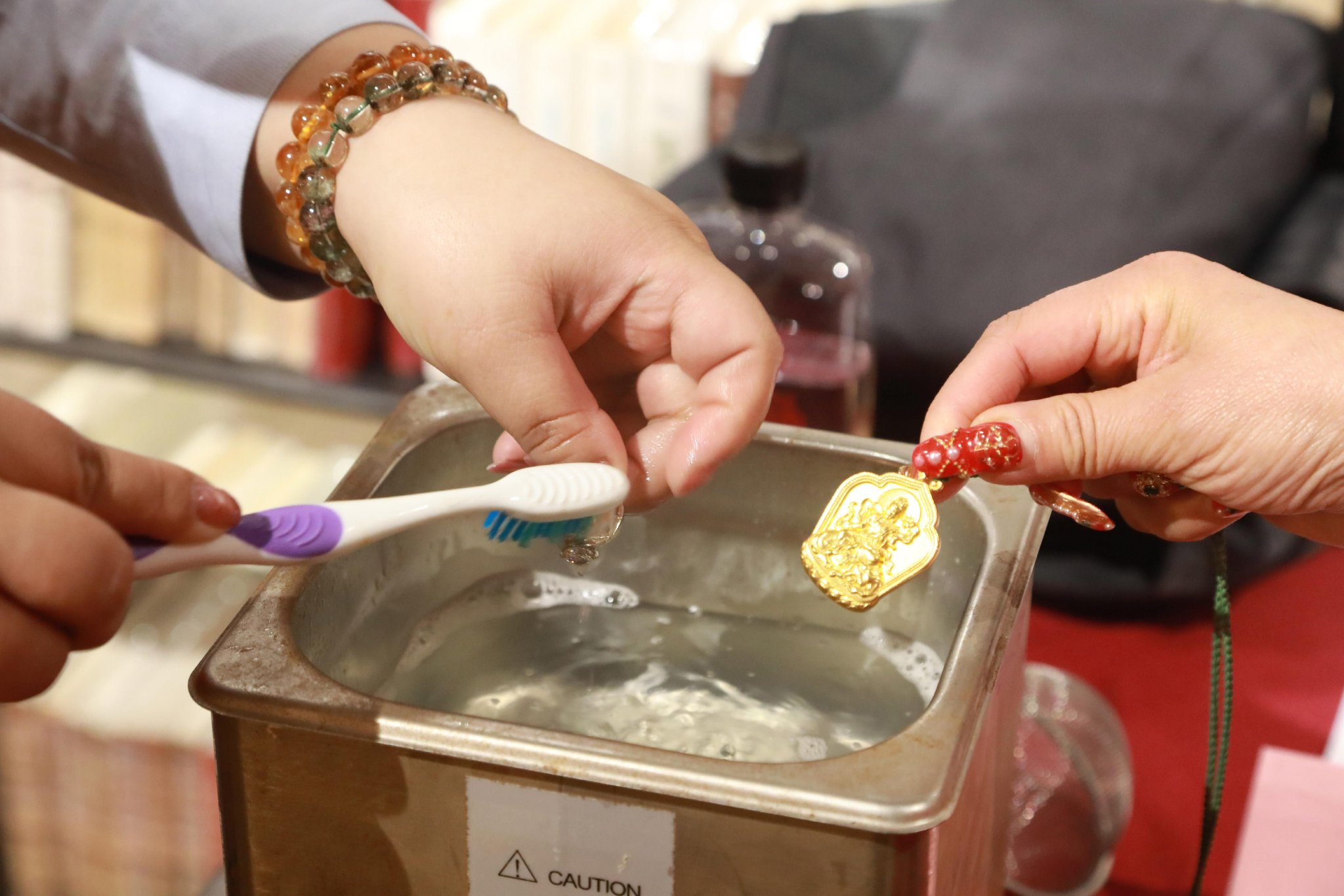
Over-soaking gold items in liquid cleaner can damage the metal, especially gold-plated pieces or those with delicate settings. Most liquid gold cleaners recommend soaking for 5–10 minutes-any longer than that can cause the cleaner to break down the gold's finish or weaken the glue holding gemstones in place. Similarly, scrubbing too hard with a stiff brush can scratch the gold's surface, creating tiny grooves that trap dirt and make the gold look dull over time. Always use a soft-bristled brush (like a clean toothbrush) and apply light pressure when scrubbing, focusing on lifting residue rather than scrubbing the surface aggressively. For intricate details, use the tip of the brush to avoid scratching delicate areas.
Neglecting to Rinse and Dry Properly
After using a liquid gold cleaner, it's crucial to rinse the gold thoroughly with warm water to remove all traces of the cleaner. Residue left on the surface can attract dirt and oils, causing the gold to dull again quickly. Additionally, air-drying gold items can lead to water spots or oxidation, especially for non-pure gold alloys. Always pat the gold dry with a clean, lint-free microfiber cloth immediately after rinsing-avoid using paper towels, as they can scratch the surface. For items with crevices, use a soft cloth or a small brush to dry hard-to-reach areas, ensuring no moisture is left behind. Proper drying not only preserves the shine but also prevents long-term damage from moisture buildup.

Using Abrasive Materials or Harsh Chemicals
Another common mistake is using abrasive materials or harsh chemicals alongside gold cleaner, which can scratch or corrode the gold. Avoid using toothpaste, baking soda, steel wool, or rough cloths, as these are too abrasive and can damage the gold's surface. Similarly, do not mix gold cleaner with other cleaning products (like bleach or ammonia), as this can create harmful chemical reactions that damage the gold and pose a safety risk. Even some homemade cleaners, like those containing baking soda or vinegar, can be too harsh for gold-stick to mild dish soap and warm water for homemade solutions, and avoid using them on gold-plated or delicate items. Remember that gold is a soft metal, and gentle care is key to maintaining its shine and integrity.
Maintaining Gold's Shine: How to Extend the Effects of Gold Cleaner
Once you've used a gold cleaner to restore your gold's shine, taking a few simple steps to maintain it will extend the time between cleanings and keep your gold looking bright and beautiful. Gold's shine fades over time due to everyday exposure, but with proper care, you can slow down this process and reduce the need for frequent cleaning. From storing your gold properly to avoiding contact with harsh substances, these simple habits will help preserve your gold's luster and ensure that the effects of your gold cleaner last as long as possible. With a little effort, you can keep your gold shining for years to come.
First, remove your gold jewelry before engaging in activities that can expose it to harsh substances or damage. This includes swimming (chlorine in pools can corrode gold alloys), showering (shampoo and soap can leave a film), and applying lotions, perfumes, or makeup (these products can build up on the gold's surface). Put your gold jewelry on last when getting ready, after applying all personal care products, to minimize contact with chemicals. Second, store your gold in a soft, dry place, such as a jewelry box lined with felt or a sealed plastic bag. This prevents scratches from other jewelry and protects against moisture and environmental pollutants. For gold-plated items, store them separately to avoid rubbing against other metals, which can wear away the plating. Finally, perform regular touch-ups with a gold polishing cloth to remove surface dirt and maintain shine between deep cleanings. A quick wipe once a week can go a long way in keeping your gold looking its best, reducing the need for frequent deep cleaning with liquid or ultrasonic cleaners.
Choosing the Best Gold Cleaner: Key Factors to Consider
With so many gold cleaners available on the market, choosing the right one can be overwhelming. To ensure you select a product that is safe, effective, and suitable for your gold items, consider a few key factors before making a purchase. The best gold cleaner for you will depend on your specific needs, including the type of gold you own, the level of dullness, and whether you prefer a commercial product or a homemade solution. By focusing on these factors, you can find a gold cleaner that restores shine without damaging your gold, making the cleaning process simple and effective.
First, consider the type of gold you are cleaning. If you have gold-plated items, choose a gentle, non-abrasive cleaner labeled safe for plated gold-avoid harsh liquids or ultrasonic cleaners, which can damage the thin gold layer. For solid gold items, you can use a more powerful liquid cleaner or an ultrasonic machine, depending on the level of buildup. Second, check if the cleaner is safe for any gemstones or delicate details on your gold item. Many gold cleaners are safe for hard gemstones like diamonds and sapphires but can damage fragile stones like pearls, opals, or emeralds-look for products labeled "safe for gemstones" or avoid using liquid cleaners on items with fragile stones. Third, consider convenience: if you need quick touch-ups, a polishing cloth is ideal; if you have multiple items or heavy buildup, a liquid cleaner or ultrasonic machine may be more efficient. Finally, read reviews and choose a reputable brand-look for products with positive feedback about effectiveness and safety, and avoid cheap, unbranded cleaners that may contain harsh chemicals. By taking these factors into account, you can choose a gold cleaner that meets your needs and keeps your gold shining bright.