

The Rise of Citric Acid in Descaling
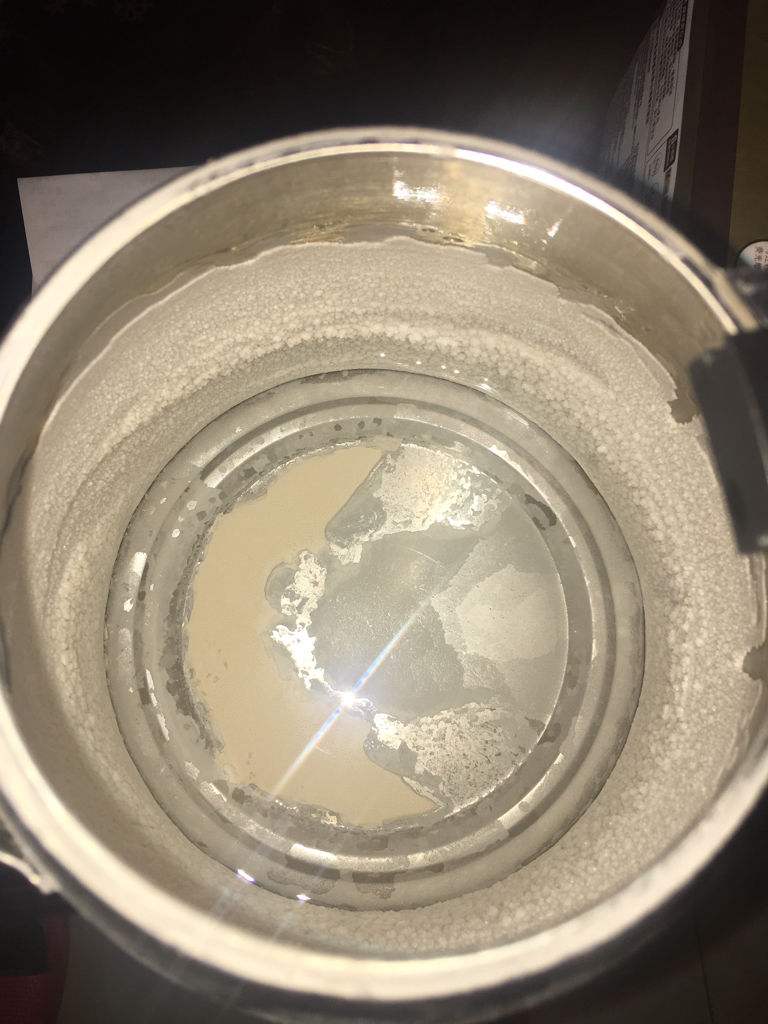
In households worldwide, limescale buildup-those unsightly white, crusty deposits that cling to faucets, line the insides of kettles, and clog the components of various water-using appliances-has long been a frustrating and persistent issue. Limescale, which is primarily composed of calcium carbonate and magnesium carbonate, forms as a byproduct of hard water: when hard water is heated, boiled, or left to evaporate, the dissolved minerals in it precipitate out and adhere to surfaces. While a wide range of commercial descalers are readily available on store shelves, an increasing number of people are turning to natural, non-toxic alternatives in their homes, and citric acid has emerged as a standout, widely trusted choice. But the fundamental question remains: Can citric acid truly serve as an effective, reliable descaler? The short answer is a resounding yes, and its impressive effectiveness, inherent safety, and budget-friendly nature combine to make it a superior option for tackling limescale in many common cleaning tasks around the house.

Why Citric Acid Works: The Science Behind Descaling
The Chemical Reaction That Breaks Down Limescale
Citric acid is a weak organic acid that occurs naturally in abundance in citrus fruits such as lemons, oranges, grapefruits, and limes-hence its name. Its remarkable descaling power stems from its unique chemical properties, specifically its ability to interact and react with the mineral compounds that make up limescale. Calcium carbonate and magnesium carbonate, the main components of limescale, are alkaline substances, and when these alkaline minerals come into direct contact with the acidic citric acid, a chemical process known as neutralization takes place. This neutralization reaction effectively transforms the hard, insoluble mineral deposits into soluble citrate salts-substances that dissolve easily in water and can then be effortlessly rinsed away without leaving behind residue. Unlike harsh chemical descalers that rely on potent, corrosive acids (such as hydrochloric acid or sulfuric acid), citric acid's mild, organic composition ensures it breaks down limescale thoroughly while avoiding the corrosion or damage that often plagues delicate surfaces.
Advantages Over Other Descalers
When compared to conventional commercial descalers, citric acid offers a host of compelling advantages that set it apart. First and foremost, it is entirely non-toxic and food-safe, a critical benefit for appliances that come into direct contact with food or drinking water, such as electric kettles, drip coffee makers, espresso machines, and dishwashers-there's no risk of harmful chemical contamination seeping into your meals or beverages. Second, it is exceptionally environmentally friendly: citric acid is fully biodegradable, meaning it breaks down naturally in water systems and does not pose a threat to aquatic life when washed down the drain, unlike some synthetic descalers that contain persistent chemicals. Third, it is highly cost-effective: a small container of citric acid powder is affordable, and only a tiny amount is needed for most descaling tasks, making it far more economical than pricey branded descalers. Finally, it leaves behind no strong, unpleasant chemical odor-unlike many commercial products that emit harsh, irritating fumes that can linger in kitchens and bathrooms for hours.

How to Use Citric Acid as a Descaler
For Small Appliances (Kettles, Coffee Makers, Toasters)
Kettles are among the most common victims of limescale buildup, as their primary function-boiling water-creates the perfect conditions for mineral deposits to form. To effectively descale a kettle, start by filling it roughly halfway with cold tap water, then add 2–3 tablespoons of citric acid powder (adjusting slightly based on the size of the kettle and the severity of the limescale). Stir the mixture gently to ensure the powder dissolves as much as possible. Next, bring the solution to a rolling boil, then immediately turn off the heat and let the hot mixture sit undisturbed for 30–60 minutes.
The heat will amplify the citric acid's effectiveness, breaking down even stubborn limescale deposits. Once the soaking time is up, empty the kettle and rinse it thoroughly with several rounds of cold water to remove any remaining citrate salts or loose mineral particles. For coffee makers, the process is similarly straightforward: mix 1 tablespoon of citric acid with 4 cups of water, pour the solution into the water reservoir, and run a full brewing cycle without any coffee grounds. After the cycle completes, run two additional cycles with plain water to ensure all traces of citric acid are removed, preventing any impact on the taste of future brews.
For Bathroom Fixtures (Faucets, Showerheads, Tubs)
Bathroom fixtures like faucets, showerheads, and tubs are constantly exposed to water, making them prime targets for limescale, which can restrict water flow and dull their appearance. For faucets and showerheads with moderate limescale, create a thick paste by mixing citric acid powder with just enough water to form a spreadable consistency-think toothpaste or cake batter. Using a soft cloth or sponge, apply the paste generously to the affected areas, focusing on the small openings of faucets and showerheads where deposits tend to clog. Let the paste sit undisturbed for 15–20 minutes to allow the acid to work its magic on the mineral deposits. After soaking, use a soft-bristled brush (a toothbrush works well for small crevices) to gently scrub away any remaining limescale, then rinse the fixture thoroughly with warm water. For showerheads with heavy, long-standing buildup, it's often more effective to remove the showerhead entirely (check your model's instructions for how to do this safely) and soak it in a solution of 1 cup water and 2 tablespoons of citric acid for 1–2 hours. For tubs and sinks, a simple citric acid solution (1 tablespoon of powder per cup of water) can be sprayed or wiped onto surfaces; let it sit for 10 minutes, then wipe clean with a damp cloth and rinse to prevent limescale accumulation before it becomes a problem.
For Dishwashers
Dishwashers rely heavily on hot water to clean and sanitize dishes, which means their internal components-including pipes, spray arms, and heating elements-are particularly prone to limescale buildup. Over time, this buildup can reduce the appliance's efficiency, leaving dishes less clean and increasing energy consumption. To descale a dishwasher effectively, start by emptying it completely, removing any dishes, silverware, or racks to ensure the citric acid solution can reach all internal surfaces. Next, place 2–3 tablespoons of citric acid powder directly into the detergent compartment (avoid using detergent at the same time). Then, select the hottest water setting and run the longest cycle available-this extended exposure to hot water maximizes the citric acid's ability to dissolve limescale. The citric acid will not only break down mineral deposits but also help eliminate any lingering food odors that may have accumulated in the appliance. For optimal performance and to prevent future buildup, it's recommended to repeat this descaling process every 1–2 months, especially in regions with extremely hard water where limescale forms more rapidly.

What to Avoid
Surfaces That Should Not Be Treated with Citric Acid
While citric acid is generally safe and gentle for most household surfaces, there are a few key exceptions where it should never be used. Uncoated aluminum is one such surface: the acid can react chemically with the pure aluminum, causing unsightly discoloration, pitting, or even corrosion that weakens the metal over time. Similarly, natural stone surfaces like marble, granite, travertine, or limestone should be avoided, as the acidic nature of citric acid can etch the stone's porous surface, dull its finish, and leave permanent marks that are difficult to repair. Brass and copper fixtures, while often durable, may also tarnish or lose their shine if exposed to citric acid for extended periods, so it's always wise to test a small, inconspicuous area (such as the bottom of a brass faucet) first to check for adverse reactions. Additionally, it's crucial to always consult the manufacturer's instructions for any appliances before using citric acid as a descaler, as some specialized or delicate equipment may have specific cleaning requirements.
Proper Concentration and Safety Tips
Using the correct concentration of citric acid is essential to achieving effective descaling results without causing unnecessary damage to surfaces or appliances. For most everyday descaling tasks, a solution of 1–3 tablespoons of citric acid powder per cup of water strikes the perfect balance between strength and gentleness. It's important to avoid using overly concentrated solutions-more acid doesn't equate to better results, and it may end up being unnecessarily harsh, potentially irritating sensitive skin or eyes if contact occurs. When handling citric acid powder, those with sensitive skin should wear a pair of disposable gloves to prevent dryness or mild irritation, and it's also wise to avoid inhaling the fine powder, as it can cause temporary discomfort in the nasal passages or throat. If the citric acid solution accidentally comes into contact with your eyes, immediately flush the affected eye with plenty of cool, running water for at least 15 minutes and seek medical attention if irritation persists. For storage, keep citric acid in a tightly sealed container in a cool, dry place, well out of the reach of young children and pets to prevent accidental ingestion.
Comparing Citric Acid to Other Natural Descalers
Citric Acid vs. Vinegar
Vinegar, particularly white distilled vinegar, is another widely used natural descaler, but citric acid often outperforms it in several key areas. One of the primary advantages is acidity level: citric acid has a lower pH (around 2.2) compared to vinegar, which typically ranges from 2.4 to 3.4 on the pH scale. A lower pH indicates higher acidity, making citric acid more effective at breaking down tough, long-standing limescale deposits that vinegar may struggle to dissolve. Additionally, citric acid leaves behind no strong, lingering vinegar odor-a major benefit for appliances like coffee makers, kettles, and dishwashers, where even faint vinegar smells can transfer to food or beverages and alter their taste. Another key difference is surface compatibility: while vinegar can corrode certain metals (such as brass or uncoated steel) over repeated use, citric acid's milder organic composition is gentler on most common household surfaces, reducing the risk of damage while still delivering powerful descaling results.
Citric Acid vs. Lemon Juice
Lemon juice, like citric acid, contains natural citric acid, which means it can be used as a makeshift descaler in a pinch when powder isn't available. However, there are significant drawbacks that make lemon juice a less ideal choice than pure citric acid powder. The most notable issue is concentration: lemon juice typically contains only about 5–8% citric acid, whereas pure citric acid powder is nearly 99% concentrated. This vast difference means you would need to use a much larger quantity of lemon juice to achieve the same descaling effect as a small amount of powder-for example, a full cup of lemon juice might be required to match the power of 2 tablespoons of citric acid. This makes lemon juice far less cost-effective, especially for regular descaling tasks. Additionally, lemon juice contains natural sugars and oils from the fruit's pulp, which can leave a sticky, residue-like film on surfaces if not rinsed extremely thoroughly-a problem that pure citric acid powder avoids entirely.

Citric Acid-A Reliable, Natural Descaler
In direct answer to the question "Can I use citric acid as a descaler?" the evidence and practical experience are clear: citric acid is not only a viable, functional option but also one of the most effective and reliable natural descalers available for household use. Its unique ability to break down stubborn limescale through a safe, gentle chemical reaction-converting insoluble minerals into easily rinsable salts-sets it apart, and when combined with its inherent affordability, strong environmental credentials, and food-safe properties, it becomes a superior alternative to harsh commercial chemical descalers. By following the proper usage guidelines-using the correct concentration, targeting appropriate surfaces, and adhering to safety tips-you can keep your household appliances and fixtures free of unsightly, performance-hindering limescale without compromising the health of your family or the environment. Whether you're tackling a limescale-clogged kettle, a slow-running showerhead, or an inefficient dishwasher, citric acid consistently delivers reliable, effective results that make it a staple in any eco-friendly, practical cleaning routine.