

Copper Tarnishing and the Role of Sealing
Definition and Common Occurrence of Copper Tarnishing
Copper tarnishing refers to the chemical process where the surface of copper reacts with substances in its environment, such as oxygen, sulfur - containing compounds, and moisture. This reaction leads to the formation of a layer of corrosion products on the copper surface, changing its original shiny and metallic appearance to a dull or discolored one. In daily life, we often encounter tarnished copper items. For example, old copper coins may lose their luster and develop a dark - brown or greenish - black patina over time. Copper pipes in some households may also show signs of discoloration due to long - term exposure to water and the substances dissolved in it. Copper jewelry, when not properly stored, can quickly become dull and tarnished, which is a common concern for those who own such items. The commonness of copper tarnishing has led many to seek ways to prevent it, and one such method that often comes to mind is sealing the copper.
Purpose of the Article
The aim of this article is to comprehensively explore whether sealing copper can prevent it from tarnishing. We will delve into the scientific principles behind copper tarnishing and how sealing might or might not interrupt this process. Additionally, we will discuss the different methods of sealing copper, the types of materials that can be used for sealing, and the potential limitations and precautions associated with these methods. Whether you are a homeowner with copper - adorned fixtures, a collector of copper antiques, or an artist working with copper materials, understanding these aspects can help you better preserve the beauty and integrity of copper items, which is the core purpose of this in - depth exploration.

The Concept of Sealing Copper
What is Sealing in the Context of Copper
In the context of copper protection, sealing refers to the process of creating a barrier layer on the surface of copper. This barrier can be achieved through various means, such as applying a coating, wax, or a specialized sealant. For instance, a thin layer of clear lacquer can be sprayed onto a copper vase. This layer adheres firmly to the copper surface, acting as a physical separator. Another example is using a beeswax - based product on copper utensils. The wax is rubbed onto the surface, filling in any microscopic pores or irregularities, and forming a continuous film. In essence, sealing is about creating a protective envelope around the copper to shield it from external elements.
How Sealing is Supposed to Prevent Tarnishing
Sealing works to prevent tarnishing by isolating copper from the substances that cause it to tarnish. Oxygen is a major culprit in the tarnishing process, as it reacts with copper to form copper oxides. By sealing the copper, the amount of oxygen that can reach the copper surface is significantly reduced. Water is another key factor. When water is present, it can accelerate the electrochemical reactions that lead to tarnishing and the formation of copper salts like copper carbonate. A sealed surface prevents water from coming into direct contact with the copper. Similarly, sulfur - containing compounds in the air, which can cause the formation of black copper sulfides, are blocked from reacting with the copper due to the seal. Overall, the seal acts as a shield, interrupting the chemical reactions that result in tarnishing and thus maintaining the original appearance of the copper for a longer period.

Methods of Sealing Copper
Other Physical Barrier Methods
Wax Coating
Wax coating is a straightforward and accessible method for sealing copper. Beeswax or carnauba wax can be used. To apply, first ensure the copper surface is clean and dry. Then, heat the wax slightly until it becomes soft and malleable. Using a soft cloth or brush, gently rub the wax onto the copper surface in circular motions. This evenly distributes the wax, creating a thin, protective film.
One of the main advantages of wax coating is its simplicity. It doesn't require any specialized equipment or complex techniques. Moreover, wax can enhance the natural luster of copper, giving it a warm, attractive shine. However, wax coatings are relatively soft and can be easily scratched or damaged. They may also need to be reapplied more frequently, especially if the copper item is frequently handled or exposed to harsh conditions.
Using Plastic Films or Coatings
Plastic films and coatings offer another way to protect copper. Heat - shrink films are a popular choice. These films are made of materials like polyolefin. To use a heat - shrink film, cut a piece of the film slightly larger than the copper object. Wrap the film around the copper, and then use a heat gun to gently heat the film. As the film heats up, it shrinks tightly around the copper, forming a snug and protective barrier.
Specialized plastic coatings can also be applied to copper. For example, some clear plastic lacquers designed for metal surfaces can be sprayed or brushed onto copper. These coatings provide a durable and transparent layer that shields the copper from tarnishing agents. They are often more resistant to scratches and abrasions compared to wax coatings. However, the application of plastic coatings may require proper ventilation and safety precautions, especially when using spray - on products, due to the release of volatile organic compounds (VOCs) during the application process.

Benefits of Sealing Copper to Avoid Tarnishing
Aesthetic Preservation
One of the most apparent benefits of sealing copper is the preservation of its aesthetic appeal. When copper tarnishes, it loses its bright, shiny metallic luster. For instance, a newly - made copper vase has a warm, coppery glow that adds a touch of elegance to any room. However, without sealing, over time, it will develop a dull and often unattractive patina. This discoloration can be a significant drawback, especially for decorative copper items like art pieces, jewelry, or household fixtures. By sealing the copper, the sealant acts as a shield, preventing the chemical reactions that lead to tarnishing. As a result, the copper maintains its original, beautiful appearance, continuing to enhance the visual charm of the object it adorns for an extended period.
Prolonged Lifespan
Sealing copper also contributes to a longer lifespan of copper items. Tarnishing is not just a cosmetic issue; it is a sign of corrosion. As copper reacts with oxygen, water, and other substances in the air, the formation of copper oxides and other salts weakens the metal over time. In the case of copper pipes, if they are left unsealed and start to tarnish, the corrosion can lead to leaks and structural damage. For copper - based machinery parts, tarnishing can cause wear and tear, reducing the efficiency and functionality of the equipment. By applying a sealant, the copper is protected from these corrosive agents. This protection minimizes the damage caused by tarnishing, allowing copper items to last much longer. In the long run, this not only saves the cost of replacing copper items frequently but also reduces waste, making it an environmentally and economically beneficial practice.

Sealing Copper for Long-Lasting Shine
Recap of Key Points
In summary, sealing copper is a viable option to prevent it from tarnishing. Copper tarnishing occurs due to reactions with oxygen, water, sulfur - containing compounds, and other substances in the environment. Sealing creates a physical barrier that inhibits these reactions by reducing the contact between copper and the tarnishing agents.
There are multiple methods of sealing copper, such as applying chemical sealants like lacquers and varnishes, which provide a durable and clear protective layer. Electroplating can also add a protective metal layer on the copper surface. Physical barrier methods include wax coatings, which are easy to apply but less durable, and plastic films or coatings, which offer more scratch - resistance but require careful application.
The benefits of sealing copper are significant. It preserves the aesthetic appeal of copper items, maintaining their shiny and metallic appearance. Moreover, it extends the lifespan of copper products by protecting them from corrosion, which not only saves costs but also reduces environmental waste. However, it's important to note that each sealing method has its limitations, such as the need for re - application over time for some coatings and potential chemical reactions between the sealant and copper in certain cases.
Final Thoughts on Sealing Copper for Tarnish Prevention
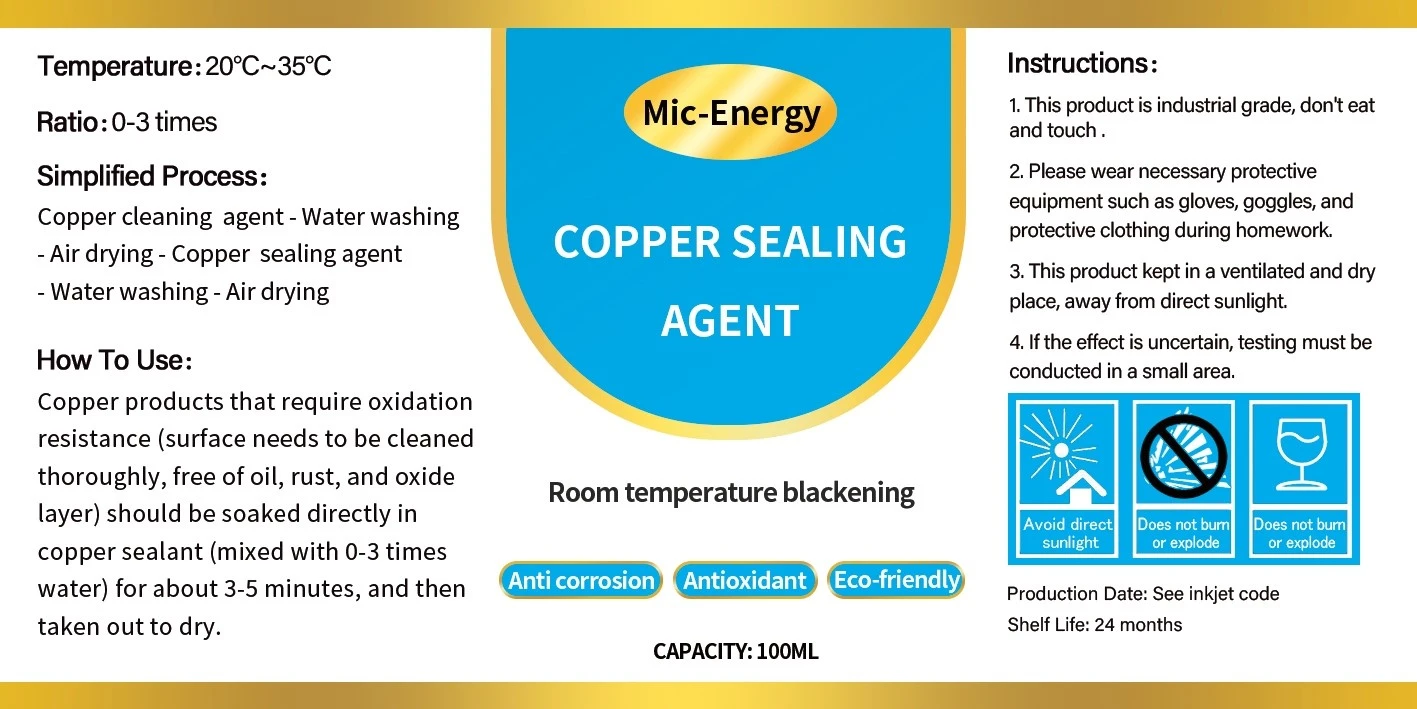
Overall, sealing copper is an effective way to prevent tarnishing. Whether you are dealing with decorative copper art, functional copper pipes, or valuable copper antiques, choosing the right sealing method and material is crucial. Consider the specific environment where the copper item will be placed, its usage frequency, and your aesthetic preferences. For items in high - humidity or polluted environments, more durable and chemical - resistant sealants may be required. Regular inspection and maintenance of the sealed copper surface are also necessary to ensure the continued effectiveness of the seal. By taking these factors into account, you can make the most of sealing to keep your copper items looking their best and functioning well for years to come.