

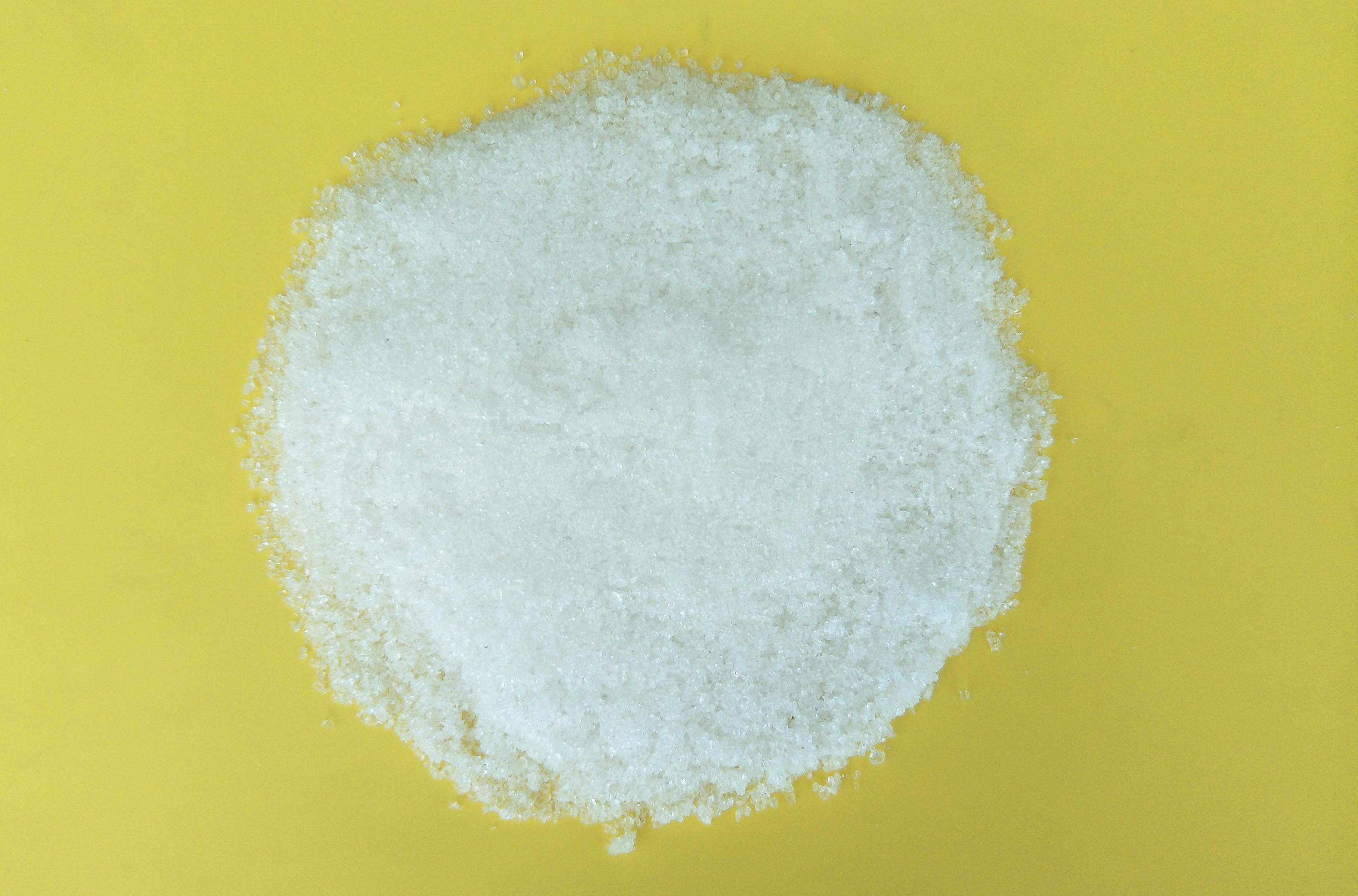
Calcium nitrate, with the chemical formula Ca(NO₃)₂, is a compound that is widely used in various industries. As with any chemical substance, questions about its safety for human exposure and consumption naturally arise.

Industrial and Agricultural Uses
In agriculture, calcium nitrate is highly valued as a fertilizer. It provides plants with two essential nutrients: calcium and nitrogen. Calcium is crucial for cell wall structure and stability in plants, enhancing their resistance to diseases and improving fruit quality. Nitrogen, on the other hand, is a key component for plant growth, promoting leafy green growth. In industrial applications, it is used in the manufacturing of concrete additives to accelerate the setting process and improve the strength of concrete structures. It is also involved in the production of certain explosives and in the treatment of wastewater to remove impurities.
Routes of Human Exposure
Ingestion
Accidental ingestion of calcium nitrate can occur, especially in cases where it is not properly stored away from food items. If a small amount is ingested, the body may initially react with symptoms such as nausea, vomiting, and abdominal pain. In larger quantities, it can be more serious. The nitrate part of calcium nitrate can be converted to nitrite in the body. Nitrites can react with hemoglobin in the blood, forming methemoglobin, which reduces the blood's ability to carry oxygen. This condition, known as methemoglobinemia, can be life - threatening, particularly in infants and young children.
Dermal Contact
When calcium nitrate comes into contact with the skin, it can cause irritation. Prolonged or repeated contact may lead to redness, itching, and in severe cases, chemical burns. Workers handling calcium nitrate in industrial or agricultural settings are at risk if they do not wear appropriate protective clothing, such as gloves and coveralls.
Inhalation
Inhalation of calcium nitrate dust or fumes, which can occur during its handling in industrial processes like mixing in fertilizer production or concrete manufacturing, can irritate the respiratory tract. Symptoms may include coughing, shortness of breath, and irritation of the nasal passages. Long - term exposure to high levels of inhaled calcium nitrate may potentially increase the risk of developing respiratory diseases.
Regulatory Measures and Safety Precautions
To ensure human safety, regulatory bodies around the world have set limits on the use and exposure levels of calcium nitrate. In the European Union, for example, strict regulations govern its use in fertilizers to prevent excessive nitrate runoff into water sources, which could potentially contaminate drinking water supplies. In the workplace, employers are required to provide safety training to workers handling calcium nitrate. This includes instructions on proper storage, handling, and the use of personal protective equipment.
Research and Case Studies
Numerous studies have been conducted to assess the impact of calcium nitrate on human health. Animal studies have been particularly useful in understanding the long - term effects of nitrate exposure. For instance, some studies on laboratory animals have shown that high - dose nitrate exposure can lead to reproductive and developmental issues. In humans, case reports of accidental calcium nitrate poisoning have been documented. These cases highlight the importance of proper handling and storage of the compound to prevent human exposure.
In conclusion, calcium nitrate is not entirely safe for humans. While it has many beneficial uses in agriculture and industry, proper precautions must be taken to minimize human exposure. Through strict regulatory measures, safety training, and the use of appropriate protective equipment, the risks associated with calcium nitrate can be effectively managed, allowing for its continued use while safeguarding human health.