

Introduction to Blackening Agents
Definition and Core Function
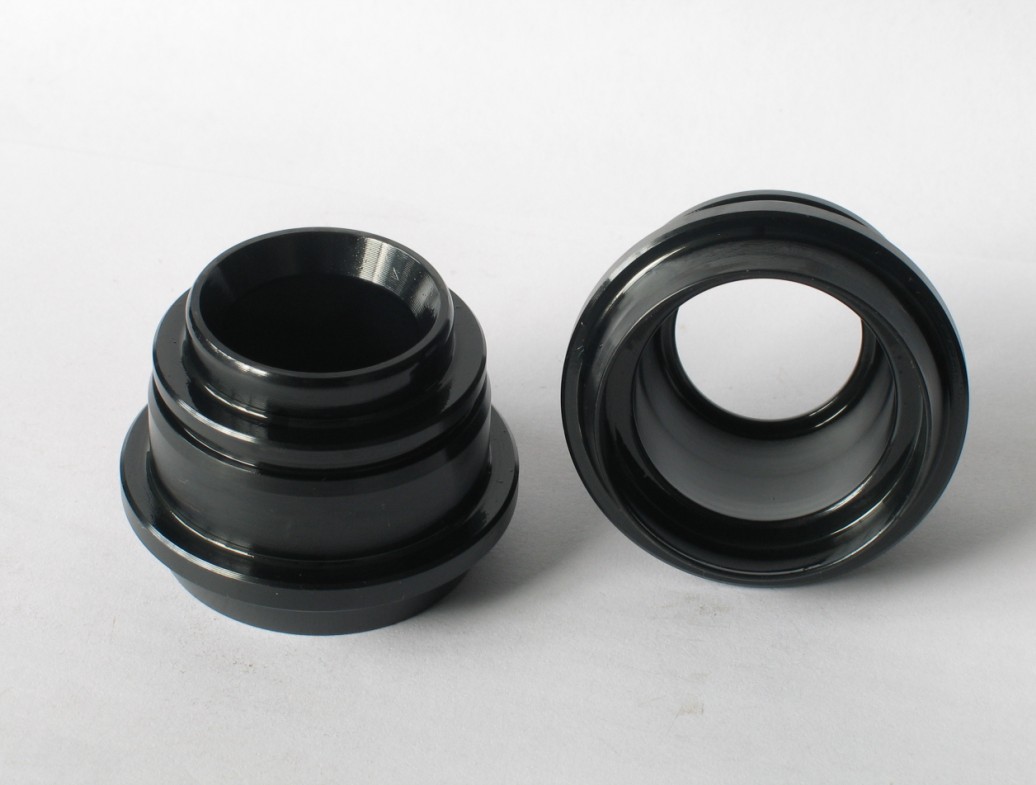
A blackening agent is a specialized substance applied to metal surfaces to create a protective black oxide layer. This layer serves two primary purposes: enhancing corrosion resistance and improving the aesthetic appearance of the metal. By forming a chemical bond with the metal surface, the black oxide film acts as a barrier against environmental factors that cause rust and degradation, while also providing a uniform, sleek black finish.
Significance in Metal Processing
In the field of metal processing, blackening agents play a crucial role in extending the lifespan of metal components. They offer a cost-effective alternative to other surface treatments, such as plating or painting, while still delivering reliable protection. From industrial machinery to decorative hardware, blackening agents are widely used across various sectors to ensure metal products maintain their integrity and appearance over time.
Understanding the Science Behind Blackening Agents
Chemical Composition
The main ingredients of blackening agents typically include weakly acidic compounds, sodium hydroxide, sodium nitrite, and copper sulfate. For steel blackening agents specifically, the composition may involve copper sulfate pentahydrate, potassium pyrophosphate, nickel sulfate tetrahydrate, ammonium molybdate, alkylphenol polyoxyethylene ether (OP-10), composite additives, and an appropriate amount of water to enable room-temperature blackening.
Notably, there are also blackening agents available that do not contain carcinogens like nitrites. These formulations use copper sulfate as the main salt, combined with oxidants, penetrating agents, and stabilizers, with a pH value adjusted between 1 and 2. Such agents are easy to use, have a long validity period, can be reused, and their residual liquid can be recycled, making them more environmentally friendly.
Working Principle
The principle of blackening agents lies in forming a black oxide film on the metal surface through chemical treatment. This process involves a series of chemical reactions between the components of the blackening agent and the metal surface, usually at a specific temperature.
Chemical Reaction: For iron-containing metals, ferrous ions (Fe) react with sodium hydroxide (NaOH) and oxidants (such as sodium nitrite NaNO2 or sodium nitrate NaNO3) to produce sodium ferrite (Na2FeO2) and sodium ferrite (Na2Fe2O4), which then form ferric oxide (Fe3O4) – the black oxide layer.
Temperature Control: The temperature during blackening significantly affects the oxide film's formation and quality. Too high a temperature may result in a loose oxide film with poor color, while too low a temperature can lead to insufficient oxidation, a thin film, and reduced corrosion resistance.
Concentration Adjustment: The concentration of sodium hydroxide in the blackening agent directly impacts the working fluid's boiling point. By adjusting the NaOH concentration, the working temperature of the blackening fluid can be controlled, thereby influencing the oxide film's formation.
Blackening Process Steps
The blackening agent process consists of several key steps to ensure the oxide film's uniformity and quality:
Preliminary Cleaning: The metal surface is thoroughly cleaned to remove oils, rust, and other contaminants, which is essential for effective blackening.
Pickling: This step removes any remaining oxide layers or impurities, preparing the surface for the blackening reaction.
Blackening: The metal is immersed in or coated with the blackening agent, allowing the chemical reaction to form the black oxide layer.
Subsequent Cleaning: Residual blackening agent is removed from the surface to stop the reaction.
Saponification and Oil Immersion: These additional steps can enhance the oxide film's protective properties and improve its adhesion. The formed oxide film typically has a thickness of 0.5-1.5μm, bonds firmly with the base metal surface, and has minimal impact on the part's size and accuracy. It can also partially eliminate the workpiece's residual stress.

Types of Blackening Agents by Metal Type
Steel Blackening Agents
Steel is highly compatible with blackening agents, forming a strong, dark, and durable black oxide coating that enhances its natural toughness. Products such as "Best Blackening Agent for Steel" from Xing Tai Mic-Energy Technology CO., LTD are specifically formulated for steel surfaces. These agents offer features like strong adhesion, excellent corrosion resistance, and ease of use. The minimum order quantity (MOQ) for such products is 100ml, and free samples are available to check quality. They also come with MSDS certification and customizable labels.
Stainless Steel Blackening Agents
While stainless steel already has a passive chromium oxide layer providing corrosion resistance, specialized blackening agents can be used for aesthetic purposes. "Blackening Agent Stainless Steel" and "Heavy Duty Blackening Agent for Stainless Steel" are designed to create a black finish on stainless steel. However, it's important to note that black oxide on stainless steel is not as durable or long-lasting as other surface treatments like electropolishing or physical vapor deposition (PVD) coatings.
Using stainless steel blackening agents involves a specific process:
Preparation: Clean and dry the stainless steel surface to remove impurities and grease, and prepare special painting tools.
Painting: Apply the agent evenly, using horizontal, vertical, and diagonal alternating methods to ensure full coverage.
Waiting for Blackening: Allow 2 to 3 hours for the reaction, with the time varying based on ambient temperature and humidity.
Cleaning: Thoroughly clean the surface with water and wipe dry with a soft cloth to avoid scratches. Precautions include using the agent only on stainless steel, ensuring a clean surface before application, applying evenly, and maintaining stable environmental conditions during the reaction.
Aluminum Blackening Agents
"Highly Effective Blackening Agent for Aluminum" and "Good Aluminum Blackening Agent" are tailored for aluminum surfaces. These agents enable aluminum to achieve a sleek black finish while providing some level of corrosion protection. Like other metal blackening agents from the same manufacturer, they have an MOQ of 100ml, offer free samples, hold MSDS certification, and allow for custom labels. The blackening process for aluminum is optimized to handle the metal's unique properties, ensuring a uniform and durable coating.
Copper Blackening Agents
Copper and its alloys, such as brass and bronze, can also undergo blackening treatment. "Copper Metal Blackening Agent" and "Good Copper Blackening Agent" are formulated to react with copper surfaces, creating an elegant black luster. These agents are designed to work effectively on copper, brass, and bronze, providing a protective layer that enhances both appearance and corrosion resistance. The application process is straightforward, and the resulting finish is suitable for various applications, from decorative items to industrial components.
Blackening Agents for Other Metals
Iron: Iron adapts well to the blackening process, resulting in a stylish protective layer. The black oxide coating enhances its corrosion resistance and gives it a sleek appearance, suitable for both heavy-duty and decorative applications.
Zinc: A black oxide coating can be applied to zinc components to create an ebony finish, commonly used on hardware, auto parts, and decorative items.
Nickel: Nickel can receive black oxidation treatment, which enhances its natural luster and resistance, further improving durability and beauty.
Brass: Brass benefits from a protective black oxide layer that enhances its visual appeal and provides additional protection against corrosion and wear.

Advantages of High-Quality Blackening Agents
Strong Adhesion
The blackened workpiece treated with high-quality blackening agents exhibits excellent adhesion. Tests show that even after wiping the surface with experimental filter paper more than 500 times, the metal matrix remains unseen. This strong adhesion ensures the oxide film stays intact under various conditions, providing long-term protection.
Excellent Corrosion Resistance
Corrosion resistance is a key feature of top-tier blackening agents. The salt spray test of blackened workpieces can last up to 10 hours. In the sulfur-copper corrosion resistance test, while China's qualification standard is 30 seconds, high-quality blackening agents can last for 50 to 200 seconds, demonstrating significantly superior corrosion resistance.
Cost-Effectiveness
Less Sediment: High-quality blackening liquid has less sediment, approximately one-fifth of ordinary room-temperature blackening liquid, and no precipitation phenomenon, ensuring stable performance.
Large Processing Capacity: The use efficiency is high, with the blackening area per kilogram of blackening agent reaching about 12-15 square meters. In contrast, ordinary blackening liquid typically covers 3-7 square meters, with 9 square meters considered a good quality product. This higher processing capacity makes high-quality blackening agents more cost-effective, saving costs while ensuring quality.
Wide Adaptability
High-quality blackening agents can handle various metal types, including high carbon steel, low carbon steel, and difficult-to-process steel materials such as cast iron, 40 chromium, silicon steel, and powder metallurgy. After treatment, these metals achieve a pure color, fine film layer, and no floating black film layer.
Easy Operation
Ordinary blackening agents often have strict operating time restrictions; a longer blackening time can lead to overly dark or loose films, resulting in scrapping. This is because their blackened films are not fine enough and have poor adhesion, allowing the liquid to continue reacting with the metal matrix through the film, damaging it. In contrast, high-quality blackening agents have a wide time range, making them easier to operate without the risk of film damage due to extended processing time.
Application Scenarios of Blackening Agents
Industrial Machinery
Blackening agents are widely used in industrial machinery to protect metal components from corrosion, ensuring smooth operation and extending the machinery's service life. Components such as gears, shafts, and brackets benefit from the protective layer, reducing maintenance needs and downtime.
Automotive Parts
In the automotive industry, blackening agents are applied to various parts, including hardware and auto components made of zinc, steel, and other metals. The black oxide coating provides corrosion resistance, enhancing the parts' durability and appearance, which is crucial for both performance and aesthetics.
Hardware and Tools
Hand tools, faucets, and other hardware items often use blackening agents to improve their corrosion resistance and give them a professional, sleek look. The protective layer ensures these items withstand daily use and exposure to moisture and other environmental factors.
Military Equipment
Blackening is commonly used in military equipment for its low observability and corrosion resistance properties. It helps protect military components from harsh conditions, ensuring reliable performance in various operational environments.
Decorative Items
Metals used in decorative items, such as brass and copper ornaments, can be blackened to achieve an elegant, antique look. The black oxide layer enhances their visual appeal while providing a degree of protection against tarnishing.

Safety Precautions and Usage Tips
Safety Precautions
Protective Equipment: During operation, wear plastic gloves, masks, goggles, protective clothing, and other protective equipment to prevent the agent from irritating the skin and eyes.
Handling Chemicals: The production reaction of room-temperature blackening agents involves strong acids, strong alkalis, and ionic reactions, so extra care is needed to avoid accidents during operation.
Storage: Store blackening agents in a ventilated and dry place, away from direct sunlight, and keep them out of reach of children. Do not eat or touch the agent with bare hands.
Testing: Before large-scale use, test the agent in a small area to ensure no adverse reactions occur.
Usage Tips for Room Temperature Blackening Agents
For Parts with Thick Oxide Scale or Oil Stains: Use the process: Sand blasting → Water washing → Blackening at room temperature. Choose sealed or water-based sandblasting machines for environmental protection and clean production.
For Parts with Deep Holes, Blind Holes, or Complex Shapes: Use the process: Ultrasonic degreasing → Water washing → Rust removal and activation → Water washing → Blackening at room temperature.
For Parts with Little Oil Stain and No Thick Oxide Scale: Use the process: Wash with water → Rinse with water → Blacken at room temperature.
Special Note: The oil and rust removal process before using room-temperature blackening agents is critical. Ensure complete removal; if not ideal, repeat the process. When handling blackened workpieces, avoid vigorous rubbing as the film is not yet stable. The blackened layer typically becomes completely stable 48 hours after blackening.
6.3 Using Blackening Agents on Surfaces with Anti-Rust Paint
Prepare Tools: Gather blackening agent, detergent, brush, paper towel, gloves, etc.
Clean the Surface: Thoroughly clean the surface to remove attachments and grease.
Apply Blackening Agent: Use a brush or cleaning cloth to apply the agent evenly, avoiding overlaps.
Wipe the Surface: After 1-2 minutes of the agent's action, gently wipe the surface with a paper towel or cleaning cloth, avoiding excessive force.
Repeated Application: For a deeper blackening effect, reapply the agent.
Maintain the Surface: Protect the blackened surface from scratches or collisions, and consider using special coatings for additional protection.

About Mic-Energy
Company Overview
Mic-Energy is a leading manufacturer and supplier of blackening agents in China. The company is operated by a professional management team specializing in scientific research, safety production, quality control, and sales operations. It boasts highly automated production lines and international standard research and development facilities, emphasizing safety and environmental management in line with SHEQ standards (ISO9001/ISO14001/OHSAS18001).
Product Range
In addition to various blackening agents for different metals, the company offers a wide range of related products, including degreasers, metal cleaning agents, antirust agents, phosphating agents, silane agents, cutting solutions, and iron rusting agents. This comprehensive product line caters to various metal processing needs.
Customer Support
The company provides excellent customer support, offering free samples of blackening agents to allow customers to check quality before purchasing. With a sales team consisting of up to 30 professional elites, it delivers first-class, efficient service. Customers can wholesale bulk high-quality blackening agents in stock, with customizable labels and MSDS certification for all products.
The function of blackening agent
Blackening agents are essential in metal processing, providing a reliable and cost-effective way to enhance corrosion resistance and improve the appearance of various metals. From steel and stainless steel to copper and zinc, there are specialized blackening agents tailored to each metal type, offering unique benefits and application processes.
High-quality blackening agents, such as those provided byMic-Energy, stand out for their strong adhesion, excellent corrosion resistance, cost-effectiveness, wide adaptability, and ease of operation. By following proper safety precautions and usage tips, these agents can be effectively applied in numerous industries, including industrial machinery, automotive, hardware, military, and decorative sectors.
As a trusted manufacturer, Mic-Energy combines professional expertise, advanced production facilities, and a commitment to quality and safety, making it a top choice for those seeking reliable blackening agents. Whether for bulk orders or sample testing, the company's comprehensive product range and customer-focused approach ensure meeting diverse metal processing needs.